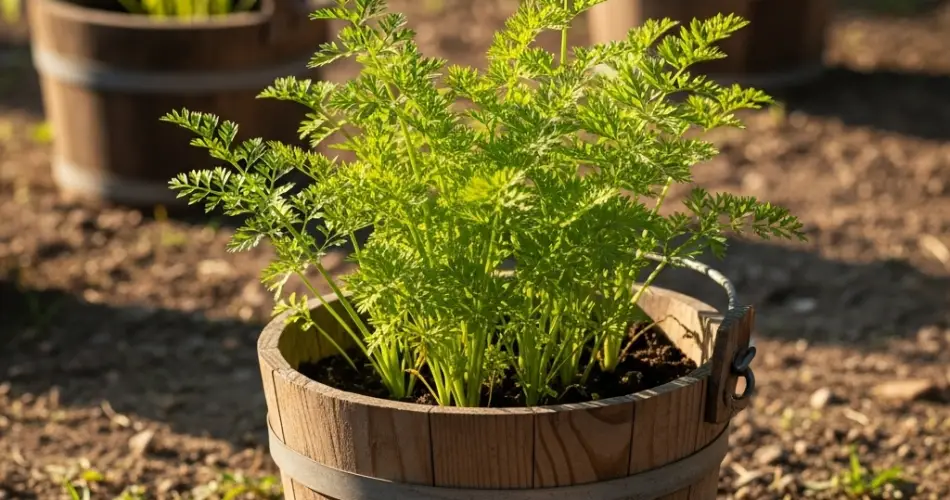
Carrots are a versatile and nutritious vegetable, packed with vitamins, minerals, and antioxidants. Their sweet, crisp flavor makes them a favorite for salads, cooking, juicing, and snacks. For gardeners with limited space, growing carrots in pots and buckets provides a practical solution for producing fresh, homegrown vegetables. Container gardening allows for better control over soil, drainage, and sunlight, ensuring healthy roots and a bountiful harvest. This guide offers step-by-step tips for successfully cultivating carrots in containers.
Why Container Gardening Works for Carrots
Carrots are ideal for container gardening because their roots grow vertically and require loose, well-draining soil. Using pots or buckets ensures that the soil remains friable and nutrient-rich, preventing misshapen or stunted roots. Containers also allow urban gardeners, balcony dwellers, or anyone with limited outdoor space to grow carrots conveniently. With proper care, container-grown carrots are often cleaner, sweeter, and more tender than those grown in compacted garden soil.
Choosing the Right Carrot Variety
Selecting the right variety is essential for container gardening. Carrots come in different shapes, sizes, and colors, including round, short, and long types. For pots and buckets, choose small to medium varieties such as “Paris Market,” “Thumbelina,” or “Napoli,” which are suitable for shallower containers and limited space. Shorter varieties are less likely to become deformed, and they grow faster, allowing for successive harvests throughout the season.
Selecting and Preparing Pots and Buckets
Choose containers that are at least 12 inches deep for long carrot varieties and 8–10 inches deep for shorter types. Wide containers are preferable when growing multiple plants in the same pot. Ensure proper drainage by drilling several holes at the bottom of the container. Adding a thin layer of gravel or small stones at the bottom enhances drainage and prevents waterlogging, which can damage roots. Clean the containers thoroughly before planting to reduce the risk of diseases.
Soil Preparation
Carrots require loose, well-draining, and nutrient-rich soil. Use a high-quality potting mix blended with compost or well-rotted organic matter to provide essential nutrients and improve soil structure. Avoid compacted or heavy garden soil, which can lead to misshapen roots. Adding perlite or sand helps improve aeration and prevents soil compaction. A slightly acidic to neutral pH of 6.0–7.0 is ideal for optimal carrot growth.
Planting Carrots in Containers
Sow carrot seeds directly into the prepared soil, spacing them about 1–2 inches apart. Cover lightly with a thin layer of soil, about ¼ to ½ inch deep, and water gently to settle the seeds. Carrot seeds germinate slowly, typically taking 10–20 days, so consistent moisture is crucial during this period. Once seedlings develop two sets of true leaves, thin them to leave 2–3 inches of space between plants to allow adequate room for roots to grow.
Sunlight Requirements
Carrots thrive in full sun but can tolerate partial shade. Place your containers in a location that receives at least six hours of direct sunlight per day. Adequate sunlight ensures strong foliage, healthy root development, and improved sweetness in the harvested carrots. In extremely hot climates, partial afternoon shade can prevent the soil from drying out too quickly and protect tender roots.
Watering and Care
Consistent moisture is essential for healthy carrot growth. Water regularly to keep the soil evenly moist but avoid overwatering, which can lead to root rot or disease. Mulching the soil surface with straw or shredded leaves helps retain moisture, regulate soil temperature, and reduce weed growth. Regularly check for yellowing or damaged leaves and remove them to maintain airflow and prevent disease.
Fertilization
Carrots require balanced nutrition for optimal growth. Use a low-nitrogen fertilizer or organic compost tea every two to three weeks. Excessive nitrogen can result in lush foliage but poor root development. Proper fertilization supports strong, sweet, and uniform roots, making your container-grown carrots both healthy and flavorful.
Harvesting Carrots
Carrots are usually ready for harvest between 60–80 days after sowing, depending on the variety. Check the size of the root by gently brushing away some soil. Harvest when roots are firm, fully colored, and have reached the expected size. Baby carrots can be harvested earlier for tender, sweet snack-sized roots. Continuous sowing in successive batches allows for a steady supply of fresh carrots throughout the growing season.
Advantages of Container Carrot Gardening
Growing carrots in pots and buckets allows gardeners to maximize limited space, control soil and water conditions, and simplify pest management. Containers are portable, enabling repositioning for optimal sunlight or protection from harsh weather. Container-grown carrots are easier to harvest, cleaner, and often sweeter than those grown in traditional garden beds.
Conclusion
Growing carrots in pots and buckets is a practical and rewarding way to enjoy fresh, homegrown vegetables, even in small urban spaces. By selecting the right variety, preparing loose, nutrient-rich soil, providing adequate sunlight, and maintaining consistent watering and fertilization, you can cultivate healthy, flavorful carrots year-round. Container-grown carrots offer urban gardeners a convenient, productive, and satisfying method to bring nutritious roots from garden to table.


