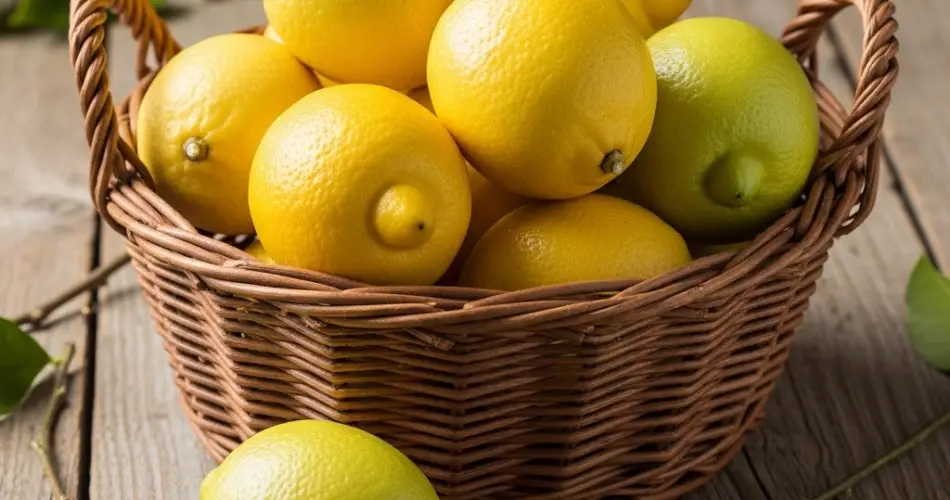
Lemons are among the most versatile fruits you can grow at home, prized for their bright flavor, vibrant aroma, and wide range of uses in the kitchen and beyond. But to get the best taste and juiciness from your lemon tree, it’s important to harvest the fruit at the right time and in the right way. Picking too early can leave you with sour, underdeveloped lemons, while waiting too long may reduce their shelf life and flavor.
Here’s everything you need to know about harvesting lemons properly to enjoy maximum flavor from every fruit.
1. Know Your Lemon Variety
Different lemon varieties mature at different times of the year. Understanding what kind you’re growing helps you estimate when to begin checking for ripeness.
-
Eureka lemons typically produce fruit year-round in warm climates.
-
Lisbon lemons have heavier crops in winter to early spring.
-
Meyer lemons—a sweeter, hybrid variety—ripen in winter and early spring.
Knowing your variety’s growth habits helps you predict the harvest window more accurately and plan accordingly.
2. Don’t Rely on Color Alone
While lemons do turn yellow as they ripen, skin color isn’t always the most reliable sign of readiness. Sometimes, lemons turn yellow before they’re fully mature, or they stay a little green even when they’re ripe, especially in warmer climates.
More accurate ripeness indicators include:
-
A slight softness when gently squeezed.
-
A glossy, smooth skin with a full, rounded shape.
-
The fruit feels heavy for its size—indicating it’s full of juice.
Wait for these signs rather than color alone to ensure optimal taste and juice content.
3. Give It the Taste and Smell Test
If you’re unsure whether your lemons are ready, test one. Pick a lemon that appears mature, cut it open, and evaluate its aroma and flavor.
-
A ripe lemon will smell citrusy and sweet at the stem end.
-
The juice should be plentiful and bright, with balanced acidity.
-
If it tastes bitter or dry, give the fruit more time on the tree.
Lemons don’t ripen after being picked, so it’s better to wait a few more days than to harvest too soon.
4. The Right Time to Harvest
Lemons generally take 6 to 9 months from flowering to reach maturity. For many gardeners, late winter through early spring is the peak harvest time, though this varies depending on climate and variety.
Signs your lemons are ready to harvest:
-
The fruit detaches easily with a gentle twist or tug.
-
It has a rich yellow or slightly orange hue (for Meyer lemons).
-
The rind is firm, not spongy, with a slightly waxy texture.
You can pick lemons over several weeks as they ripen individually on the tree.
5. How to Harvest Properly
When it’s time to harvest, handle the fruit gently to avoid bruising or tearing the skin.
Best practices include:
-
Use pruning shears or scissors to cut the lemon from the branch, leaving a small piece of the stem attached.
-
If harvesting by hand, twist the fruit slightly instead of pulling.
-
Avoid yanking or shaking branches, which can damage both the fruit and the tree.
Pick only the lemons you need and allow the rest to continue ripening on the tree. Lemons can stay fresh on the tree for weeks after maturing.
6. Store Lemons Correctly After Picking
Once picked, lemons can last for several weeks if stored properly.
-
Keep them in a cool, dry place away from direct sunlight.
-
For longer shelf life, store lemons in the refrigerator, where they can stay fresh for up to a month or more.
-
Do not wash lemons before storing—excess moisture can encourage mold. Wash just before using.
You can also juice and freeze lemons if you have a large harvest. Freeze juice in ice cube trays and store the cubes in a freezer-safe container for easy use.
7. Encourage Continuous Harvests
Many lemon trees, especially everbearing varieties like Eureka and Meyer, will flower and fruit multiple times a year under the right conditions.
To keep your tree productive:
-
Prune lightly after each harvest to shape the tree and remove dead or overcrowded branches.
-
Fertilize in early spring and again in midsummer with a citrus-specific fertilizer.
-
Ensure your tree gets full sun and consistent watering.
With regular care and proper harvesting, your lemon tree can provide fruit almost year-round in mild climates.
Final Thoughts
Harvesting lemons at the right time is essential to getting the best flavor, juice, and satisfaction from your homegrown fruit. By observing your lemons for signs of ripeness—like size, weight, and fragrance—and picking them carefully, you’ll enjoy the freshest citrus possible. Whether you use them in drinks, cooking, or cleaning, freshly picked lemons are a vibrant reward for your gardening efforts. With patience and a little know-how, your lemon tree will be one of the most fruitful and fragrant additions to your home garden.


