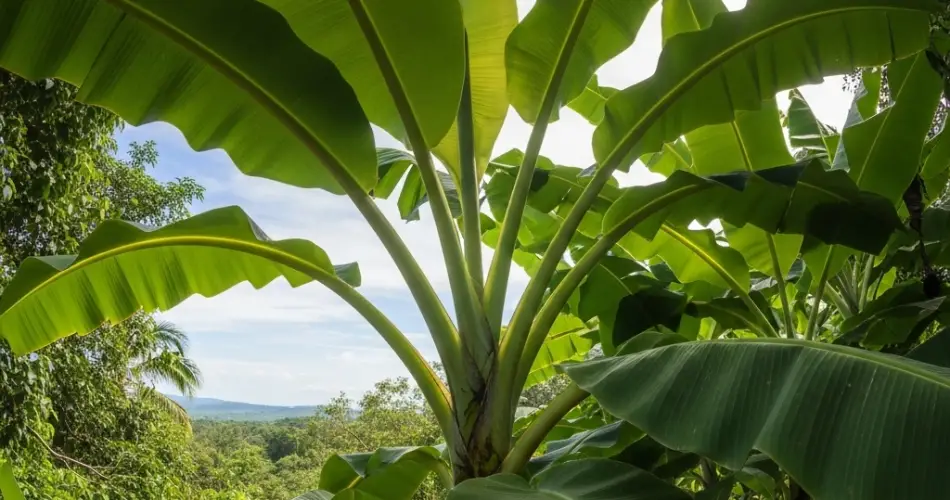
Bananas are a tropical favorite known for their creamy texture, sweet flavor, and impressive nutritional benefits. While it’s easy to pick up a bunch of bananas from the store, many gardening enthusiasts wonder: can you grow a banana plant from store-bought fruit? The short answer is—no, not in the way you might expect. Store-bought bananas cannot be used to grow new banana plants because they are seedless and propagated differently. However, that doesn’t mean you can’t grow your own banana plant at home.
In this article, we’ll explain why store-bought bananas can’t be planted, and we’ll guide you on how to grow banana plants the right way—whether in your garden or as an indoor tropical ornamental.
Why You Can’t Grow Bananas from Store-Bought Fruit
Commercial bananas, particularly the popular Cavendish variety, are seedless. They are grown through a method called vegetative propagation, not from seeds. If you open a store-bought banana, you may notice tiny black specks inside—these are undeveloped seeds, incapable of germination.
Banana plants are typically propagated using pups or suckers—small shoots that grow from the base of a mature banana plant. These shoots can be separated and replanted to grow a new banana tree that is genetically identical to the parent.
How to Grow Banana Plants at Home (The Right Way)
If you’re serious about growing bananas at home, here’s how to do it using proper planting material.
1. Get a Banana Pup or Starter Plant
Visit a garden center or nursery that offers banana plant varieties suitable for your climate. You can choose between:
-
Tropical bananas: Ideal for USDA zones 9–11.
-
Dwarf or ornamental bananas: Suitable for containers and indoor growing.
-
Cold-hardy varieties: Such as ‘Basjoo’, which can tolerate colder conditions.
Look for a healthy pup (young offshoot) that is at least 12 inches tall, with a strong stem and some root development.
2. Choose the Right Planting Location
Bananas love warmth, humidity, and sunlight. Whether you’re growing outdoors or in a container, keep these factors in mind:
-
Sunlight: Banana plants need at least 6–8 hours of full sun daily.
-
Soil: They prefer rich, well-draining soil with a pH between 5.5 and 7.0.
-
Space: Full-size banana plants can grow 10–15 feet tall, so give them room to spread.
If planting in a pot, choose a large container (at least 18–24 inches wide) with good drainage.
3. Planting Your Banana Pup
-
Dig a hole twice the size of the pup’s root ball.
-
Gently place the pup in the hole, covering the roots but keeping the base of the stem above soil level.
-
Water thoroughly and apply a layer of mulch to retain moisture.
In pots, use a rich potting mix with compost or organic fertilizer mixed in.
4. Care and Maintenance
Banana plants grow quickly when given the right conditions. Here’s how to keep them thriving:
-
Water regularly: Bananas are heavy drinkers. Keep the soil consistently moist, but not waterlogged.
-
Feed monthly: Use a balanced fertilizer or compost tea to support growth. Bananas need potassium and nitrogen for healthy fruiting.
-
Protect from wind: Large leaves are prone to tearing, so provide shelter from strong gusts.
In cooler climates, bring container plants indoors when temperatures drop below 10°C (50°F).
When Will It Fruit?
Banana plants typically take 9 to 15 months to produce fruit, depending on the variety and growing conditions. After fruiting, the main stalk dies, but new pups will emerge from the base to continue the cycle.
Outdoor bananas need warm weather year-round to bear fruit. In colder regions, you may enjoy the plant more for its lush, tropical foliage than for its fruit.
Growing Bananas from Seeds (Alternative Method)
While Cavendish bananas are seedless, wild banana species (like Musa balbisiana) do contain viable seeds. These are available from specialty seed suppliers. However, growing bananas from seed is a much slower and more challenging process, often taking weeks to germinate and years before the plant fruits.
The seeds need to be soaked in warm water for 24–48 hours and sown in a warm, humid environment. Even then, germination is unpredictable.
Final Thoughts
Although you can’t grow a banana plant from the fruit you buy at the grocery store, that doesn’t mean you can’t enjoy banana gardening at home. With the right starter plant and proper care, you can raise a lush banana tree that brings a tropical touch to your space—and maybe even a harvest of homegrown bananas. Whether you’re gardening outdoors in a warm climate or nurturing a potted plant indoors, banana plants are a beautiful and rewarding addition to any garden.


