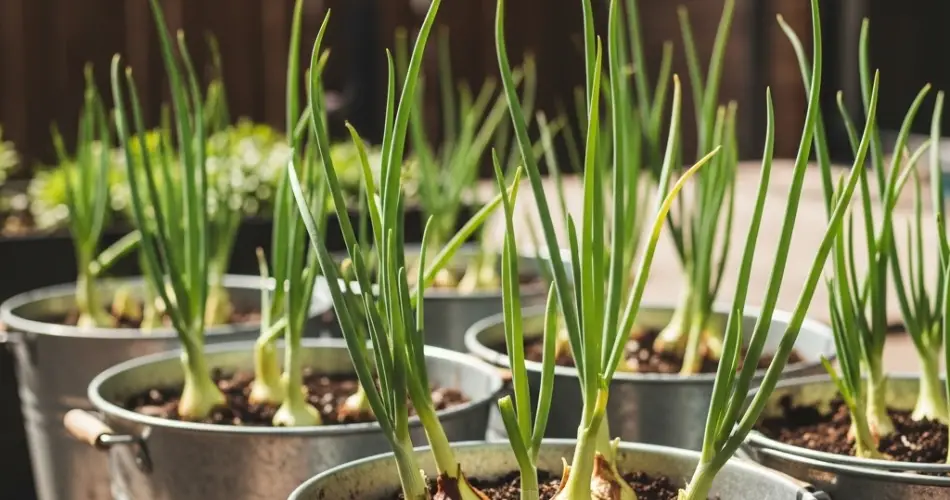
Onions are a staple in kitchens around the world, valued for their flavor and versatility. They are also one of the easiest vegetables to grow in containers, making them an excellent choice for home gardeners with limited space. Growing onions in buckets ensures better soil control, easier maintenance, and a rewarding harvest. But knowing how and when to harvest, as well as the best way to store onions, is crucial for preserving their flavor and longevity. This guide walks you through everything you need to know about harvesting and storing onions from buckets.
Signs That Onions Are Ready for Harvest
Onions require patience, as they take several months to grow from sets or seedlings into full-sized bulbs. The timing of harvest depends on the variety and planting season, but most onions are ready within 90–120 days. The most reliable sign that onions are mature is the condition of their tops. When the green foliage begins to yellow, weaken, and eventually fall over, it indicates that the bulbs have stopped growing and are ready for harvesting.
If you planted multiple onions in a bucket, you may notice that not all of them mature at the same time. Start by checking the largest bulbs first. To confirm readiness, gently brush away some soil at the base of the plant. A firm, rounded bulb with dry outer skin suggests that it is harvest-ready.
How to Harvest Onions from Buckets
Harvesting onions requires care, as damaging the bulbs can shorten their storage life. Follow these steps for a successful harvest:
-
Loosen the Soil – Use your hands or a small hand fork to gently loosen the soil around the bulb. Since buckets are shallow, avoid digging too deep to prevent damaging the container.
-
Lift the Bulbs – Grasp the onion near the base and pull it out gently. If the soil is compacted, loosen it further before attempting to pull.
-
Shake Off Excess Soil – Remove loose soil by gently shaking the bulb. Do not wash the onions at this stage, as moisture can promote rot.
-
Handle with Care – Avoid bruising or cutting the onion skin, since damaged bulbs will not store well.
It is best to harvest onions on a dry, sunny day. The lack of moisture helps the bulbs start the curing process immediately.
The Importance of Curing Onions
Curing is a crucial step that allows onions to dry properly, extending their storage life. Freshly harvested onions contain high moisture, and storing them immediately can lead to mold and decay.
To cure onions:
-
Spread the bulbs out in a single layer on a dry surface, such as a mesh screen, wooden rack, or newspaper.
-
Keep them in a warm, airy place out of direct sunlight. A shaded patio, shed, or garage with good airflow works well.
-
Allow onions to cure for 2–3 weeks. During this time, the outer layers dry and form protective papery skins, while the necks seal to prevent moisture loss.
Once the necks are completely dry and the skins feel crisp, the onions are ready for storage.
Storing Onions for Longevity
Proper storage ensures you can enjoy your homegrown onions for months. Here are the best practices:
-
Cool, Dry Location – Store cured onions in a cool, dry, and well-ventilated place. Temperatures between 32°F and 40°F (0°C–4°C) are ideal. Avoid humid areas like basements, which encourage sprouting and mold.
-
Breathable Containers – Use mesh bags, baskets, or crates for storage. Avoid plastic bags, as they trap moisture and accelerate spoilage.
-
Check Regularly – Inspect your onions periodically and remove any that show signs of sprouting, softness, or rot to prevent them from affecting others.
-
Separate Varieties – Sweet onions have higher water content and a shorter shelf life compared to pungent storage onions. Consume sweet varieties first, and save pungent onions for longer storage.
Under the right conditions, pungent onions can last for 6–8 months, while sweeter types typically keep for 1–2 months.
Can You Store Onions in the Refrigerator?
While refrigeration can help extend the freshness of cut or peeled onions, it is not recommended for whole cured onions. The moisture in refrigerators encourages sprouting and changes texture. However, chopped onions can be stored in airtight containers in the refrigerator for up to a week, or frozen for longer preservation.
Using Your Harvest
Harvesting onions from buckets not only provides a sense of accomplishment but also delivers fresh, flavorful produce straight to your kitchen. Use your onions in soups, stir-fries, sauces, and countless other recipes. You can even braid onions with their dried tops for decorative and functional storage.
Conclusion
Harvesting and storing onions from buckets is a straightforward process that ensures you enjoy your homegrown produce for months. By recognizing the signs of maturity, harvesting carefully, curing thoroughly, and storing properly, you can maximize the lifespan and flavor of your onions. Container gardening makes this entire process manageable, even in small spaces, proving that a plentiful onion harvest is possible whether you have a backyard garden or just a few buckets on the balcony.


