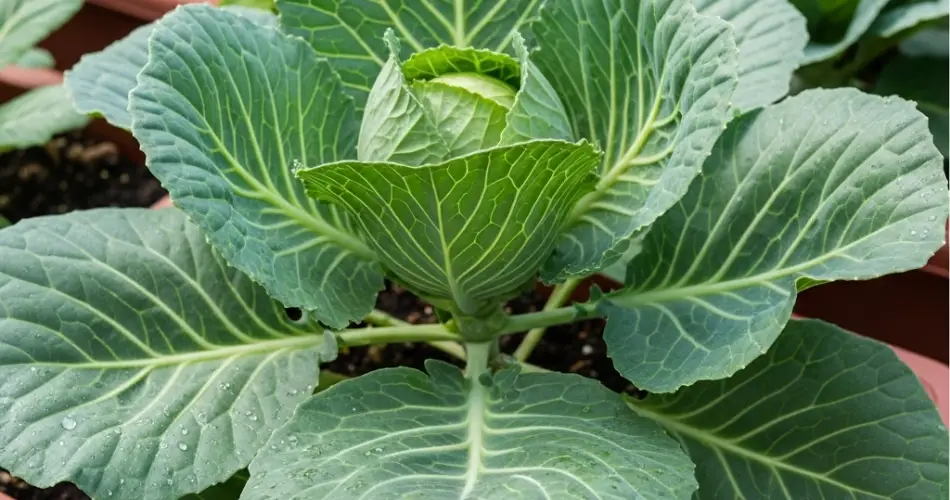
Think you need a big garden to grow big cabbage? Think again. With the right container, good soil, and some sunlight, you can grow large, crunchy cabbage heads in surprisingly small spaces. Whether you live in an apartment with a balcony or have a small patio garden, cabbage is a great crop for container growing. It’s not only nutritious and versatile in the kitchen but also satisfying to grow.
This guide explains how to cultivate large, healthy cabbage heads in compact spaces using containers—and enjoy a rewarding harvest even without a traditional garden bed.
Why Grow Cabbage in Containers?
Container gardening allows you to control the growing environment more precisely. From soil composition to moisture levels and pest protection, you get to create ideal conditions in a compact space.
Benefits of growing cabbage in containers:
-
Perfect for patios, balconies, rooftops, and small courtyards
-
Easy to move pots to adjust for sunlight and weather
-
Better control of soil quality and moisture
-
Fewer issues with pests, weeds, and soil-borne diseases
-
Cleaner, easier harvesting
Choosing the Right Cabbage Variety
Some cabbage varieties grow better in containers than others. When selecting seeds or seedlings, go for types that are compact or early maturing.
Top varieties for small spaces:
-
Golden Acre – Compact and early-maturing green cabbage
-
Red Express – Small-sized red cabbage ideal for containers
-
Pixie – A miniature variety with firm heads
-
Caraflex – A cone-shaped, small-headed variety that matures quickly
-
Savoy types – Tender and attractive, with crinkled leaves and moderate size
These varieties don’t require massive root systems and can thrive in confined spaces with proper care.
Picking the Right Container
Cabbage plants form dense heads and need space to spread their roots. Choosing the correct container size is crucial for healthy growth and big harvests.
Container guidelines:
-
Minimum depth: 12 inches (30 cm)
-
Width: 12–18 inches per plant
-
Volume: At least 5 gallons (19 liters) per cabbage plant
-
Material: Plastic pots, grow bags, clay pots, or wooden boxes
-
Drainage: Make sure there are holes in the bottom to allow excess water to escape
Avoid shallow containers, as they restrict root growth and cause stress during dry spells.
The Best Soil Mix for Cabbage
Cabbage prefers rich, well-draining soil that holds moisture but doesn’t become soggy. A good potting mix with added nutrients will help grow large heads.
Soil recipe:
-
60% premium potting mix
-
30% compost or aged manure
-
10% perlite or vermiculite for drainage and aeration
Mix in a slow-release balanced fertilizer (such as 10-10-10) at the time of planting. Later, switch to a nitrogen-rich feed during the leaf-growing stage and then a phosphorus-boosting fertilizer once the head begins to form.
Planting Your Cabbage
-
Start seeds indoors 4–6 weeks before the last frost or buy ready-to-plant seedlings.
-
Transplant seedlings into containers when they have at least 4 true leaves.
-
Plant one cabbage per container to give the roots enough space to expand.
-
Firm the soil around the base and water thoroughly.
-
Place the container in a spot that receives 6–8 hours of sunlight daily.
Cabbage prefers cool weather and grows best in spring or fall, but it can tolerate some heat as long as it gets enough water.
Cabbage Care in Small Spaces
Sunlight
Cabbage loves full sun. Position your container in the brightest location possible. In hot climates, some afternoon shade may help prevent heat stress.
Watering
Consistent moisture is key. Water deeply when the top inch of soil feels dry. Avoid letting the soil dry out completely, as this may cause heads to split or bolt.
Feeding
Use a liquid fertilizer every two weeks during the growing season. When heads begin forming, reduce nitrogen and boost phosphorus and potassium to encourage firm growth.
Mulching
Apply a thin layer of mulch (like straw or shredded leaves) to retain moisture, regulate temperature, and prevent weeds.
Pest and Disease Control
Even in containers, cabbage can attract pests. Stay vigilant to protect your crop.
Watch out for:
-
Cabbage worms and loopers – Remove by hand or treat with BT (Bacillus thuringiensis)
-
Aphids – Spray with soapy water or neem oil
-
Slugs and snails – Use organic slug bait or traps
-
Fungal issues – Avoid wetting the leaves and provide good air circulation
Keep your container area clean and rotate crops to reduce the risk of disease.
Harvesting Your Cabbage
Cabbage heads are ready when they feel solid and have reached the expected size for their variety—usually 60–90 days after transplanting.
To harvest:
-
Cut the cabbage head off at the base using a sharp knife
-
Leave the outer leaves and roots in place if you want the plant to produce small side heads later
-
Use harvested cabbage fresh, store in the refrigerator, or preserve by pickling or fermenting
Final Tips for Success
-
Keep your containers raised for better airflow and easier pest control
-
Monitor for signs of stress like wilting or yellowing leaves
-
Clean and sanitize containers between seasons
-
Start a second planting in early fall if your climate allows
Conclusion
Growing big cabbage in a small container space is not only possible—it’s practical and rewarding. With the right setup, even a balcony can yield crisp, compact cabbage heads ready for coleslaw, stir-fry, or fermentation. All you need is a pot, good soil, sunlight, and a bit of care to turn limited space into a leafy green success story.


