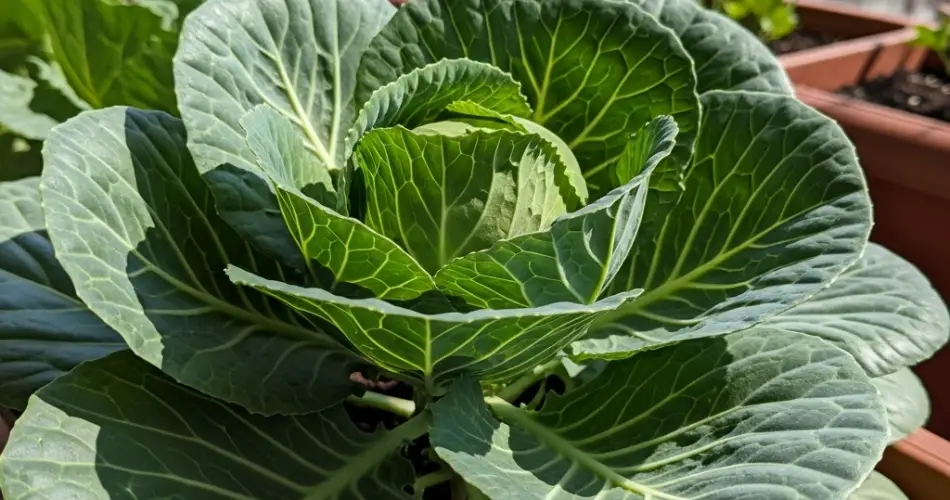
Cabbage is a hardy, nutrient-rich vegetable that’s surprisingly well-suited for container gardening. Even without a garden bed, you can grow firm, healthy cabbage heads right from your balcony, patio, or small backyard. Whether you’re new to gardening or simply working with limited space, cultivating cabbage in containers is an excellent way to enjoy fresh, homegrown produce.
This guide will walk you through everything you need to know to grow cabbage successfully in pots—from choosing the right container to harvesting crisp, leafy heads.
Why Grow Cabbage in Containers?
Cabbage is typically considered a cool-weather, ground-grown crop, but it adapts very well to container life. Growing cabbage in pots offers several benefits:
-
Space-saving: Great for small homes, apartments, or urban patios.
-
Pest control: Easier to monitor and manage pests like cabbage worms or aphids.
-
Mobility: Containers can be moved to take advantage of light or shade.
-
Soil control: Allows you to create nutrient-rich, well-draining soil tailored to cabbage needs.
For beginners, container gardening also simplifies crop rotation and reduces the risk of soil-borne diseases.
Best Container Size for Cabbage
Cabbage has a relatively shallow but wide root system. To accommodate the plant’s growth, choose containers that are:
-
At least 12 inches deep and 12–18 inches wide
-
5-gallon pots or larger for a single plant
-
Made of plastic, terracotta, fabric grow bags, or recycled tubs, all with good drainage holes
Ensure your container drains well to prevent soggy roots and fungal issues. You can elevate pots slightly with bricks or trays to promote water flow.
Best Cabbage Varieties for Containers
Certain cabbage varieties are better suited for small-space gardening. Choose compact or early-maturing types for the best results in pots.
Recommended varieties:
-
Golden Acre – A compact early variety ideal for containers
-
Copenhagen Market – Produces tight, round heads
-
Red Acre – A colorful red cabbage that’s container-friendly
-
Pixie – A small, fast-maturing cabbage perfect for limited space
These varieties develop smaller heads but still deliver full cabbage flavor and excellent nutritional value.
Ideal Soil Mix
Cabbage thrives in nutrient-rich, well-draining soil that retains moisture but doesn’t become soggy.
Suggested soil mix:
-
60% high-quality potting mix
-
30% compost or aged manure
-
10% perlite or coco coir for aeration
Before planting, mix in a slow-release, balanced fertilizer or organic amendments like bone meal and worm castings to support strong growth from the start.
Planting Cabbage in Containers
You can start cabbage from seeds or transplants. Seedlings are more convenient for beginners.
-
Fill your container with the prepared soil mix, leaving about 1–2 inches at the top.
-
Transplant one seedling per pot to give each plant room to form a full head.
-
Firm the soil gently around the base of the plant and water thoroughly.
Place your containers in a spot that gets at least 6 hours of sunlight per day. In warmer climates, morning sun with afternoon shade is ideal.
Watering and Feeding
Cabbage needs consistent moisture to form solid heads, especially in containers that dry out faster than garden soil.
-
Water when the top inch of soil feels dry—usually every 1–2 days in warm weather.
-
Avoid letting the soil completely dry out, which can stress the plant.
-
Fertilize every 2–3 weeks with a nitrogen-rich liquid fertilizer until heads begin to form, then switch to a balanced or phosphorus-heavy fertilizer.
Adding mulch, like shredded leaves or straw, helps retain moisture and regulate soil temperature.
Managing Pests and Problems
Cabbage can attract a few common pests, even in containers.
Watch for:
-
Cabbage worms – Handpick or use organic treatments like neem oil or BT spray.
-
Aphids – Spray with insecticidal soap or rinse with a hose.
-
Slugs and snails – Remove manually or use traps.
Keeping your container off the ground and maintaining good airflow around the plant reduces the risk of fungal diseases.
Harvesting Container-Grown Cabbage
Cabbage is ready to harvest when the head is firm and has reached the expected size for its variety—usually 70 to 90 days after transplanting.
-
Use a sharp knife to cut the head at the base, leaving outer leaves and roots intact.
-
In some cases, small side shoots may grow and produce mini heads after the main harvest.
Harvest in the morning for the freshest flavor and crunch.
Final Tips for Success
-
Start early in spring or plant in late summer for a fall harvest.
-
Avoid overcrowding—one cabbage per pot is best.
-
Rotate crops each season to prevent disease buildup.
-
Clean containers between growing cycles to maintain plant health.
Conclusion
Growing cabbage in containers is simple, practical, and ideal for anyone working with limited space. With the right pot, soil, and care, you can produce fresh, crunchy cabbage right on your patio or balcony. Whether you’re growing for salads, stir-fries, or fermenting into homemade sauerkraut, your container-grown cabbage will be a flavorful and satisfying addition to your home garden.


