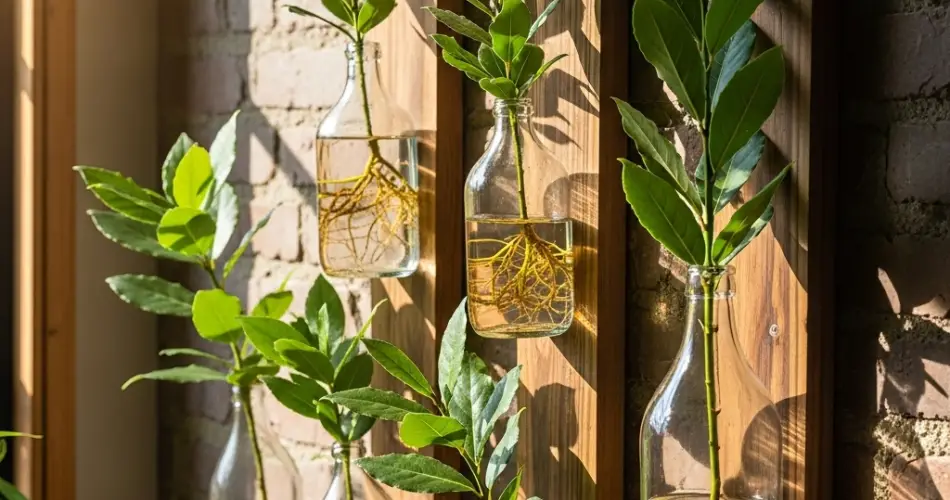
Bay laurel, scientifically known as Laurus nobilis, is an evergreen shrub famous for its aromatic leaves that are an essential ingredient in countless recipes. Traditionally, bay laurel trees are cultivated outdoors in warm, Mediterranean climates where they can grow tall and majestic. However, modern gardening techniques now make it possible to grow compact bay laurel plants in small spaces. One creative and sustainable method is designing a hanging bay leaf garden using recycled plastic bottles.
This bottle-based wall garden not only provides fresh bay leaves for your kitchen but also transforms unused vertical space into a functional and decorative feature. With a little preparation, you can turn a simple wall into a thriving herb garden that combines sustainability with beauty.
Why Bay Laurel Works Well for Vertical Bottle Gardens
Bay laurel is an excellent choice for hanging gardens due to its adaptability and usefulness.
-
Compact Growth: With pruning, bay laurel remains a manageable size, ideal for confined spaces like balconies and kitchen walls.
-
Evergreen Foliage: The glossy, dark green leaves stay fresh year-round, ensuring a steady supply for cooking.
-
Culinary Value: Bay leaves are indispensable in soups, sauces, stews, and marinades, making them a kitchen staple worth growing.
-
Decorative Appeal: The rich foliage adds a touch of Mediterranean elegance to indoor or outdoor wall gardens.
Materials You’ll Need
Creating a bottle-based bay laurel wall garden requires only a few accessible and inexpensive materials.
-
1.5- or 2-liter plastic bottles (cleaned and dried)
-
Scissors or a utility knife
-
A wooden frame, metal rack, or sturdy wall support
-
Strong string, hooks, or zip ties for hanging
-
Potting soil with compost and drainage material
-
Bay laurel seedlings or rooted cuttings
-
A watering can or spray bottle
Step-by-Step Instructions
1. Prepare the Bottles
Cut a rectangular opening on the side of each bottle large enough to plant in. Keep the cap on and poke small holes in the bottom to allow for drainage. This design turns the bottle into a mini hanging planter.
2. Arrange the Wall Layout
Decide how you want your hanging garden to look. You can align the bottles vertically, stagger them diagonally, or create rows depending on available space. Use hooks, strong string, or zip ties to secure each bottle firmly to the frame or wall.
3. Add Soil
Fill each bottle two-thirds full with a mix of potting soil and compost. Add a little perlite or coarse sand to improve drainage, as bay laurel dislikes waterlogged roots.
4. Plant Bay Laurel
Insert seedlings or small cuttings into the soil, covering their roots completely. If you are using cuttings, choose semi-hardwood stems and dip the base in rooting hormone to encourage growth before planting.
5. Position the Garden
Place the wall garden in a spot that receives at least 6 hours of bright light daily. A sunny balcony wall, patio, or a kitchen area near a south-facing window works well. For low-light homes, consider using grow lights to support healthy development.
Caring for Bay Laurel in Bottled Wall Gardens
Watering
Bay laurel prefers soil that is evenly moist but never soggy. In small bottle planters, the soil dries out faster, so check regularly and water when the top inch feels dry. Always allow excess water to drain out through the holes at the base.
Fertilizing
Feed the plants every month or so with a diluted liquid fertilizer, or use organic options like compost tea. This helps replenish nutrients in the limited soil space of the bottles.
Pruning and Harvesting
Pruning is key to keeping bay laurel compact in a vertical garden. Snip young stems to encourage bushier growth, and harvest mature leaves as needed for cooking. Older, darker leaves hold the strongest aroma and flavor.
Pest Control
Bay laurel is generally hardy, but occasionally scale insects or aphids may appear. Check the leaves regularly and, if necessary, use a gentle soap spray or wipe them with a damp cloth.
Advantages of a Bottle-Based Bay Laurel Wall Garden
-
Saves Space: Perfect for small apartments, urban homes, or kitchens where ground space is limited.
-
Eco-Friendly: Repurposes plastic bottles that would otherwise go to waste, supporting sustainable gardening practices.
-
Convenience: Fresh bay leaves are always within reach, reducing the need for store-bought dried herbs.
-
Decorative Value: A wall of lush green foliage doubles as a natural accent piece that enhances your living space.
Harvesting and Using Bay Leaves
Bay leaves can be harvested as soon as the plant is established and producing mature foliage. Pick the older, darker leaves for maximum flavor. They can be used fresh or dried. To dry, simply bundle a few stems and hang them in a cool, airy place. Once dried, store the leaves in an airtight container.
Final Thoughts
A hanging bay leaf garden made from plastic bottles is an innovative and practical way to grow herbs at home, especially if space is limited. Not only does it provide fresh, aromatic leaves year-round, but it also helps reduce plastic waste while creating a striking vertical feature in your home or balcony.
With simple tools, a bit of creativity, and consistent care, you can enjoy the beauty and usefulness of bay laurel in a compact and sustainable form. This project proves that even in modern urban environments, traditional culinary herbs can thrive with just a little ingenuity.


