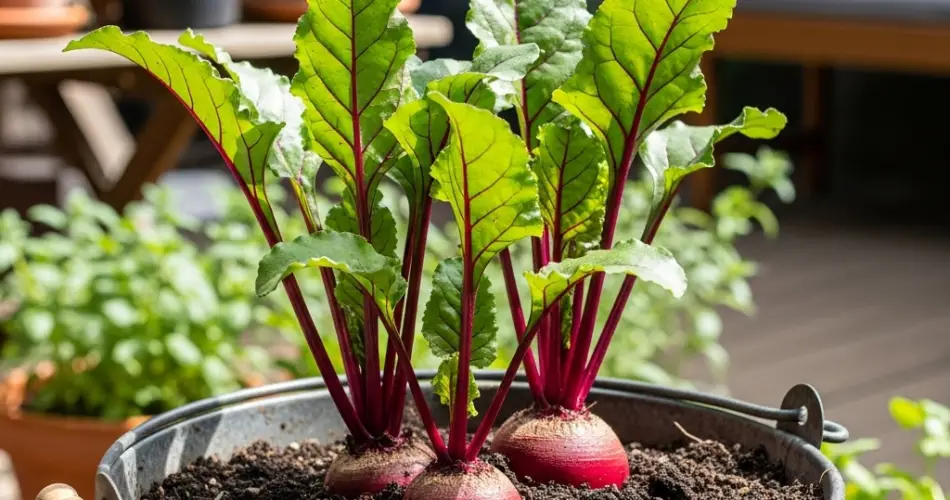
Beetroots are one of the most vibrant and nutritious root crops you can grow at home. Known for their deep red, purple, golden, and even striped varieties, beetroots not only bring color to your kitchen but also pack a nutritional punch. They are rich in vitamins, minerals, and antioxidants that support heart health, boost energy, and add earthy sweetness to your meals.
The best part? You don’t need a garden bed to grow them. With a simple bucket and a sunny corner, you can cultivate a continuous supply of beetroots right at home. Bucket gardening is a practical solution for small spaces like balconies, patios, and rooftops, making it easy for anyone to enjoy fresh, homegrown harvests.
Why Grow Beetroots in Buckets?
Container gardening offers several benefits when it comes to beetroots:
-
Space efficiency: A single bucket can yield several beets, ideal for small living areas.
-
Soil control: Buckets let you create the perfect loose, well-draining soil, which helps roots grow evenly.
-
Fewer pests: Raising plants off the ground reduces the risk of soil-borne diseases and crawling pests.
-
Colorful harvests: You can mix and match different beetroot varieties in one container to enjoy a rainbow of roots and greens.
By growing in buckets, you can produce fresh beets year-round with minimal effort.
Choosing the Right Container
A 5-gallon bucket is a great starting point for growing beetroots. Here’s what to look for:
-
Depth: At least 10–12 inches deep to allow root development.
-
Width: A standard bucket accommodates about 6–8 beet plants comfortably.
-
Drainage: Drill several holes in the bottom to prevent soggy soil.
If possible, opt for light-colored buckets to keep soil temperatures moderate during hot months.
Preparing the Soil
Beetroots thrive in loose, sandy loam soil that allows roots to expand without obstruction. A good mix for buckets includes:
-
40% high-quality potting soil
-
40% compost for nutrients
-
20% perlite or coarse sand for aeration
Avoid heavy clay or compacted soil, as it can result in misshapen or stunted roots. Adding a handful of organic fertilizer or bone meal before planting provides an extra boost for healthy growth.
Planting Beetroots in Buckets
Beetroots are usually grown from seeds, which are actually clusters containing multiple seeds.
-
Fill your bucket with the prepared soil, leaving an inch of space at the top.
-
Sow seeds ½ inch deep and 2 inches apart in rows or a circular pattern.
-
Water gently to settle the soil.
-
Once seedlings sprout, thin them to about 3–4 inches apart. These thinnings can be eaten as baby greens in salads.
Stagger sowing every 2–3 weeks for a continuous harvest throughout the growing season.
Caring for Your Beetroot Plants
Watering
Beetroots need consistent moisture to form tender roots. Water whenever the top inch of soil feels dry, aiming to keep the soil evenly damp but not waterlogged. Uneven watering can lead to cracked roots.
Sunlight
Place the bucket in a location that receives 6–8 hours of sunlight daily. Beets grown in too much shade may produce lush leaves but small roots.
Fertilizing
Feed your beets with a balanced liquid fertilizer or compost tea every 3–4 weeks. Too much nitrogen encourages leafy tops at the expense of root growth, so keep fertilization moderate.
Mulching
A thin layer of straw, dried leaves, or grass clippings helps retain soil moisture and regulate temperature.
Harvesting Beetroots
Beets are typically ready to harvest in 50–70 days, depending on the variety. You’ll know they’re ready when the shoulders of the roots begin to push above the soil surface.
-
Baby beets: Harvest at golf ball size for tender, sweet flavor.
-
Full-size beets: Wait until roots are 2–3 inches in diameter.
To harvest, gently loosen the soil and pull the plant by the base of the stems. Don’t forget the leafy tops—they’re edible and highly nutritious, perfect for sautéing or adding to soups.
Common Problems and Solutions
-
Crowded roots: Thin seedlings properly to avoid small or misshapen beets.
-
Pests: Flea beetles and aphids may attack leaves; use neem oil spray or rinse with water.
-
Bolting: Hot weather or stress can cause beets to flower early. To prevent this, keep soil evenly moist and avoid letting plants dry out.
-
Poor root formation: Often due to too much nitrogen. Use balanced fertilizer instead.
Enjoying Your Beet Harvest
Homegrown beets can be roasted, boiled, pickled, or juiced. Golden and striped varieties add a colorful twist to dishes, while beet greens make a nutritious side. Growing a mix of varieties in your bucket not only ensures a vibrant harvest but also introduces different flavors and textures to your meals.
Final Thoughts
Growing beetroots in buckets is a simple, rewarding way to bring fresh, colorful produce into your home. With minimal space, you can harvest both roots and greens, enjoying their health benefits and culinary versatility. From seed to plate, the process is straightforward, making it perfect for both beginners and seasoned gardeners.
Whether you want classic deep red beets or eye-catching golden and striped varieties, bucket gardening ensures a steady supply of this nutrient-rich vegetable. Try it once, and you’ll likely make it a staple in your container garden year after year.


