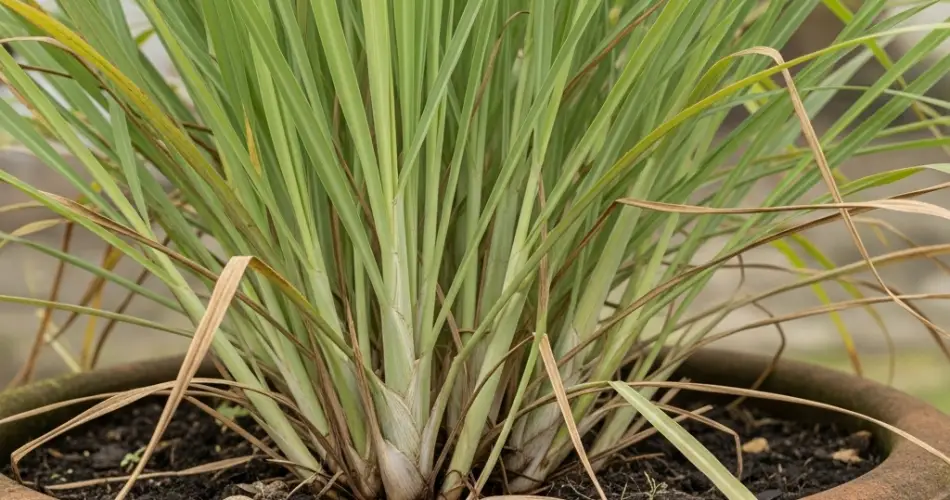
Lemongrass (Cymbopogon citratus) is a fragrant, versatile herb widely used in cooking, teas, and natural remedies. Its citrusy aroma and refreshing flavor make it a favorite in soups, curries, stir-fries, and herbal infusions. Beyond its culinary uses, lemongrass adds a decorative element to patios, balconies, and container gardens, producing tall, elegant stalks that sway gently in the breeze. Growing lemongrass in planters is an ideal option for gardeners with limited space, allowing you to enjoy fresh stalks year-round.
Container cultivation provides control over soil, water, and sunlight, ensuring your plants thrive while remaining manageable and aesthetically pleasing. With proper care, lemongrass can reach impressive heights in planters, delivering both fragrance and flavor directly from your patio.
Choosing the Right Container
Lemongrass has a robust, fibrous root system that requires deep containers for optimal growth. Select a planter at least 30–40 cm (12–16 inches) deep with a diameter of 30–35 cm (12–14 inches) to accommodate its expanding clumps.
Good drainage is essential to prevent waterlogging, which can lead to root rot. Ensure your planter has adequate drainage holes. Plastic, clay, or ceramic containers all work well. Clay pots offer breathability for healthy roots, while lightweight plastic containers are easier to move to capture sunlight.
Selecting and Preparing Soil
Lemongrass thrives in fertile, well-draining soil. Use a high-quality potting mix enriched with organic compost to provide essential nutrients. Avoid dense or compacted soil, which can restrict root development and stunt growth.
Aim for a slightly acidic to neutral soil pH of 6.0–7.0. Adding sand or perlite improves drainage, keeping the roots healthy and preventing water accumulation. Proper soil preparation ensures strong, aromatic stalks and vigorous foliage.
Planting Lemongrass in Planters
Lemongrass can be grown from seeds, but starting from stalks or divisions is faster and more reliable.
-
From stalks: Choose fresh lemongrass stalks with healthy white bases. Place the base in water until roots begin to develop, usually within 1–2 weeks. Once roots are visible, transplant into a prepared planter.
-
From divisions: Separate healthy clumps from an existing plant and plant them in your container, spacing them about 20–25 cm apart to allow for growth.
Firm the soil around the roots and water thoroughly after planting. A well-planted lemongrass stalk will establish quickly and begin producing new shoots within a few weeks.
Watering and Humidity
Lemongrass prefers consistently moist soil, but it does not tolerate standing water. Water thoroughly when the top 2–3 cm of soil feels dry. During hot weather, daily watering may be necessary, especially for planters in direct sunlight.
Good drainage is essential to prevent root rot. If grown indoors, occasional misting can help maintain humidity, which encourages robust growth. Avoid overwatering the foliage to reduce the risk of fungal issues.
Sunlight Requirements
Lemongrass thrives in full sun. Place your planter in a location that receives at least 6–8 hours of direct sunlight each day. Adequate sunlight ensures tall, sturdy stalks and intensely aromatic leaves.
If growing indoors or in partially shaded areas, supplement natural light with a grow light to encourage strong growth and prevent legginess.
Fertilizing Lemongrass
Container-grown lemongrass benefits from regular feeding, as nutrients in pots deplete quickly. Apply a balanced liquid fertilizer every 3–4 weeks during the growing season or incorporate slow-release organic fertilizer into the soil at planting time.
Organic options such as compost or fish emulsion are excellent for promoting healthy foliage and flavorful stalks. Avoid excessive nitrogen, which may encourage lush leaves but reduce stalk thickness.
Harvesting Lemongrass
Lemongrass can be harvested once the stalks reach 30–45 cm in height and are thick and firm at the base. Cut the stalk at soil level, leaving the roots intact so the plant can continue producing new growth.
The leaves can also be trimmed as needed, but frequent harvesting of mature stalks encourages bushier growth and maintains healthy plants. Freshly harvested lemongrass stalks can be used immediately or stored in the refrigerator for up to two weeks.
Additional Tips for Healthy Container Lemongrass
-
Rotate planters occasionally to ensure even sunlight exposure.
-
Mulch the soil surface with a thin layer of compost or organic matter to retain moisture and suppress weeds.
-
Monitor for pests such as aphids and spider mites, and treat promptly using natural remedies if necessary.
-
In colder climates, move containers indoors or to a sheltered area during winter, as lemongrass is sensitive to frost.
Final Thoughts
Growing lemongrass in patio planters is a practical and rewarding way to enjoy fresh, fragrant stalks even in limited spaces. With proper soil, consistent watering, adequate sunlight, and regular harvesting, container-grown lemongrass can reach impressive heights while providing culinary and decorative benefits.
By following these simple care guidelines, your potted lemongrass will remain healthy, aromatic, and productive, bringing both flavor and beauty to your patio or balcony garden.


