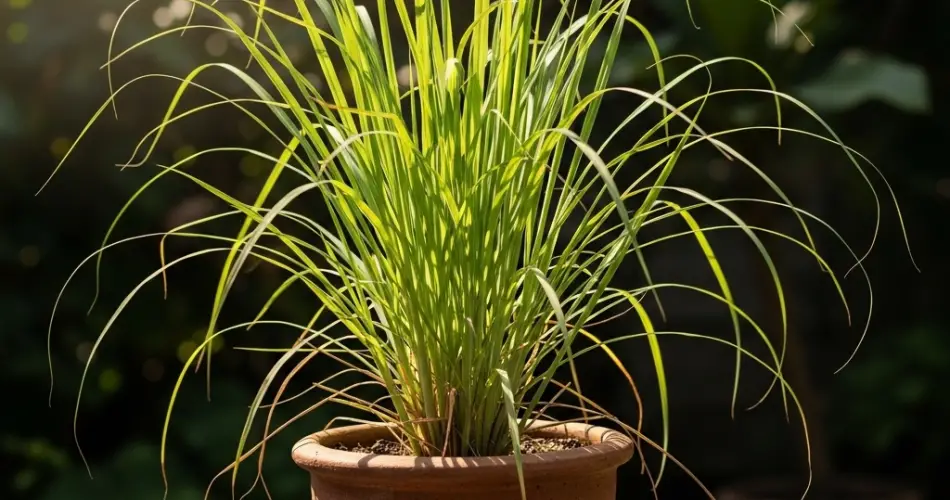
Lemongrass (Cymbopogon citratus) is a fragrant and versatile herb widely used in culinary dishes, teas, and herbal remedies. Its bright, citrusy flavor enhances soups, curries, stir-fries, and beverages, while its long, graceful stalks add a tropical touch to container gardens. Growing lemongrass in containers allows gardeners with limited space—balconies, patios, or small yards—to enjoy fresh, homegrown stalks year-round.
Container gardening offers numerous advantages for lemongrass cultivation. It provides control over soil quality, drainage, and sunlight exposure, and allows plants to be moved to protect them from extreme temperatures. Lemongrass grows vigorously in pots, and with proper care, it can produce lush stalks and aromatic leaves for months on end.
Selecting the Right Container
Choosing the proper container is essential for healthy lemongrass growth.
Size and Depth
Lemongrass develops thick clumps of stalks and extensive roots, so select a pot at least 12–15 inches deep and wide. Larger containers accommodate multiple stalks and encourage strong, healthy growth.
Material
Plastic, terracotta, or ceramic pots are suitable. Terracotta offers breathability and helps regulate soil moisture, while plastic is lightweight and easy to move. Choose a container that complements your outdoor space and allows room for root expansion.
Drainage
Well-draining soil is essential to prevent root rot. Ensure the container has ample drainage holes and consider adding a layer of gravel or small stones at the bottom for added protection.
Preparing Soil for Lemongrass
Lemongrass thrives in rich, well-draining soil. A high-quality potting mix blended with compost or organic matter provides the nutrients necessary for vigorous growth.
Soil Tips
-
Use a light, fertile potting mix that allows roots to expand freely.
-
Incorporate compost or aged organic matter to enhance fertility and retain moisture.
-
Avoid heavy or compacted soil that can restrict root development and stunt growth.
Well-prepared soil ensures healthy stalk production and lush foliage, supporting both culinary and decorative purposes.
Sunlight and Temperature Requirements
Lemongrass thrives in full sun and warm temperatures, making it ideal for sunny patios or balconies.
Sunlight Tips
-
Provide at least 6–8 hours of direct sunlight daily.
-
If growing indoors, place containers near a south- or west-facing window or use supplemental grow lights.
Temperature Considerations
Lemongrass prefers temperatures between 70–85°F (21–29°C). Container gardening allows you to relocate plants indoors or to sheltered areas during cold weather, ensuring year-round growth and vitality.
Watering Lemongrass
Lemongrass requires consistent moisture to grow thick, juicy stalks.
Watering Tips
-
Keep the soil evenly moist but not waterlogged.
-
Water thoroughly when the top inch of soil feels dry.
-
Containers can dry out quickly, especially in hot weather, so monitor moisture regularly.
Mulching around the base of the plant helps retain soil moisture and keeps the root system cool.
Fertilization and Care
Lemongrass benefits from periodic feeding to maintain vigorous growth.
Fertilization Tips
-
Apply a balanced, water-soluble fertilizer every 4–6 weeks during the growing season.
-
Organic fertilizers or compost can also be used to enhance soil fertility naturally.
Maintenance Practices
-
Remove dead or yellowing leaves to maintain plant health.
-
Divide clumps every 1–2 years to prevent overcrowding and encourage fresh growth.
-
Monitor for pests such as aphids and treat promptly if needed.
Routine care ensures strong, aromatic stalks and lush foliage throughout the growing season.
Propagating Lemongrass
Lemongrass can be propagated easily from stalks purchased at the grocery store:
-
Select healthy stalks with intact bases.
-
Place them in a shallow container of water until roots develop.
-
Once roots reach 1–2 inches, transplant the stalks into a prepared pot with fertile soil.
-
Keep soil moist and provide plenty of sunlight for robust growth.
Propagation from stalks is a simple and cost-effective way to multiply your lemongrass plants.
Harvesting Lemongrass
Lemongrass can be harvested once stalks are at least 12 inches tall:
-
Cut outer stalks at the base, leaving inner stalks to continue growing.
-
Harvest fronds as needed for cooking or teas.
-
Frequent harvesting encourages bushier growth and continuous production.
Freshly harvested lemongrass can be used immediately or stored in the refrigerator for short-term use.
Styling Your Lemongrass Container Garden
Lemongrass adds both functionality and visual appeal:
-
Use decorative pots to create a tropical look on patios or balconies.
-
Combine multiple herb containers to form a lush, aromatic herb garden.
-
Group with other tropical or culinary herbs for a vibrant, functional display.
Container-grown lemongrass transforms small spaces into fragrant, green retreats while providing fresh stalks at your fingertips.
Final Thoughts
Container gardening with lemongrass is an easy, rewarding way to enjoy fresh, aromatic stalks and foliage year-round. With the right container, well-draining soil, ample sunlight, and regular care, lemongrass thrives in small spaces, delivering both culinary and decorative benefits.
By following straightforward planting, watering, and maintenance practices, urban and small-space gardeners can cultivate lush, healthy lemongrass plants, bringing a tropical aroma and flavor to their home garden or kitchen.


