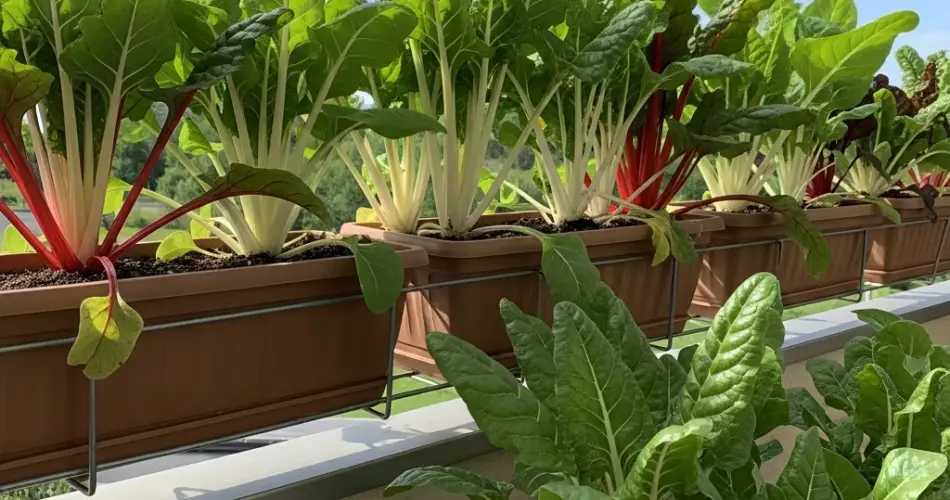
Swiss chard is a vibrant, nutritious leafy green that adds color to your garden and flavor to your plate. With its bold stems in shades of red, yellow, pink, and white, it’s as decorative as it is delicious. Even better, you don’t need a large garden plot to grow it. Swiss chard thrives in containers, making it perfect for balconies, patios, windowsills, and small urban spaces.
Whether you’re growing it for salads, sautés, or soups, Swiss chard is a resilient and productive crop that delivers stunning results with minimal effort. This guide will show you how to successfully grow Swiss chard in containers at home.
Why Choose Swiss Chard for Container Gardening?
Swiss chard is one of the best leafy greens for container growing. Here’s why it stands out:
-
Compact and decorative: Its colorful stalks and textured leaves make it a striking addition to any space.
-
Heat and cold tolerant: Chard can survive light frost and warmer weather better than spinach or lettuce.
-
Cut-and-come-again crop: You can harvest leaves continuously over many weeks.
-
Nutrient-dense: Packed with vitamins A, C, and K, as well as magnesium and iron.
-
Low-maintenance: Requires minimal care once established.
Choosing the Right Container
To grow healthy Swiss chard, choose a container that is at least 8–10 inches deep and 10–12 inches wide. Each plant needs about 6–8 inches of space, so if you’re planting multiple in one container, make sure there’s enough room for each one to grow.
Popular options include:
-
Plastic pots or buckets (with drainage holes)
-
Wooden planters
-
Fabric grow bags
-
Recycled containers like tubs or crates
Ensure your container has several drainage holes at the bottom to prevent waterlogging, which can cause root rot.
Ideal Soil Mix
Swiss chard prefers well-draining, nutrient-rich soil. A good mix includes:
-
1 part compost
-
1 part garden soil or potting mix
-
1 part coco peat or perlite for aeration
The soil should be slightly acidic to neutral (pH 6.0 to 7.0). Mix well and fill your container, leaving an inch or two from the top for easy watering.
Planting Swiss Chard
You can grow Swiss chard from seeds or seedlings. Here’s how:
From seeds:
-
Soak seeds in water for a few hours to speed up germination.
-
Sow them ½ inch deep, spacing them 2–3 inches apart.
-
Once the seedlings reach 3–4 inches tall, thin them to 6–8 inches apart.
From seedlings:
-
Dig a small hole for each plant.
-
Gently place the seedling in and firm the soil around the base.
Water immediately after planting, keeping the soil consistently moist until the plants are well established.
Light and Temperature
Swiss chard grows best in full sun but can tolerate partial shade. Aim for at least 4–6 hours of sunlight daily.
In hot climates, place containers where they’ll receive morning sun and afternoon shade. In cooler areas, choose the sunniest spot available.
Chard grows well in temperatures between 50°F and 75°F (10°C to 24°C), but it can handle both light frost and summer heat better than many other leafy greens.
Watering and Feeding
Chard needs consistent moisture to produce tender, flavorful leaves. Water regularly to keep the soil moist but not soggy. During hot or windy weather, check the soil daily.
Feed the plants every 2–3 weeks with diluted organic liquid fertilizer or compost tea to encourage strong, leafy growth. If the leaves appear pale or growth slows, a nutritional boost can help.
Mulch the soil surface with dry leaves, straw, or coco husk to retain moisture and suppress weeds.
Maintenance and Pest Control
Swiss chard is relatively resistant to pests, but you may occasionally see:
-
Aphids
-
Leaf miners
-
Slugs and snails
Check under leaves regularly and remove pests by hand or use neem oil spray for control. Keep the area around the containers clean and remove damaged leaves promptly.
Also, trim yellowing or older leaves to keep the plant healthy and encourage new growth.
Harvesting Swiss Chard
You can begin harvesting chard leaves when they’re about 6–8 inches long. Use scissors to cut the outer leaves about an inch above the soil, leaving the center of the plant intact. This allows new leaves to continue growing.
Regular harvesting promotes more leaf production. If you pick every few days, the plant will keep producing for months.
You can also harvest the entire plant when mature and replant new seeds in the same container after refreshing the soil.
Replanting for a Continuous Supply
To keep a constant supply of Swiss chard, sow new seeds every 3–4 weeks. This method, known as succession planting, ensures that as one plant slows down or bolts in warm weather, you’ll have another ready to take its place.
Chard grows best in spring and fall but can be grown in containers year-round in mild climates.
Final Tips for Stunning Container Chard
-
Use colorful varieties like ‘Bright Lights’ or ‘Rainbow Chard’ for visual appeal.
-
Keep containers raised or elevated to improve airflow and reduce pest risk.
-
Rotate the pots every few days for even sun exposure.
-
Water at the base of the plant to prevent fungal diseases.
Conclusion
Swiss chard is a vibrant, easy-to-grow green that adds beauty and nutrition to any container garden. With the right setup and regular care, you’ll enjoy continuous harvests of fresh, tender leaves—even without a traditional garden.
Whether you’re growing it on a balcony, windowsill, or doorstep, Swiss chard is a colorful and rewarding addition to your homegrown greens.


