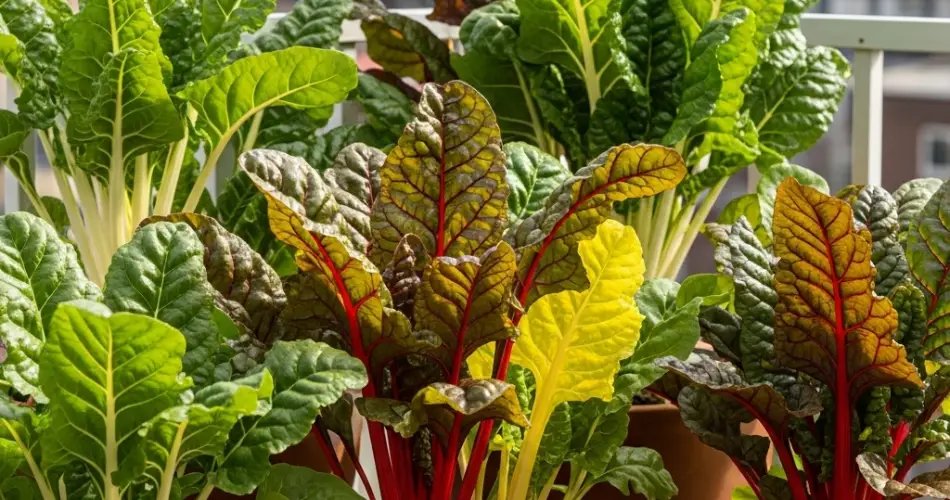
Swiss chard is a stunning, nutritious leafy green that brightens up any garden space with its vibrant stems and lush foliage. From deep reds and golden yellows to pure whites and vibrant greens, Swiss chard is as ornamental as it is edible. Best of all, it’s an ideal crop for container gardening. If you’re short on space or want to grow fresh greens on your balcony, porch, or windowsill, Swiss chard is a perfect choice.
Known for its tolerance to both warm and cool conditions, Swiss chard grows quickly and produces a continuous harvest throughout the season. Whether you’re a seasoned gardener or a beginner, you’ll find that this low-maintenance crop is both rewarding and beautiful.
Why Choose Swiss Chard for Containers?
Swiss chard has many characteristics that make it a perfect fit for container gardening:
-
Compact growth habit: While it can grow large, Swiss chard adapts well to pots and thrives in confined spaces.
-
Long harvest period: You can begin harvesting leaves early and continue for months.
-
Colorful appearance: The rainbow-colored stems make it both a culinary and decorative plant.
-
Heat and cold tolerance: Unlike spinach, Swiss chard resists bolting in warm weather and can tolerate light frost.
-
Nutritional value: Packed with vitamins A, C, and K, iron, and fiber, Swiss chard is a great addition to any diet.
Best Varieties for Containers
While all types of Swiss chard do well in containers, some popular varieties to consider include:
-
Bright Lights: Offers a rainbow of stem colors—pink, orange, red, yellow, and white.
-
Fordhook Giant: Has large green leaves and thick white stems; highly productive.
-
Ruby Red (or Rhubarb Chard): Features striking red stems and dark green leaves.
These varieties not only offer visual appeal but also grow well in confined spaces with proper care.
What You’ll Need
To grow Swiss chard in containers, gather the following supplies:
-
A container at least 8–10 inches deep and 12 inches wide
-
Well-draining potting mix enriched with compost
-
Swiss chard seeds or seedlings
-
Watering can or spray bottle
-
Organic fertilizer or compost tea
-
A sunny location (with 4–6 hours of light daily)
Preparing Your Container
Choose a pot with drainage holes at the bottom. You can use terracotta, plastic, fabric grow bags, or even recycled household containers. Fill the container with a nutrient-rich potting mix and mix in compost to ensure fertility.
Swiss chard thrives in slightly acidic to neutral soil (pH 6.0–7.0). Avoid using garden soil, which can become compacted and limit root growth.
Planting Swiss Chard
-
From Seeds: Sow seeds about ½ inch deep and 2–3 inches apart. You can thin the seedlings later to give them space to grow. Each seed cluster often contains multiple seeds, so expect several sprouts per hole.
-
From Seedlings: If using nursery plants or transplants, plant them 6–8 inches apart to allow for good air circulation.
Water the soil gently after planting and place the pot in a sunny spot. Swiss chard will germinate in 7–10 days and begins producing harvestable leaves within 4–6 weeks.
Caring for Swiss Chard in Pots
-
Sunlight: Chard grows best in full sun but tolerates partial shade. In hot climates, provide afternoon shade to prevent wilting.
-
Watering: Keep the soil consistently moist, especially during dry weather. Don’t let the soil dry out completely.
-
Feeding: Fertilize every 3–4 weeks with a balanced organic fertilizer or compost tea to support leaf production.
-
Thinning: Once seedlings are 3–4 inches tall, thin them to avoid overcrowding. The thinnings are edible and perfect for salads.
-
Mulching: Apply a light mulch to retain moisture and regulate soil temperature.
Pest and Disease Management
Swiss chard is generally hardy, but you might encounter pests such as:
-
Aphids: Spray with a mild soap solution or rinse off with water.
-
Leaf miners: Remove affected leaves and check the underside regularly.
-
Slugs and snails: Use natural deterrents or hand-pick during early morning hours.
Good airflow and regular harvesting can help prevent most disease problems.
Harvesting Swiss Chard
You can begin harvesting baby chard leaves when they are about 4–6 inches tall. For mature plants, snip off the outer leaves at the base, leaving the inner crown to continue producing. This cut-and-come-again approach encourages continual growth.
Swiss chard can be harvested weekly, and mature plants can keep producing for several months if well cared for.
Growing Tips for Success
-
Succession Planting: For a constant supply, sow new seeds every few weeks.
-
Rotate Containers: If your plant gets uneven sunlight, rotate the pot regularly.
-
Regrow Indoors: In colder months, you can bring the pot indoors to extend the growing season near a sunny window or under grow lights.
-
Combine with Flowers: Mix Swiss chard with marigolds or nasturtiums in decorative pots for an edible and ornamental container.
Final Thoughts
Swiss chard is a vibrant and nutritious leafy green that’s easy to grow in containers. With its colorful stems, long harvesting season, and low-maintenance needs, it’s a fantastic addition to any small-space garden. Whether you’re growing on a balcony, patio, or windowsill, Swiss chard adds both flavor and flair to your homegrown meals. With just a bit of care and attention, you can enjoy fresh, beautiful greens right at your fingertips.


