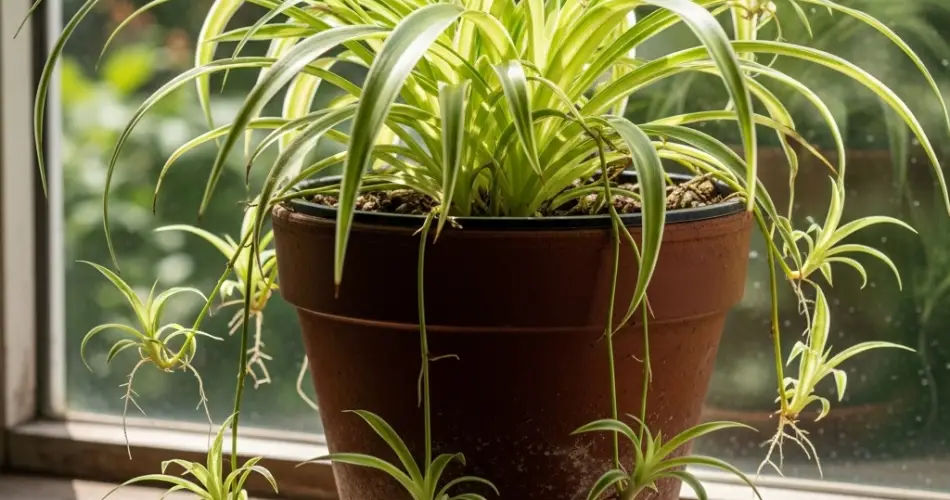
Spider plants (Chlorophytum comosum) are beloved for their resilience, attractive foliage, and charming plantlets that dangle gracefully from long stems. Whether you live in a spacious home or a small apartment, spider plants can thrive in almost any type of pot—as long as you provide the right conditions. This adaptability makes them one of the easiest houseplants for beginners and a reliable favorite for seasoned plant lovers.
If you’re ready to grow spider plants in any container you have on hand, here’s a detailed guide to ensure healthy growth and year-round beauty.
1. Choosing the Right Pot
While spider plants aren’t fussy about the type of pot, certain factors will help them grow better:
Drainage Matters Most
Whatever material or shape you choose, ensure the pot has drainage holes. Without them, excess water will sit in the soil, leading to root rot. If your decorative container doesn’t have holes, use it as a cachepot—place the spider plant in a smaller, well-draining inner pot and slip it inside.
Pot Materials to Consider
-
Plastic pots – Lightweight, affordable, and great for hanging displays.
-
Terracotta pots – Naturally porous, allowing the soil to dry out more evenly.
-
Ceramic pots – Stylish and durable, but heavier, making them stable for tabletop plants.
-
Baskets with liners – Add a natural, rustic charm; just ensure proper drainage.
2. The Best Soil for Any Pot
Spider plants grow best in a well-draining, nutrient-rich potting mix. A good choice is standard indoor potting soil with added perlite or coarse sand for better aeration. This combination prevents water from pooling around the roots.
If you’re reusing an old pot, clean it thoroughly before planting to prevent pests or disease from transferring to your spider plant.
3. Light Requirements
These plants prefer bright, indirect light, which keeps their leaves vibrant and encourages the production of plantlets. An east- or north-facing window is ideal. If using a darker pot in a shady spot, monitor the plant’s growth—spider plants can adapt to lower light but may lose some leaf variegation or grow more slowly.
Avoid prolonged direct midday sun, especially for plants in dark ceramic or metal pots, as the container can heat up and stress the roots.
4. Watering Tips for Different Pot Types
Watering habits should match your pot’s drainage and material.
-
Plastic pots retain moisture longer, so water less often.
-
Terracotta pots dry out faster, meaning more frequent watering may be needed.
-
Hanging pots may dry more quickly because of increased air circulation.
Check soil moisture by sticking your finger about an inch deep. If it feels dry, it’s time to water. Always water thoroughly until it drains from the bottom, and empty any excess from saucers or cachepots.
5. Feeding Your Spider Plant
During the growing season (spring through early autumn), feed every 4–6 weeks with a balanced liquid houseplant fertilizer. Reduce feeding in winter when growth slows. Overfertilizing—especially in smaller pots—can cause leaf tip burn, so always dilute fertilizer according to instructions.
6. Repotting for Health and Growth
Spider plants have thick, tuber-like roots that store water and nutrients. Over time, these roots can fill the pot, causing the plant to become root-bound. Signs include slowed growth, frequent wilting, or roots growing out of drainage holes.
To repot:
-
Choose a pot just 1–2 inches wider than the current one.
-
Gently loosen the roots and remove any dead ones.
-
Replant in fresh, well-draining soil.
This is also a good time to divide the plant if you want to create more pots of spider plants.
7. Propagating from Plantlets
One of the most delightful aspects of spider plants is their ability to produce small plantlets on long stems. You can leave them attached for a fuller look or propagate them to grow new plants.
To propagate:
-
Place plantlets in water until roots develop, or
-
Plant directly into moist soil in a small pot.
Both methods work well, making spider plants perfect for sharing with friends or expanding your indoor garden.
8. Styling Ideas for Any Pot
Spider plants can fit into almost any décor style:
-
Minimalist homes – White ceramic pots with clean lines.
-
Rustic spaces – Terracotta or woven baskets.
-
Modern interiors – Sleek metal planters or geometric designs.
-
Bohemian looks – Colorful pots paired with macramé hangers.
Mixing pot styles in different rooms can create a cohesive yet varied indoor plant collection.
9. Common Issues and How to Avoid Them
-
Brown leaf tips – Often caused by fluoride or chlorine in tap water; use filtered or rainwater.
-
Drooping leaves – Usually from underwatering; adjust your schedule.
-
Pale foliage – Could be from low light or nutrient deficiency; move the plant or feed it.
Spider plants are hardy and usually bounce back quickly once problems are addressed.
10. Final Thoughts
Growing spider plants in any pot is all about balancing good drainage, proper watering, and adequate light. Their forgiving nature makes them a great plant for experimenting with different container styles, from hanging baskets to elegant ceramic pots. With minimal care, they reward you with lush, arching leaves and adorable plantlets that keep your indoor garden lively and inviting all year round


