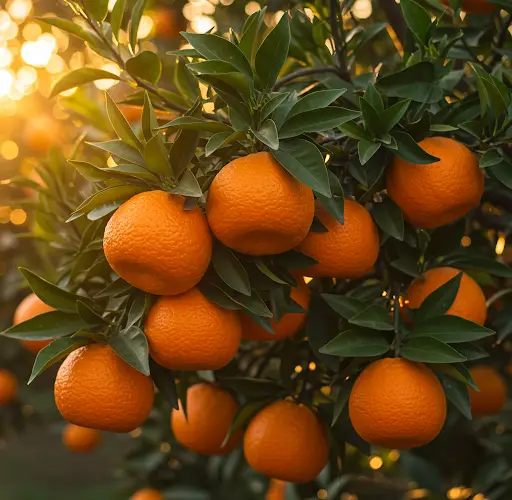
The Easiest Way to Propagate Fruit Trees from Cuttings
Propagating fruit trees from cuttings is one of the most effective and simplest methods to grow new plants. This technique, known as “cutting propagation,” ensures a high success rate and allows gardeners to cultivate new trees efficiently. Here’s a step-by-step guide on how to do it using a simple and natural method.
Materials Needed:
- A healthy branch from a fruit tree
- A sharp pair of pruning shears or a knife
- A ripe banana
- A plastic bottle (PET bottle)
- Potting soil
- Water
Step 1: Selecting and Preparing the Cutting
Choose a healthy branch from the tree you want to propagate. Ideally, it should be semi-hardwood (not too young and flexible, but not too old and woody). Cut a section about 6 to 8 inches long, ensuring it has at least 2-3 nodes (the points where leaves emerge).
Step 2: Removing Excess Leaves
Using pruning shears, trim off excess leaves from the cutting. This prevents the plant from losing too much moisture and allows it to focus energy on root development.
Step 3: Cutting the Base at an Angle
Make a diagonal cut at the bottom of the cutting. This increases the surface area for root growth and improves nutrient absorption. Lightly scrape off the outer bark at the base to expose more of the inner tissue, which encourages root formation.
Step 4: Using Banana as a Natural Rooting Agent
Instead of synthetic rooting hormones, a banana can be used as a natural stimulant for root growth. Bananas contain essential nutrients that support root development.
- Cut a small slit in the banana and insert the base of the cutting into it.
- Ensure that at least one node is exposed for root development while the rest remains inside the banana.
Step 5: Planting the Cutting
Prepare a pot with well-draining potting soil. Make a hole in the soil and insert the banana with the cutting attached. Firmly press the soil around it to secure the cutting in place.
Step 6: Watering the Cutting
Water the soil generously until it is moist but not waterlogged. Proper hydration is essential for root development.
Step 7: Creating a Mini Greenhouse
To maintain humidity and create an ideal environment for root growth, cover the cutting with a plastic bottle:
- Cut the bottom off a PET bottle and place it over the cutting.
- This helps retain moisture and accelerates the rooting process.
Step 8: Placement and Maintenance
- Keep the pot in a shaded area with indirect sunlight.
- Avoid placing it in direct sun, as excessive heat can dry out the cutting.
- Water the cutting every 3-4 days to keep the soil moist but not soggy.
Step 9: Monitoring Growth
After about 30 days, new growth should start to appear. This is a sign that the cutting has successfully developed roots. You can gently tug the cutting to check for resistance, which indicates root formation.
Step 10: Transplanting the Cutting
Once the new plant has developed strong roots and shows consistent growth, it can be transplanted into a larger pot or directly into the ground.
Final Thoughts
Using a banana as a natural rooting agent is an innovative, chemical-free way to promote root growth. This method is simple, effective, and sustainable. In just a month, you can have a new fruit tree sapling ready for transplanting!
By following these steps, you can propagate fruit trees effortlessly and enjoy a bountiful garden. Give it a try and watch your plants thrive!


