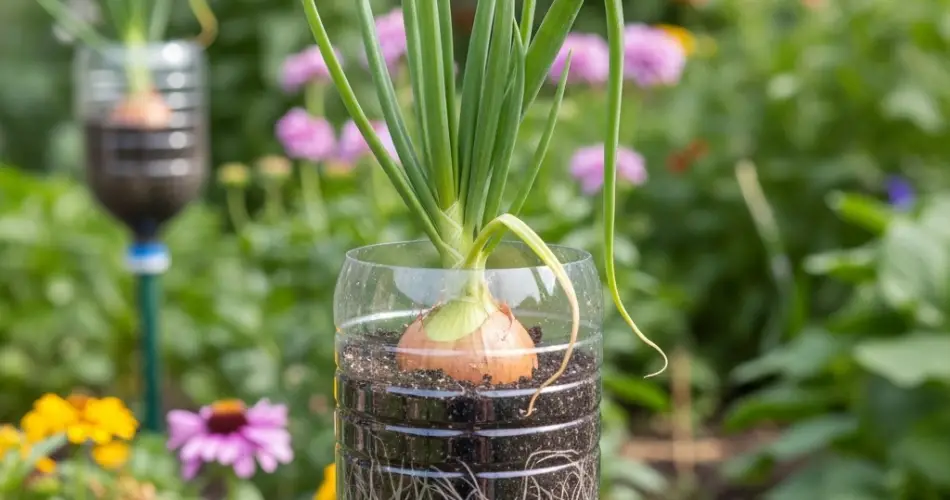
Onions are one of the most widely used vegetables in cooking, offering a bold flavor and nutritional benefits. Whether you enjoy the sharp tang of green onions or the earthy richness of mature onion bulbs, you can grow both easily at home—even without a garden. Plastic containers, including repurposed bottles and tubs, provide an efficient and sustainable solution for growing onions in small spaces like balconies, patios, and windowsills.
This guide shows how to grow both green (scallions) and bulb onions in plastic containers with simple steps, making it ideal for beginners and urban gardeners.
Why Use Plastic Containers?
Plastic containers are lightweight, readily available, and easy to repurpose. Rather than throwing them away, you can turn them into practical growing vessels for vegetables like onions. They allow you to control soil conditions, conserve water, and grow food even in tight urban spaces.
Benefits of using plastic containers for onion gardening:
-
Reuses household waste
-
Saves space and money
-
Easy to manage for all skill levels
-
Suitable for indoor and outdoor growing
-
Allows staggered or year-round planting
Choosing Between Green and Bulb Onions
Before planting, decide what type of onions you want to grow:
-
Green Onions (Scallions): These are harvested for their tender green shoots and mild flavor. They grow quickly and are ideal for repeated harvesting.
-
Bulb Onions: These require more time to mature and a bit more space, but reward you with flavorful, long-lasting bulbs.
You can grow both types in plastic containers by selecting the right variety and spacing them properly.
Best Onion Varieties for Containers
Look for compact or fast-growing varieties suited for containers:
-
Green onions: White Lisbon, Evergreen Bunching, Tokyo Long White
-
Bulb onions: Red Creole, Borettana, Yellow Globe, or small-sized heirlooms
Choose seeds or sets (small onion bulbs) from reputable sources. Avoid using grocery store onions unless they are organic and untreated.
What You’ll Need
-
Clean plastic containers or bottles (depth: at least 6–8 inches)
-
Potting mix with good drainage
-
Compost or organic fertilizer
-
Onion seeds or sets
-
A small trowel or spoon
-
A sunny location (minimum 5–6 hours of sun daily)
-
Optional: mulch, plant labels, watering can
Preparing the Container
-
Clean and Cut
Wash your chosen plastic container thoroughly. For bottles, cut off the top portion to create an open planter. For tubs or bins, make sure there’s enough depth for root growth. -
Add Drainage Holes
Poke 4–6 holes in the bottom to allow excess water to drain. This prevents root rot and soggy soil conditions. -
Fill with Potting Mix
Use a mix of high-quality potting soil and compost. Onions prefer loose, well-drained soil rich in organic matter. Leave an inch of space from the top rim.
Planting Green Onions
-
Seeds: Sow seeds ¼ inch deep and 1 inch apart. Lightly cover with soil.
-
Sets: Push sets into the soil root-side down, leaving the tip visible above the surface.
-
Watering: Moisten the soil thoroughly after planting.
-
Harvesting: Cut greens when they reach 6–8 inches tall. Leave the base intact for regrowth.
Green onions are ready to harvest in about 3–4 weeks. You can continue harvesting the same plant multiple times if you don’t remove the entire base.
Planting Bulb Onions
-
Spacing: Place sets or seeds 3–4 inches apart to allow room for bulb formation.
-
Depth: Sets should be buried just deep enough to cover the base, with the tip above the soil.
-
Watering: Keep the soil evenly moist but not waterlogged.
-
Sunlight: Ensure your container receives at least 6 hours of full sun daily.
-
Fertilizing: Feed with a balanced organic fertilizer every 2–3 weeks during growth.
Bulb onions take about 90–120 days to mature, depending on the variety. Stop watering once the green tops begin to yellow and fall over—this is a sign that the bulbs are ready to harvest.
Harvesting and Storage
-
Green Onions: Snip with scissors as needed. New shoots will grow back in a couple of weeks.
-
Bulb Onions: Once the tops have fallen and the bulbs have matured, gently pull them from the soil. Let them cure in a dry, shady area for 1–2 weeks before storing.
Cured onions can last for several weeks or even months in a cool, dry place.
Tips for Success
-
Use wide containers for bulb onions to ensure proper spacing.
-
Label containers with planting dates and variety names.
-
Rotate crops every few months to refresh the soil and reduce disease.
-
Mulch the surface to retain moisture and suppress weeds.
-
Stagger your planting every few weeks for a continuous harvest of greens.
Final Thoughts
Growing onions in plastic containers is a practical and eco-friendly way to enjoy fresh, flavorful produce from your own home. Whether you’re slicing green tops for a quick garnish or harvesting full bulbs for cooking, container-grown onions deliver taste and satisfaction with minimal effort. All it takes is a little sun, water, and care—and even the smallest space can become a productive kitchen garden.


