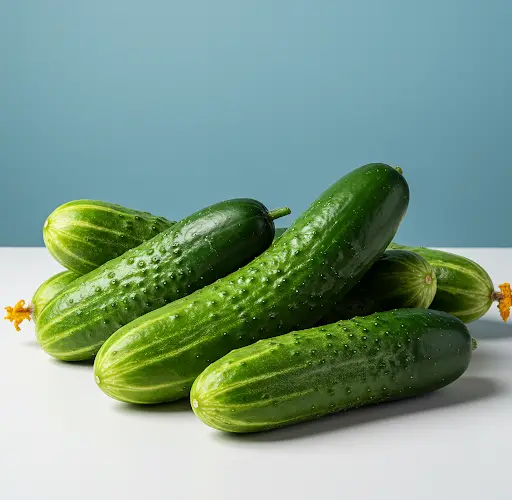
Cucumbers are one of the easiest and most satisfying vegetables to grow at home, especially for beginners. With a fresh, crisp taste and plenty of hydration benefits, cucumbers are a staple in many home gardens. Even if you’re short on space, you can grow cucumbers from seeds in your backyard, balcony, or even indoors with the help of a simple cucumber dome setup.
This method is perfect for beginners looking to grow cucumbers with minimal resources, using everyday materials to create a productive growing system. Let’s explore how to grow cucumbers at home from seeds and how to use a dome structure to support and protect your plants as they thrive.
Why Grow Cucumbers at Home?
There are several reasons to start growing cucumbers yourself:
-
Freshness: Homegrown cucumbers taste better and are free of harmful pesticides.
-
Space-saving: You can grow them vertically or in domes even in tight areas.
-
Continuous harvest: With proper care, cucumber plants can yield for several weeks.
-
Low cost: Growing from seeds is affordable, especially using recycled materials.
Materials You Will Need
To grow cucumbers using the dome method, gather the following:
-
Cucumber seeds (choose a variety suited to your climate—bush or vining types)
-
Seed-starting trays or small pots
-
Potting soil or a homemade compost mix
-
Large container or planting bed (at least 12–18 inches deep)
-
Dome structure (you can make this using curved PVC pipes, bamboo sticks, or wire hoops)
-
Transparent plastic sheet (to cover the dome)
-
Organic fertilizer or compost
-
Watering can or spray bottle
Step 1: Starting Cucumber Seeds
Cucumbers grow quickly from seeds and don’t require transplanting if sown directly into their final container. However, starting them indoors gives you a head start and better germination control.
-
Fill seed trays or small pots with moist potting mix.
-
Plant seeds ½ inch deep, one per pot.
-
Keep them warm—ideally 70–85°F (21–29°C)—and water gently until germination.
-
Seeds will sprout in 5–10 days. Once seedlings have 2–3 true leaves, they’re ready to transplant.
If you’re sowing directly outdoors, wait until the soil temperature is at least 60°F (16°C).
Step 2: Setting Up the Planting Area and Dome
Choose a sunny location that receives 6–8 hours of direct sunlight per day.
-
Prepare the soil: Mix compost into your garden bed or container for added nutrition.
-
Build the dome: Use flexible materials (like PVC, bamboo, or wire) to form an arch over your planting area.
-
Cover the dome with transparent plastic to protect the seedlings from wind, cold, or heavy rain—this creates a greenhouse-like environment that speeds growth.
Leave small openings or flaps for air circulation and easy access to your plants.
Step 3: Transplanting Seedlings
Once your seedlings are 3–4 inches tall, transplant them into the soil inside the dome.
-
Spacing: Space plants about 12–18 inches apart to allow room for growth and airflow.
-
Water well after transplanting to reduce stress and help roots settle.
If you’re growing in containers, ensure good drainage and avoid overcrowding.
Step 4: Caring for Your Cucumber Plants
Watering
Keep the soil consistently moist, especially during flowering and fruit development. Avoid overhead watering to prevent leaf diseases—water at the base.
Feeding
Fertilize with organic compost, banana peel fertilizer, or diluted fish emulsion every 2–3 weeks. A balanced NPK ratio (Nitrogen-Phosphorus-Potassium) supports healthy leaves and fruit production.
Training and Support
As your cucumbers grow, use vertical strings, stakes, or mesh inside the dome to train vines upward. This saves space, improves air circulation, and makes harvesting easier.
Step 5: Managing the Dome
-
Open the dome flaps during hot days to avoid overheating.
-
Close it during cold nights, rainstorms, or when pests are present.
-
As the weather warms and plants mature, you can remove the dome entirely if desired.
The dome acts as a mini greenhouse, helping young plants grow faster and more robustly while reducing pest issues.
Step 6: Pollination and Flowering
Cucumbers have both male and female flowers. Pollinators like bees usually handle the job, but in case they’re absent, hand-pollination ensures fruit development.
-
To hand-pollinate: Use a soft brush or cotton swab to transfer pollen from male to female flowers.
Female flowers are easy to identify—they have a small swelling (baby cucumber) behind the bloom.
Harvesting Cucumbers
Cucumbers are ready to harvest about 50–70 days after planting, depending on the variety. Pick fruits when they’re firm, green, and about 6–8 inches long (for slicing types) or smaller for pickling types.
-
Harvest regularly to encourage continued fruiting.
-
Avoid letting cucumbers over-ripen on the vine, as this reduces productivity.
Final Thoughts
Growing cucumbers at home from seeds is a fun and rewarding experience, especially for beginners. With the addition of a cucumber dome, you can extend the growing season, improve early growth, and protect your plants from pests and harsh weather.
This low-cost, space-efficient method is perfect for anyone looking to grow fresh cucumbers on a balcony, rooftop, or backyard. With a little care and patience, you’ll enjoy a bountiful harvest of crispy, delicious cucumbers right from your home garden.


