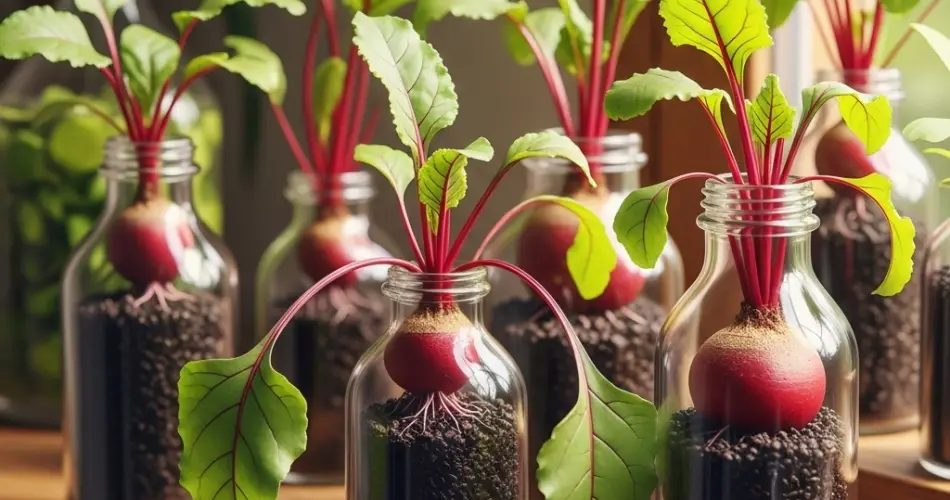
Beets are a nutritious and versatile root vegetable that many gardeners enjoy cultivating at home. While most people grow beets from seeds, it is also possible to propagate them from cuttings using a simple and sustainable method: bottle propagation. This technique is particularly useful for small-space gardening, urban homes, or anyone looking to experiment with a creative and eco-friendly way to regrow food. By using plastic bottles, you not only recycle materials but also create a controlled environment that supports healthy root and leaf development.
Why Propagate Beets from Cuttings?
Propagating beets from cuttings allows you to make the most of kitchen scraps and extend the life of your produce. Instead of discarding beet tops, you can use them to grow fresh greens or even encourage new root growth. This method is especially appealing for home gardeners who do not have access to a large plot of soil. With just a bottle and some water, you can create a small indoor garden that produces fresh, edible greens all year round.
Another advantage is that beet cuttings grow quickly. The leafy tops regenerate within a few days, and while regrowing full beet roots from cuttings is more challenging, you can still enjoy a continuous supply of beet leaves for salads, soups, and sautés.
Materials You Will Need
To start bottle propagation for beets, gather the following materials:
-
Fresh beet tops with about 2–3 inches of the root base still attached
-
A clean plastic bottle (1–2 liters works best)
-
A sharp knife or scissors
-
Fresh water
-
Optional: nutrient-rich liquid fertilizer for healthier growth
Preparing the Bottle
-
Take a plastic bottle and cut it in half horizontally.
-
Keep both sections, as you will use the bottom to hold water and the top part to support the beet cutting.
-
Invert the top half of the bottle and place it into the bottom half, creating a funnel-like structure. This design allows the beet cutting to sit securely while the base touches the water.
Alternatively, you can simply use the bottom half of the bottle filled with water if you prefer a simpler approach.
Preparing the Beet Cuttings
-
Select a fresh beet from your kitchen or market. Cut off the leafy tops, leaving about 2–3 inches of the root attached. This base is where new growth will emerge.
-
Rinse the cuttings thoroughly to remove any dirt or debris.
-
Place the cuttings into the inverted bottle top or directly into the water-filled base, making sure that only the root portion is submerged while the leafy section remains above water.
Rooting and Leaf Growth
Once the cuttings are set in the bottle, place them in a location with bright, indirect sunlight. A windowsill or balcony works perfectly. Within a few days, you will notice small green shoots emerging from the top of the cutting. Roots may also begin to grow from the submerged portion.
Change the water every 2–3 days to prevent stagnation and bacteria buildup. Fresh water ensures oxygen circulation, which is vital for healthy root development. If you wish to boost growth, add a few drops of liquid fertilizer every two weeks.
Transitioning to Soil
While beet greens will thrive in water alone, transferring your propagated cuttings into soil offers more robust growth and a chance of developing new beet roots. After 2–3 weeks in water, when roots are well established, you can move the cutting into a pot or garden bed filled with loose, well-draining soil.
To transplant:
-
Prepare a container with nutrient-rich potting soil.
-
Make a hole deep enough to accommodate the rooted cutting.
-
Gently place the cutting in the soil and cover the roots, keeping the leafy portion above ground.
-
Water thoroughly and place the container in a sunny location.
With proper care, you may see both leafy greens and small root development over time.
Care and Maintenance
-
Light: Ensure the plant gets 4–6 hours of sunlight daily.
-
Watering: Keep the soil consistently moist but not soggy.
-
Fertilizer: Apply organic compost or liquid fertilizer monthly to enrich growth.
-
Harvesting: You can begin harvesting beet greens within 4–6 weeks. Snip the outer leaves regularly, leaving the inner ones to continue growing.
Benefits of Bottle Propagation
-
Eco-friendly: Repurposes plastic bottles and reduces kitchen waste.
-
Space-saving: Perfect for balconies, windowsills, or small gardens.
-
Fresh supply: Provides a continuous harvest of nutritious beet greens.
-
Beginner-friendly: Requires minimal tools and effort, making it suitable for first-time gardeners.
Conclusion
Growing beets from cuttings using bottle propagation is a simple, sustainable, and rewarding method that anyone can try at home. Not only does it provide a fresh source of beet greens, but it also reduces waste and gives a second life to both your kitchen scraps and discarded plastic bottles. With a little patience and care, you can enjoy a thriving mini-garden of beets right on your windowsill.


