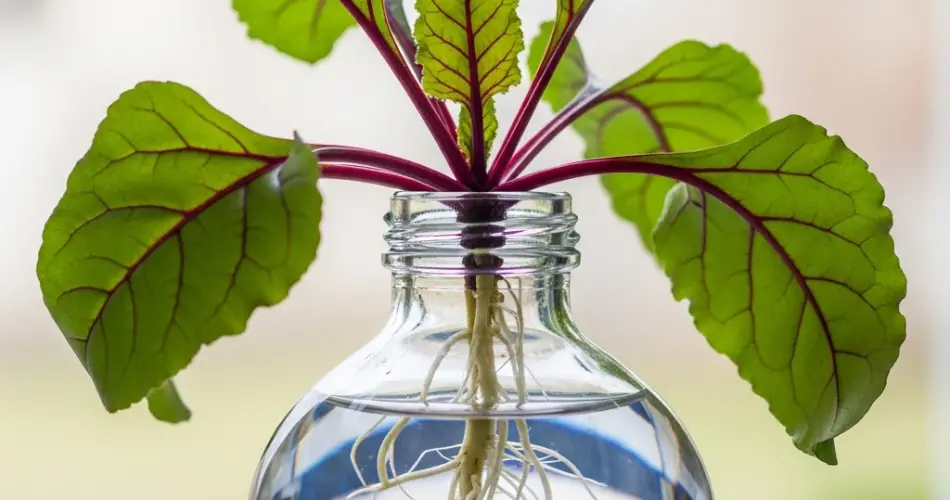
Growing beets is one of the most rewarding experiences in the vegetable garden. These root crops are nutritious, colorful, and versatile in the kitchen. However, one of the biggest challenges gardeners face with beets is ensuring strong germination, especially during unpredictable early-season weather. Cold nights, heavy rains, or sudden dry spells can all interfere with young seedlings. An easy, low-cost solution is to use recycled plastic bottles as protective domes during the germination phase. This simple method creates a microclimate for your seeds, boosting germination rates and giving seedlings a head start.
Why Beets Benefit from Bottle Domes
Beet seeds germinate best in soil temperatures between 10°C and 24°C (50°F–75°F). In early spring or during fluctuating weather, the soil may still be too cool, slowing germination and leaving seeds vulnerable to rot or pests. Bottle domes trap warmth and moisture around the seeds, functioning like mini-greenhouses. They also protect emerging seedlings from heavy rain, birds, and sudden drops in temperature. By providing a stable environment, bottle domes help young beets establish stronger root systems, which leads to healthier plants and higher yields later in the season.
Preparing the Soil
Before sowing beet seeds, select a sunny location with loose, well-draining soil. Beets prefer sandy or loamy soil that is free of large stones, as these can deform root growth. Work in compost or well-rotted manure to enrich the soil with nutrients. Avoid excessive nitrogen, since it encourages leafy tops at the expense of the roots. Level the soil surface and draw shallow rows about 2 cm (¾ inch) deep. Space rows at least 20 cm (8 inches) apart to allow room for growth and airflow.
Cutting and Preparing Bottle Domes
To make bottle domes, use clear plastic bottles such as water or soda bottles. Wash them thoroughly and remove any labels so that maximum light can reach the seedlings. Using a sharp knife or scissors, cut the bottom off each bottle. The top part with the cap will act as the dome. When inverted over the soil, it will trap heat and humidity while still letting in light. You can leave the cap on during cooler nights to retain warmth, then remove or loosen it during the day to allow ventilation. This prevents excessive heat buildup and discourages fungal growth.
Sowing Seeds and Using Domes
Place beet seeds into the prepared rows, sowing them about 2.5 cm (1 inch) apart. Cover lightly with soil and water gently. Immediately after sowing, position the bottle domes over the seed rows. Push the cut edges of the bottles slightly into the soil so they stay secure, especially against wind. Each dome can cover a small cluster of seeds. If you are sowing in longer rows, you can place domes in intervals or use larger bottles to cover more ground.
Care During Germination
With the domes in place, check soil moisture regularly. The enclosed environment reduces evaporation, but beets still need consistent moisture for germination. If condensation builds up heavily inside the bottles, remove the caps for a few hours to improve airflow. Once seedlings appear, continue adjusting ventilation daily, particularly on warm sunny days. Seedlings that grow in a humid, stagnant environment are more prone to damping-off disease, so it’s important to strike a balance between warmth and airflow.
Removing the Domes
After about 10 to 14 days, beet seedlings should emerge strong enough to withstand outdoor conditions. At this stage, you can begin gradually removing the domes. Start by lifting them off for a few hours during the day and replacing them at night. After two to three days of hardening off, the seedlings can remain uncovered permanently. By this time, the weather is usually milder and the beets are better established.
Thinning and Maintenance
Once seedlings reach about 5 cm (2 inches) tall, thin them to about 10 cm (4 inches) apart. This spacing ensures that each beet has enough room to develop into a plump root. The thinned seedlings can be eaten as microgreens or added to salads. Keep the bed weed-free and water consistently, especially during dry spells, as uneven watering can lead to woody or cracked roots.
Advantages of Bottle Domes
Using bottle domes for beet germination is a sustainable and cost-effective technique. Instead of buying seed-starting equipment or waiting for ideal weather, gardeners can recycle everyday materials to improve success rates. The domes not only protect young plants from harsh weather but also deter birds, slugs, and other pests during the vulnerable germination stage. Additionally, this method works for other crops such as carrots, lettuce, and radishes, making it a versatile solution for small-scale gardens.
Conclusion
Beets thrive when given the right conditions from the start. With bottle domes, gardeners can extend the growing season, overcome early-spring challenges, and enjoy more reliable germination. This simple yet effective technique transforms discarded bottles into valuable tools for the garden, reducing waste while producing healthy, vibrant crops. Whether you are a beginner or an experienced gardener, bottle domes offer an easy way to ensure that your beet seeds sprout strong and your harvest is abundant.


