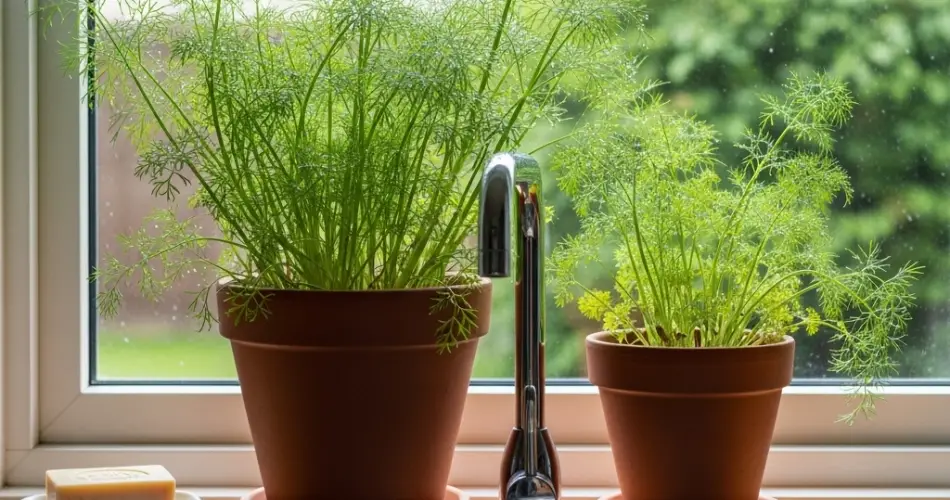
Dill is a fragrant, feathery herb treasured for its fresh, slightly tangy flavor that complements a wide variety of dishes, from pickles and salads to seafood and soups. Having fresh dill growing on your kitchen counter means you can harvest snips of this flavorful herb whenever you need, adding a burst of freshness and aroma to your cooking without leaving your kitchen.
This article provides practical tips to successfully grow dill indoors on your kitchen counter, ensuring you have a steady supply of fresh herbs year-round.
Why Grow Dill on Your Kitchen Counter?
Growing dill indoors near your cooking area offers several advantages:
-
Convenience: Snip fresh dill leaves instantly as you prepare meals.
-
Year-Round Harvest: Indoor growing eliminates seasonal limits.
-
Space Saving: Perfect for small kitchens or apartments without garden space.
-
Aesthetic Value: Dill’s delicate foliage adds greenery and elegance to your kitchen.
-
Aromatherapy: Its fresh scent brightens your kitchen environment.
Choosing the Right Container
Selecting the right pot is important for healthy dill growth:
-
Size: Dill has a relatively deep root system; choose a pot at least 8 to 10 inches deep and about 8 to 12 inches wide.
-
Material: Terracotta pots are ideal for their breathability, but plastic or ceramic pots with good drainage also work.
-
Drainage: Ensure the container has adequate drainage holes to prevent waterlogging.
Soil Requirements
Dill prefers well-draining, nutrient-rich soil:
-
Use a quality potting mix enriched with compost or organic matter.
-
Avoid heavy, clay soils that retain excessive moisture.
Starting Dill Indoors
Dill is most easily started from seeds:
-
Sow seeds about 1/4 inch deep in moist soil.
-
Keep the soil consistently moist but not waterlogged.
-
Seeds typically germinate within 7 to 14 days.
-
Thin seedlings to 6 to 8 inches apart to prevent overcrowding.
Light Requirements
Dill thrives in bright light:
-
Place your pot near a south- or west-facing window where it receives at least 6 hours of direct sunlight daily.
-
Supplement with grow lights for 12 to 14 hours per day if natural light is insufficient.
Watering and Humidity
Maintaining proper moisture is crucial for dill:
-
Water when the top inch of soil feels dry.
-
Avoid overwatering to prevent root rot.
-
Dill prefers average indoor humidity; mist occasionally if air is very dry.
Fertilizing Dill
Dill benefits from light feeding:
-
Use a balanced, water-soluble fertilizer diluted to half strength every 4 weeks during the growing season.
-
Avoid over-fertilizing, which can reduce the herb’s flavor intensity.
Harvesting Dill
-
Begin harvesting dill leaves once plants reach about 6 to 8 inches tall.
-
Snip leaves or delicate stems as needed, cutting just above a leaf node.
-
Harvest regularly to encourage fresh growth and delay flowering.
-
Dill flowers can also be harvested and used as decorative garnishes or to collect seeds.
Common Challenges and Solutions
-
Leggy Growth: Usually due to insufficient light; increase light exposure or add grow lights.
-
Yellowing Leaves: May indicate overwatering or poor drainage; adjust watering accordingly.
-
Pests: Dill is relatively pest-resistant but may occasionally attract aphids; treat with insecticidal soap if necessary.
-
Bolting: Dill tends to flower quickly in warm conditions; keep indoor temperature moderate and harvest often to prolong leaf production.
Benefits of Growing Dill Indoors
-
Freshness: Enjoy fresh dill harvested moments before use.
-
Health: Dill is rich in antioxidants and vitamins.
-
Decor: Adds delicate, feathery greenery to your kitchen.
-
Sustainability: Growing your own herbs reduces waste and frequent shopping trips.
Conclusion
Growing dill on your kitchen counter is an easy and rewarding way to have fresh herbs at your fingertips year-round. With the right container, ample light, well-draining soil, and proper watering and harvesting techniques, your indoor dill plants will thrive.
Whether you’re adding fresh flavor to salads, pickles, or fish dishes, having fresh dill just a snip away elevates your cooking and brightens your kitchen environment with its delightful aroma and look.