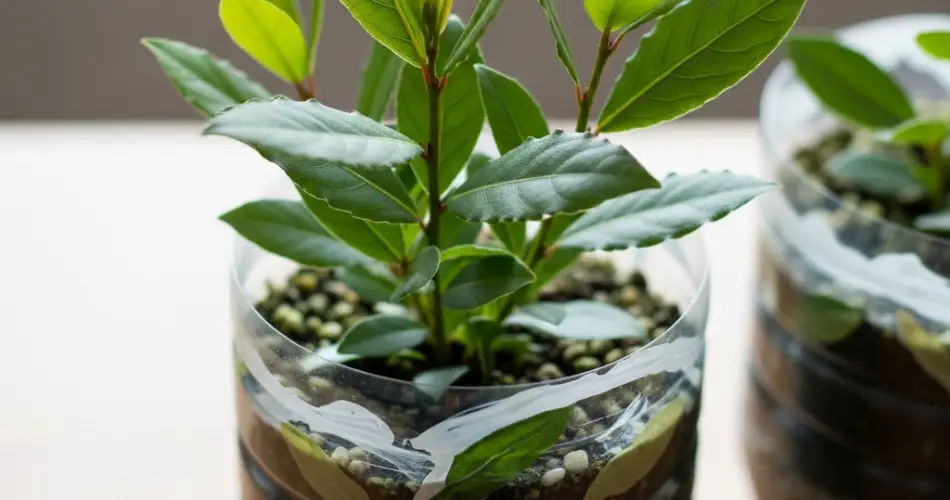
Bay leaf, also known as bay laurel (Laurus nobilis), is a fragrant evergreen herb prized for its culinary uses. Its glossy green leaves are commonly added to soups, stews, sauces, and marinades to impart a rich, savory aroma. While bay trees are often seen in large gardens or as ornamental shrubs, they can also thrive in containers—including large upcycled plastic bottles. With the right setup, bay trees can grow indoors or on patios, bringing both elegance and flavor to your home.
Growing a bay tree in a large plastic bottle planter is not only a space-saving solution, but also a sustainable gardening project that makes use of common household waste. Whether you’re looking to start a balcony herb garden or simply want a fresh supply of bay leaves within arm’s reach, this method offers an easy and cost-effective way to grow your own bay laurel.
Why Use a Plastic Bottle Planter?
Repurposing a plastic bottle as a planter is an excellent way to recycle while also cultivating plants in tight spaces. Bay trees are slow growers and adapt well to container life, especially when their roots are confined. A deep, wide plastic bottle planter gives the plant adequate room for root development without overwhelming your growing space.
Benefits of growing bay in a plastic bottle include:
-
Upcycles plastic waste into a useful garden container
-
Requires less space than traditional pots or garden beds
-
Allows for easy relocation indoors or outdoors
-
Controls soil conditions more effectively
-
Reduces gardening costs with a DIY approach
With good drainage, proper pruning, and sunlight, a bay tree can thrive in this creative container garden for many years.
What You’ll Need
To get started, gather the following supplies:
-
A large plastic bottle (preferably 5-liter or larger)
-
Scissors or utility knife
-
Quality potting mix with good drainage
-
A bay tree seedling or young plant
-
Pebbles or mesh for drainage (optional)
-
Watering can
-
A tray or saucer to catch runoff water
Preparing the Bottle Planter
Bay trees need deep soil and excellent drainage. Choose the largest plastic bottle available—water jugs or cooking oil containers work well. Horizontal growing containers (cut lengthwise) are not recommended for this plant, as the roots prefer vertical depth.
Steps to prepare the container:
-
Clean the bottle thoroughly and remove labels.
-
Cut off the top quarter of the bottle using scissors or a knife, leaving a deep planting chamber.
-
Poke drainage holes in the bottom to prevent water accumulation.
-
Add a layer of pebbles or mesh to the bottom to improve drainage (optional but helpful).
-
Fill the bottle with potting mix, leaving about 2 inches from the top.
Use a soil mix that contains perlite, sand, or compost to ensure proper aeration and moisture control.
Planting Your Bay Tree
Bay trees are typically grown from cuttings or purchased as small potted plants. Seeds can be slow to germinate and are more difficult for beginners.
-
Transplant your seedling gently into the prepared bottle, ensuring the root ball is well centered and level with the soil surface.
-
Firm the soil gently around the base and water lightly to help it settle.
-
Place the planter in a bright location with good air circulation.
Light and Temperature Requirements
Bay laurel prefers full sun but can tolerate partial shade, especially in hotter climates. Indoors, place your bottle planter near a south- or west-facing window for maximum light exposure.
Ideal conditions:
-
6+ hours of sunlight daily
-
Indoor temperatures of 18–24°C (65–75°F)
-
Protection from cold drafts and freezing weather
Bay trees can be moved outdoors during warmer months and brought indoors when temperatures drop.
Watering and Feeding
Bay trees like slightly moist soil but are sensitive to overwatering.
Watering guidelines:
-
Water when the top inch of soil feels dry to the touch
-
Avoid letting the plant sit in standing water
-
Use a tray to catch any excess moisture from drainage holes
Fertilizing tips:
-
Feed monthly during spring and summer with a diluted liquid fertilizer
-
Avoid fertilizing in winter when the plant is dormant
-
Use organic compost once or twice a year to boost long-term soil fertility
Pruning and Harvesting
Pruning helps shape the plant and encourages new leaf growth. Bay trees respond well to light trimming.
-
Prune in early spring or late summer to remove leggy or overgrown stems
-
Harvest mature leaves by snipping a few at a time
-
Air-dry leaves before storing for culinary use—drying concentrates the flavor
-
Avoid harvesting too heavily, especially on young plants
Common Issues and Solutions
-
Yellowing leaves: May result from overwatering or poor drainage. Adjust watering habits and check the soil condition.
-
Leaf drop: Often caused by sudden temperature changes or lack of light. Move the plant to a more stable environment.
-
Pests (scale or aphids): Can be treated with neem oil or gentle insecticidal soap.
Conclusion
Growing a bay leaf tree in a large plastic bottle planter is a creative and sustainable way to enjoy fresh, aromatic leaves year-round. With proper care, your bay laurel will become a long-lasting feature in your home herb collection—offering beauty, fragrance, and a flavorful addition to your cooking. This DIY project proves that even a simple plastic bottle can become the foundation for growing a hardy, elegant herb indoors or out.


