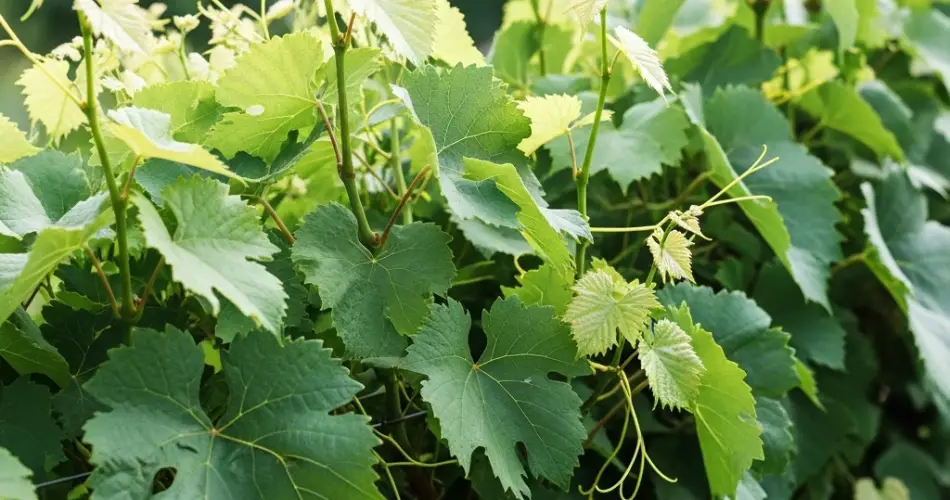
Growing grapes can be deeply satisfying, whether for fresh eating, juicing, or winemaking. But it can be frustrating when your grapevine grows healthy leaves and long vines—yet refuses to produce fruit. If you’re facing this issue, you’re not alone. Many gardeners struggle to get their grapevines to fruit, often due to a few overlooked factors.
Here are the most common reasons your grapevine might not be fruiting, along with practical fixes to help coax it into producing sweet, juicy grapes.
1. Your Grapevine May Be Too Young
One of the most common reasons for lack of fruit is simply the vine’s age. Grape plants, especially those started from seed, take time to mature. On average, a grapevine needs 2 to 3 years after planting to begin fruiting, and may take even longer to reach full production.
What to do:
Be patient if your vine is still young. Focus on training it properly and ensuring it develops a strong root system and structure during its early years.
2. Pruning—Too Little or Too Much
Grapevines produce fruit on one-year-old wood—the canes that grew during the previous season. If you don’t prune, or if you prune incorrectly, you may be removing the very wood that would bear fruit.
What to do:
-
Prune your vine annually during dormancy, usually in late winter.
-
Remove old, unproductive wood and train new canes.
-
Leave 2 to 3 buds per spur, depending on the variety and vine strength.
-
For cordon-trained vines, maintain a balance between fruiting canes and renewal spurs.
Proper pruning channels the plant’s energy into fewer, more productive canes.
3. Excess Nitrogen Fertilizer
While nitrogen is essential for plant growth, too much can result in vigorous leafy growth at the expense of flowering and fruiting. Grapevines that are “all leaf and no fruit” are often overfed with high-nitrogen fertilizer.
What to do:
-
Avoid applying lawn fertilizers near your vine.
-
Choose a balanced or low-nitrogen fertilizer, such as a 5-10-10 formula.
-
Apply composted manure or organic compost moderately in early spring.
Healthy soil and balanced nutrients promote flower and fruit development rather than just leaf growth.
4. Inadequate Sunlight
Grapes require full sun to produce fruit. At least 6 to 8 hours of direct sunlight per day is essential for flower and fruit formation. Shaded vines may grow but will rarely fruit well.
What to do:
-
If possible, plant your vine in a south-facing location.
-
Avoid planting too close to tall trees, buildings, or fences that may block light.
-
Consider thinning nearby vegetation to increase sun exposure.
More light means more energy for flowering and ripening.
5. Poor Pollination or Flower Drop
Most grape varieties are self-pollinating, but poor weather (especially cold, wet, or windy conditions) during flowering can reduce pollination success. This can result in flowers falling off without setting fruit.
What to do:
-
Ensure healthy vine growth and avoid overwatering during flowering.
-
In sheltered areas, gently shake the vine during flowering to mimic wind and improve pollination.
-
Avoid applying heavy fertilizers or pesticides during bloom, which can interfere with flower development.
Healthy flowers have a better chance of turning into healthy fruit.
6. Water Stress
Both overwatering and underwatering can lead to poor fruit set. Grapevines prefer moderately moist soil—not soggy and not bone dry.
What to do:
-
Water deeply but infrequently, allowing the soil to dry slightly between watering.
-
Mulch around the base of the plant to retain soil moisture.
-
Avoid watering from above to prevent fungal issues and flower damage.
Good watering practices keep the plant balanced and productive.
7. Improper Training or Support
Vines that sprawl without support waste energy and may not produce fruit effectively. Grapevines need structured support and proper training to encourage fruiting wood.
What to do:
-
Train your vine onto a trellis, arbor, or fence.
-
Keep the structure open to allow good airflow and light penetration.
-
Maintain a clear central trunk with lateral fruiting arms or canes, depending on your training system.
Structured growth promotes healthier, more fruitful vines.
8. The Variety May Be a Factor
Some grape varieties are more productive than others and may require specific conditions to fruit. Others may not be well-suited to your climate.
What to do:
-
Check if your variety is recommended for your region.
-
Choose a disease-resistant, high-yielding variety if planting a new vine.
-
Avoid planting wild grape seedlings—they often produce little or no fruit.
Your local extension office or nursery can help recommend the best varieties for your area.
Final Thoughts
When a grapevine isn’t producing fruit, it’s usually a matter of pruning technique, sunlight, nutrition, or plant maturity. With a little observation and a few adjustments, you can often resolve the issue and enjoy delicious homegrown grapes in seasons to come.
By keeping your vine healthy, well-pruned, and properly supported, you’re laying the foundation for abundant fruit production year after year.


