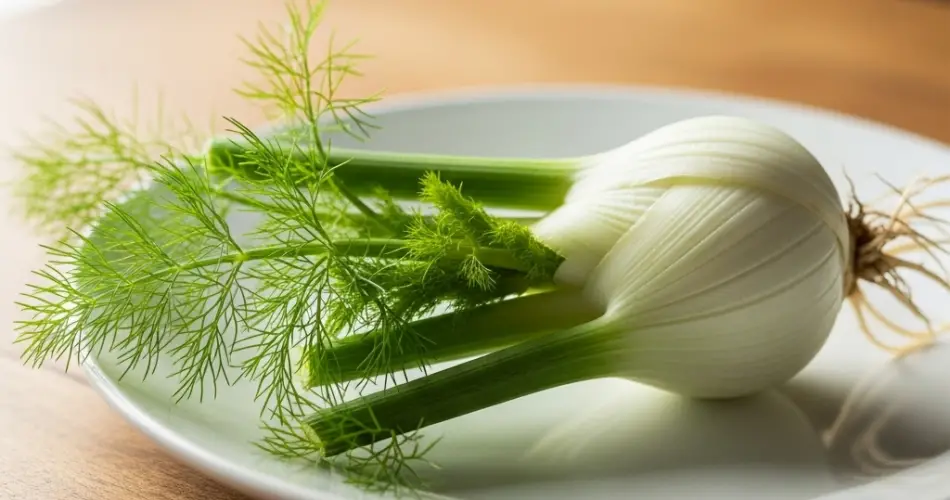
Fennel is one of those remarkable plants that bridges the gap between the ornamental and the edible. With its feathery leaves, distinctive aroma, and flavorful bulbs, it’s a herb and vegetable rolled into one. While many assume fennel requires a large garden bed to thrive, it actually adapts well to containers. This makes it a perfect choice for anyone with limited outdoor space, such as balconies, patios, or even sunny windowsills.
Growing fennel in a pot allows you to enjoy fresh harvests right at your doorstep while keeping this versatile plant within easy reach for cooking. Here’s everything you need to know to grow fennel successfully in containers.
Why Choose Fennel for Your Container Garden?
Fennel is not just beautiful but also practical. Its delicate fronds look like fine lace, giving a decorative touch to your space. At the same time, every part of the plant is edible. The bulb can be sliced into salads or roasted for a sweet, anise-like flavor. The leaves work as an herb for garnishing, and the seeds are widely used as a spice in breads, teas, and marinades.
Container gardening ensures you can control the soil quality, moisture, and sunlight exposure. It also makes the plant easier to manage, reducing the risks of pests and invasive spreading.
Choosing the Right Variety
There are two main types of fennel to consider:
-
Florence fennel (Foeniculum vulgare var. azoricum): Known for its swollen bulb, this is the type used in cooking.
-
Herb fennel (Foeniculum vulgare): Grown mainly for its fronds and seeds.
For container gardens, Florence fennel is often preferred because of its edible bulb, but both types grow well in pots.
Selecting Containers and Soil
Since fennel develops deep roots, choose a container that is at least 12–14 inches deep. A wider pot helps accommodate multiple plants, though one plant per container often works best to prevent crowding. Ensure the container has good drainage holes, as fennel dislikes waterlogged soil.
Use a high-quality potting mix enriched with organic matter. A blend that retains moisture but drains well is ideal. Adding compost improves soil fertility and ensures steady growth. Avoid heavy garden soil, which can compact and stunt root development.
Light and Temperature Needs
Fennel loves sunlight. Place the container in a location that gets at least six hours of direct sun daily. On a balcony or patio, a south-facing position is perfect. Indoors, a sunny windowsill or a grow light can provide enough light for healthy development.
The plant grows best in cool to moderate temperatures. Extreme heat may cause fennel to bolt (produce flowers and seeds prematurely), so keep an eye on it during hot summer months.
Watering and Feeding
Fennel requires consistent moisture to develop plump, flavorful bulbs. Water regularly to keep the soil evenly moist but never soggy. During hotter weather, you may need to water more frequently.
Feed the plant every two to three weeks with a balanced liquid fertilizer or compost tea. This ensures the plant has enough nutrients to develop lush foliage and a healthy bulb.
Planting from Seed or Transplant
Fennel grows well from seed, but you’ll need patience. Directly sow seeds about ¼ inch deep into the container, spacing them about 8–10 inches apart if you’re planting multiple. Thin seedlings as they grow to give each one room to develop fully.
If you prefer a quicker start, use transplants from a nursery. Handle them carefully, as fennel doesn’t always respond well to being moved. Pot them directly into their final container to avoid transplant shock.
Harvesting Your Fennel
Florence fennel bulbs are usually ready for harvest about 80–100 days after planting. You’ll know they’re ready when the bulb at the base swells to the size of a tennis ball or larger. Cut the bulb at soil level and enjoy it raw, sautéed, or roasted.
The fronds can be clipped at any time once the plant has matured, and they add a delicate flavor to soups, seafood, and salads. If you allow fennel to flower and go to seed, you can harvest the seeds once they turn brown and dry on the plant.
Culinary Uses of Fennel
One of the joys of growing fennel is its versatility in the kitchen. The bulb can be sliced thin for fresh salads, roasted with olive oil for a caramelized side dish, or braised for a tender, aromatic base in stews. The fronds can be used like dill, adding a light, refreshing touch to dishes. Seeds can be ground or toasted to flavor bread, curries, or teas.
Having a container of fennel nearby means you can pick exactly what you need, keeping your dishes fresh and flavorful.
Tips for Success
-
Avoid planting fennel next to dill in the same container, as they can cross-pollinate and affect flavor.
-
Mulch the soil surface to retain moisture and regulate temperature.
-
Harvest regularly to encourage fresh growth and prevent the plant from going to seed too early.
Final Thoughts
Growing fennel in containers is a rewarding project that combines beauty, convenience, and culinary delight. With the right care, this aromatic plant can thrive on your balcony, patio, or windowsill, offering a steady supply of fresh fronds, bulbs, and seeds for your kitchen.
From pot to plate, fennel brings both charm and flavor to your home garden—proof that even limited space can produce big rewards.


