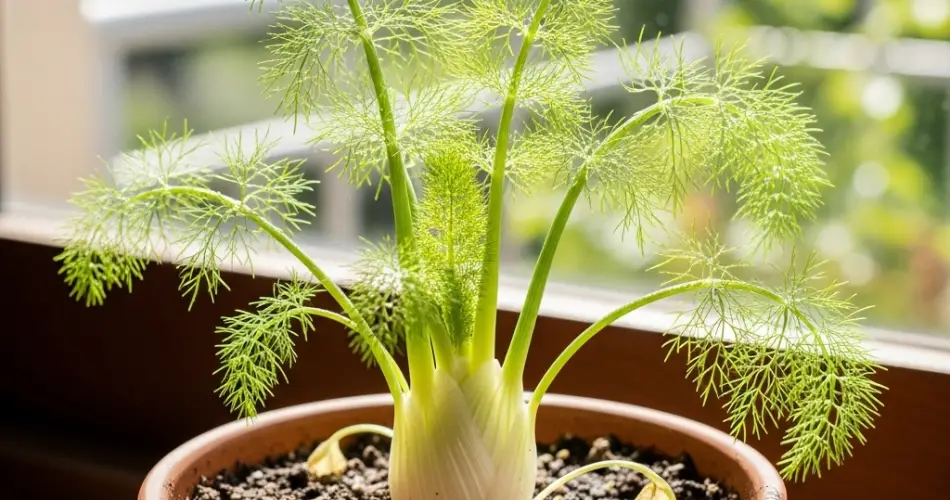
Fennel is a versatile plant that serves both as a flavorful culinary herb and a charming addition to any indoor or outdoor garden. Known for its feathery fronds, licorice-like flavor, and crisp bulbs, fennel can be used in salads, soups, teas, and as a seasoning. While it’s often grown in garden beds, fennel also adapts surprisingly well to container gardening. Whether you’re limited on space or simply prefer growing in controlled conditions, cultivating fennel in containers or buckets can be both practical and rewarding.
This guide will walk you through the essentials of growing fennel in pots, from choosing the right variety and container to maintaining healthy plants and harvesting for the best flavor.
Choosing the Right Fennel Variety
There are two main types of fennel to consider for container growing:
-
Florence Fennel (Foeniculum vulgare var. azoricum) – This is the bulb-forming variety most often used in cooking. It produces crisp, rounded bulbs that can be roasted, grilled, or sliced raw into salads.
-
Herb Fennel (Foeniculum vulgare) – Grown primarily for its feathery leaves and seeds, this type is perfect for seasoning fish, poultry, or bread.
For container gardening, Florence fennel is often preferred, but both varieties can thrive in pots with the right care.
Choosing Containers or Buckets
Fennel develops a long taproot, so depth is essential. Select a container or bucket that is at least 12–14 inches deep and equally wide to allow the bulb and root system room to expand. Buckets, clay pots, or large planters all work well, provided they have good drainage holes at the bottom. Poor drainage can lead to waterlogged soil and root rot.
If you’re growing multiple plants, space them out in a wide planter, leaving at least 10–12 inches between each plant. This prevents overcrowding and allows the bulbs to form properly.
Soil Preparation
Fennel prefers loose, well-draining soil with plenty of organic matter. A high-quality potting mix combined with compost or well-rotted manure is ideal. The soil should be rich enough to encourage growth but light enough to allow water to flow freely.
Since fennel grows best in slightly acidic to neutral conditions, aim for a pH between 6.0 and 7.0. If you’re unsure of your soil’s pH, consider testing and amending it accordingly.
Planting Fennel in Containers
You can start fennel from either seeds or young seedlings:
-
From Seeds – Sow fennel seeds about ¼ inch deep directly into the container. Since fennel doesn’t transplant well, starting seeds directly in the pot avoids root disturbance. Seeds typically germinate in 7–14 days.
-
From Seedlings – If you buy nursery seedlings, be careful when transplanting to minimize root damage. Plant them at the same depth they were growing previously.
For staggered harvests, sow seeds every 2–3 weeks during the growing season. This ensures a steady supply rather than one large harvest.
Light and Temperature Needs
Fennel thrives in full sun, needing at least 6–8 hours of direct sunlight daily. Place your containers on a bright balcony, patio, or windowsill where they receive maximum exposure. If growing indoors, supplement with a grow light to provide consistent brightness.
Temperature-wise, fennel prefers cooler weather and grows best in temperatures between 60–70°F (15–21°C). In hot climates, give the containers partial shade during the hottest hours of the day to prevent the plants from bolting prematurely.
Watering and Fertilizing
Consistent moisture is crucial for fennel, especially when bulbs are forming. Keep the soil evenly moist but not soggy, watering whenever the top inch of soil feels dry. Deep watering encourages strong root development.
To maintain nutrient levels, feed fennel with a balanced liquid fertilizer every 3–4 weeks during the growing season. Alternatively, mix organic compost into the soil before planting and top-dress occasionally to keep the plants nourished.
Supporting Healthy Growth
While fennel is relatively low-maintenance, a few simple practices ensure optimal growth:
-
Thinning – If seedlings are too crowded, thin them out early to leave enough space for bulb development.
-
Mulching – A light layer of mulch helps retain soil moisture and keeps roots cool.
-
Companion Planting – Fennel does not pair well with many vegetables because it can inhibit their growth. It’s best to dedicate a container solely to fennel.
Harvesting Fennel
Harvesting depends on the variety you’ve chosen:
-
Florence Fennel – Bulbs are ready when they reach about the size of a tennis ball. Use a sharp knife to cut just above the soil line. If you leave the roots in place, smaller side shoots may develop for additional harvests.
-
Herb Fennel – You can begin snipping the fronds once the plant is established, taking care not to remove more than one-third at a time. Seeds can be collected once flower heads dry and turn brown.
Harvesting regularly not only ensures the freshest flavor but also encourages the plant to produce more foliage.
Common Challenges
-
Bolting – High temperatures or stress can cause fennel to bolt (flower too early). Keeping soil consistently moist and providing partial shade in hot weather helps reduce this risk.
-
Pests – Aphids, whiteflies, and caterpillars may occasionally appear. Washing leaves with water or using a mild soap spray usually resolves minor infestations.
-
Weak Bulb Formation – Often caused by overcrowding, inconsistent watering, or poor sunlight. Ensuring proper spacing and care will help bulbs form correctly.
Final Thoughts
Growing fennel in containers or buckets is a rewarding way to enjoy this aromatic herb and vegetable, even if you don’t have access to a traditional garden. With the right container, soil mix, sunlight, and watering routine, fennel thrives just as well in pots as it does in the ground.
By carefully selecting your variety, providing consistent care, and harvesting at the right time, you’ll enjoy fresh fennel fronds, seeds, and bulbs straight from your own mini container garden. Not only does this add flavor to your cooking, but it also brings the beauty of lush, feathery greenery into your living space.


