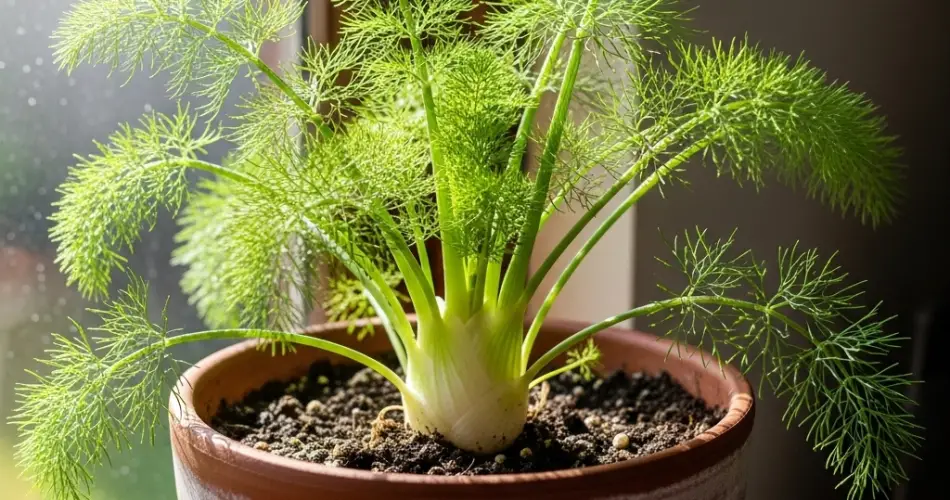
Fennel is a plant that combines elegance with practicality. With its feathery leaves, distinctive aroma, and crisp bulb, fennel is both a culinary delight and a decorative addition to any garden. While it is often grown in open garden beds, fennel adapts beautifully to containers, making it an excellent choice for gardeners with limited space. Whether you live in an apartment, have a small balcony, or simply want the convenience of fresh herbs and bulbs close at hand, fennel is a versatile and rewarding option for your container garden.
Why Grow Fennel in Containers?
Container gardening is ideal for urban dwellers and anyone who values accessibility and control. Fennel, with its deep taproot and need for space, might not seem like the first choice for pots, but it can thrive under the right conditions. By growing fennel in containers, you can:
-
Control soil quality by ensuring it is rich and well-draining.
-
Manage space efficiently if you don’t have a large garden bed.
-
Reduce pests by keeping fennel separate from other crops that it may inhibit.
-
Enjoy flexibility in moving the container to capture the best sunlight.
This makes fennel an attractive addition to a balcony, patio, or even a sunny kitchen corner.
Choosing the Right Variety
There are two main types of fennel that can be grown in containers:
-
Florence Fennel (bulb fennel) – Known for its rounded, crunchy bulbs, this variety is used widely in cooking. Roasted, sautéed, or eaten raw in salads, it brings a mild anise-like flavor to many dishes.
-
Herb Fennel (leaf fennel) – Grown for its feathery fronds and aromatic seeds, this variety does not form a bulb but is perfect for garnishes, teas, and seasoning.
For containers, Florence fennel is the most common choice, but herb fennel is just as rewarding if you’re more interested in foliage and seeds.
Selecting Containers and Soil
Because fennel has a long taproot, choose a container that is at least 12–14 inches deep. Buckets, clay pots, or sturdy planters all work well, provided they have drainage holes at the bottom. A wide container allows room for spacing multiple plants without crowding.
Soil plays a critical role in fennel’s success. Use a light, fertile potting mix enriched with compost. The soil should drain well yet hold enough moisture to keep roots hydrated. Aim for a slightly acidic to neutral pH of 6.0 to 7.0 for optimal growth.
Planting Fennel
Fennel grows best when sown directly into containers, as it dislikes root disturbance. To plant:
-
Sow seeds about ¼ inch deep and cover lightly with soil.
-
Thin seedlings once they sprout, leaving 10–12 inches of space between each plant.
-
If using seedlings from a nursery, handle carefully and plant at the same depth they were growing previously.
To ensure a steady supply, consider succession planting every 2–3 weeks during the growing season.
Sunlight and Temperature
Fennel thrives in full sun, requiring at least 6–8 hours of direct light daily. If you’re growing indoors, place the container near a bright south-facing window or supplement with a grow light.
It prefers moderate climates, growing best at temperatures between 60–70°F (15–21°C). In hotter conditions, provide light afternoon shade to prevent bolting, when the plant prematurely flowers instead of forming bulbs.
Watering and Feeding
Fennel requires consistent moisture, especially during bulb formation. Water deeply whenever the top inch of soil feels dry, but avoid waterlogging. Containers dry out faster than garden beds, so regular monitoring is essential.
Feed plants with a balanced liquid fertilizer every 3–4 weeks to encourage healthy leaves and bulb development. Alternatively, work in compost at planting and top-dress as needed to maintain nutrient levels.
Care and Maintenance
-
Thinning: Prevent overcrowding by thinning young seedlings early. Crowded plants often fail to develop proper bulbs.
-
Mulching: A thin layer of mulch helps retain soil moisture and keeps roots cool.
-
Dedicated containers: Fennel is not the best companion plant since it can inhibit the growth of nearby vegetables. Growing it alone in a container is the simplest solution.
Harvesting Your Fennel
Harvest time varies depending on the type of fennel you’re growing:
-
Florence fennel bulbs are ready when they reach the size of a tennis ball. Cut the bulb at the base just above the soil. If the roots are left undisturbed, small side shoots may grow back.
-
Fronds can be clipped once the plant is well established. Harvest sparingly to avoid weakening growth.
-
Seeds are ready when flower heads dry and turn brown. Clip them and hang upside down in a paper bag to collect the seeds.
Regular harvesting encourages continued growth and ensures fresh flavor throughout the season.
Common Issues and Solutions
-
Bolting: High temperatures or stress can cause early flowering. Keep soil consistently moist and provide light shade in extreme heat.
-
Pests: Watch out for aphids and caterpillars. Treat infestations with water sprays or mild soap solutions.
-
Poor bulb development: Usually caused by overcrowding, inconsistent watering, or lack of sunlight. Ensure proper spacing and care to support bulb growth.
Final Thoughts
Growing fennel in containers offers both practicality and beauty. Its feathery leaves add visual charm, while its bulbs, fronds, and seeds bring distinctive flavor to the kitchen. With the right container, soil preparation, and steady care, you can enjoy compact yet productive fennel plants that thrive even in small spaces.
Container-grown fennel is proof that a lack of garden beds doesn’t mean giving up on flavorful harvests. By adding this unique plant to your collection, you’ll elevate both your garden’s look and your meals with a fresh, aromatic touch.