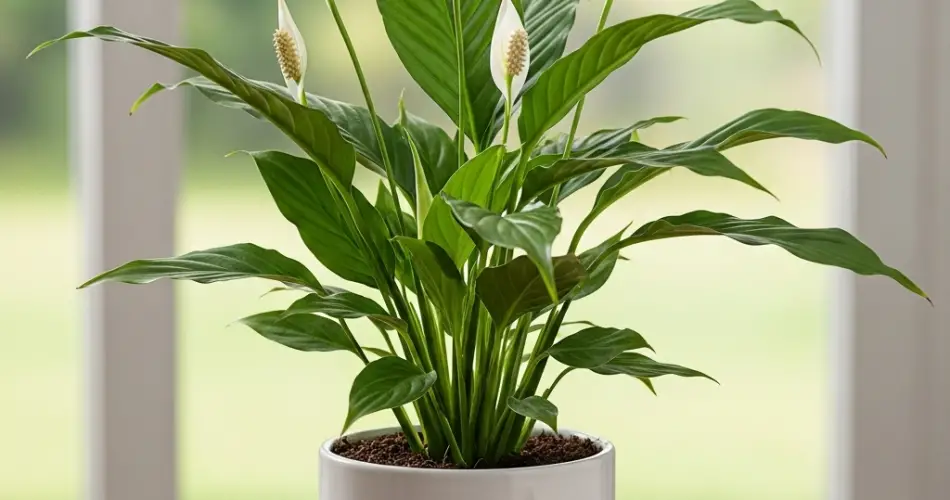
The Peace Lily (Spathiphyllum) is a favorite among indoor gardeners for its elegant white blooms, lush green foliage, and low-maintenance nature. Whether you’re a beginner or an experienced plant enthusiast, growing a Peace Lily at home from a nursery-bought plant can be both easy and rewarding. With the right care, your Peace Lily can thrive for years, adding beauty and clean air to your indoor environment.
Here’s a comprehensive guide to successfully transferring a nursery Peace Lily into a home pot and helping it flourish.
Choosing a Healthy Peace Lily
When selecting your Peace Lily at the nursery, look for a plant with rich green leaves and no signs of browning or yellowing. Avoid plants with drooping foliage or roots protruding from the bottom of the container, as these may be overgrown or stressed.
Check for:
-
Firm, upright stems
-
Healthy roots (if visible) that are white and full
-
No signs of pests on the underside of leaves or along stems
A healthy plant from the start means fewer issues later on once it’s moved to your home.
Picking the Right Pot
Choose a pot that is about 1 to 2 inches larger in diameter than the nursery pot. Peace Lilies like to be slightly root-bound but still need enough space for growth. Ensure the pot has adequate drainage holes to prevent waterlogging.
Ideal pot materials include:
-
Plastic pots (lightweight and affordable)
-
Ceramic or glazed pots (add style but retain more moisture)
-
Terracotta (provides breathability but dries out faster)
Always pair with a saucer or tray to protect furniture and floors from water runoff.
Preparing the Soil
Peace Lilies prefer well-draining, nutrient-rich soil. A good mix includes:
-
2 parts regular potting soil
-
1 part perlite or coarse sand (for drainage)
-
1 part peat moss or coconut coir (to retain moisture)
Avoid using garden soil, as it may be too dense and can cause root suffocation indoors.
Transplanting from Nursery to Pot
-
Water before transplanting: A day before transplanting, water the Peace Lily to keep the roots hydrated and make the soil easier to work with.
-
Remove the plant gently: Turn the nursery pot sideways and gently tap it until the plant slides out. Support the root ball with your hand.
-
Loosen the roots: If roots are circling the root ball, gently tease them apart to encourage outward growth.
-
Position the plant: Place the plant in the center of the new pot and fill around it with fresh soil. Keep the crown (where the stems meet the roots) slightly above the soil line.
-
Firm and water: Gently press down the soil to eliminate air pockets and water thoroughly to help the plant settle.
Ideal Location and Light
Peace Lilies prefer bright, indirect light but will also tolerate low-light conditions. Avoid direct sunlight, as it can scorch the leaves.
Best locations:
-
Near an east- or north-facing window
-
In well-lit rooms with filtered light
-
Away from air conditioning vents and heaters
In lower light, Peace Lilies may bloom less but will still maintain lush foliage.
Watering and Humidity
One of the most common mistakes with Peace Lilies is overwatering. These plants like their soil to be moist but not soggy.
Watering tips:
-
Check soil moisture with your finger; water only when the top inch is dry
-
Use room temperature water
-
Reduce watering in winter when growth slows
Peace Lilies love humidity. If your home is dry, consider:
-
Misting the leaves regularly
-
Placing the pot on a pebble tray filled with water
-
Grouping it with other houseplants to create a micro-humid environment
Fertilizing Schedule
Feed your Peace Lily every 6–8 weeks during the growing season (spring and summer) with a balanced liquid houseplant fertilizer diluted to half strength. Avoid over-fertilizing, which can lead to leaf tip browning.
In fall and winter, reduce or stop fertilizing as the plant’s growth naturally slows down.
Pruning and Maintenance
Regular maintenance helps keep your Peace Lily looking its best.
-
Remove yellowing or dead leaves with sterilized scissors
-
Trim spent flowers to encourage new blooms
-
Wipe the leaves occasionally with a damp cloth to remove dust
Repot your plant every 1–2 years when it becomes root-bound or the soil becomes compacted.
Common Issues to Watch For
-
Brown tips: Often caused by over-fertilizing, low humidity, or using chlorinated water
-
Yellow leaves: A sign of overwatering or poor drainage
-
Drooping leaves: Could mean the plant is thirsty or overwatered—check the soil to confirm
Final Thoughts
Transferring a Peace Lily from a nursery pot into a decorative container at home is a simple process that, when done with care, sets the stage for a vibrant and healthy plant. With proper light, moisture, and attention to its needs, this indoor favorite can thrive in almost any space—gracing your home with its soothing presence and elegant white blooms.
Whether on a desk, shelf, or windowsill, a Peace Lily offers beauty, air-purifying qualities, and a connection to nature that enhances your indoor environment with minimal effort.


