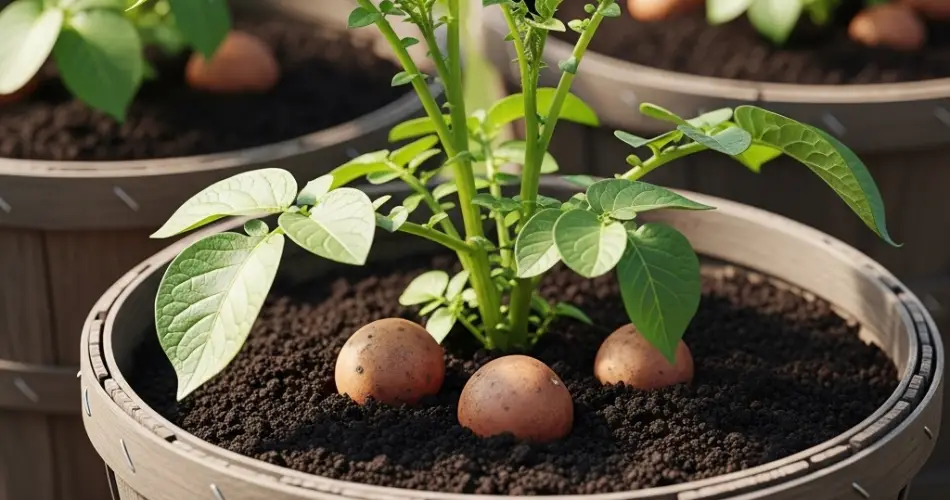
Potatoes are a staple crop in kitchens around the world, yet many gardeners mistakenly believe they need large plots of land to cultivate them successfully. The truth is, potatoes adapt beautifully to small-space gardening, and one of the most charming and efficient methods is growing them in woven baskets. With the right preparation, soil, and care, you can enjoy a steady harvest of fresh, homegrown potatoes even on a balcony, patio, or tiny backyard.
This guide will take you through everything you need to know about cultivating potatoes in baskets, from choosing the right container to harvesting flavorful tubers.
Why Grow Potatoes in Baskets?
Basket gardening offers several advantages for potato growers:
-
Space efficiency: Baskets fit easily into small outdoor spaces and can even be moved as needed.
-
Good drainage: The woven structure allows excess water to escape, preventing soggy soil and rot.
-
Air circulation: Improved airflow helps reduce the risk of fungal diseases.
-
Easy harvesting: Instead of digging deep into the ground, you simply empty the basket to collect your potatoes.
-
Rustic appeal: Woven baskets bring a natural, decorative look to your garden while serving a practical purpose.
Choosing the Right Basket
Not all baskets are suited for potato growing, so selecting the right one is key.
-
Size matters: Potatoes need depth to develop. Choose a basket at least 16–18 inches deep and wide to allow space for multiple layers of tubers.
-
Durability: Opt for strong woven baskets made from rattan, bamboo, or sturdy wicker. Thin or decorative baskets may collapse under the weight of soil and plants.
-
Drainage preparation: Even though baskets naturally allow water to escape, lining them with breathable fabric such as burlap or coconut coir helps retain soil while maintaining airflow.
Preparing the Soil
Potatoes thrive in loose, well-draining soil that allows tubers to expand freely underground. For baskets, a light mix is ideal:
-
Base mix: Use high-quality potting soil rather than heavy garden soil.
-
Organic matter: Blend in well-rotted compost for balanced nutrients.
-
Additives: A small amount of sand or perlite improves drainage.
Avoid adding fresh manure, which may encourage leafy growth at the expense of tubers. A balanced soil ensures both healthy foliage and plump potatoes.
Planting Step by Step
-
Prepare the basket: Line it with burlap or a coir mat to hold the soil in place.
-
Add the first layer of soil: Fill the basket with about 6 inches of your prepared mix.
-
Place seed potatoes: Lay seed potatoes (small tubers or cut pieces with eyes) on top of the soil, spacing them 6–8 inches apart.
-
Cover with soil: Add another 3–4 inches of soil to cover the potatoes completely.
-
Water gently: Keep the soil moist but not soaked.
As the potato plants grow, continue to add soil around the stems (“hilling”) until the basket is nearly full. This encourages the plants to produce more tubers along their buried stems.
Caring for Basket-Grown Potatoes
-
Watering: Potatoes need consistent moisture, especially as tubers form. Check baskets daily, as soil in containers dries faster than in the ground.
-
Sunlight: Place baskets in a location that receives at least 6–8 hours of direct sunlight.
-
Fertilizing: Apply a balanced, potassium-rich fertilizer or a light compost tea every 2–3 weeks during the growing season. Avoid high-nitrogen feeds, which promote excessive foliage.
-
Pest management: Baskets naturally raise plants off the ground, reducing pest exposure, but still watch for potato beetles and aphids.
Harvesting Your Potatoes
The beauty of basket gardening is the simplicity of harvesting. Depending on the variety, potatoes are typically ready in 10–12 weeks for “new” potatoes, or in about 15–20 weeks for fully mature tubers.
Signs that potatoes are ready include:
-
Yellowing and dying back of the foliage.
-
A firm feel when you gently dig into the soil near the plant.
To harvest, simply tip the basket over onto a tarp or container and sift through the soil to collect your potatoes. Unlike traditional gardening, there’s no need for heavy digging tools.
Advantages of Small-Space Potato Harvests
Growing potatoes in baskets is not only practical but also rewarding. Here are a few additional benefits:
-
Scalable harvests: You can grow multiple baskets for a staggered supply of potatoes.
-
Cleaner harvest: Tubers grown in baskets are often cleaner and easier to collect compared to those pulled from garden soil.
-
Portability: Move baskets to follow the sun or protect plants from harsh weather.
-
Educational for families: This method is a fun, hands-on way to teach children how food grows.
Conclusion
Basket gardening transforms the way we think about growing potatoes. Instead of requiring sprawling garden beds, potatoes can thrive in compact woven containers that fit seamlessly into small living spaces. By choosing the right basket, preparing the soil properly, and caring for your plants with consistent watering and sunlight, you can enjoy a rewarding harvest of fresh, flavorful potatoes right at home.
This approach blends practicality with charm, offering both beauty and productivity in your garden. Whether you’re a beginner gardener or an experienced grower with limited space, woven baskets provide an easy and enjoyable way to cultivate one of the world’s most beloved vegetables.


