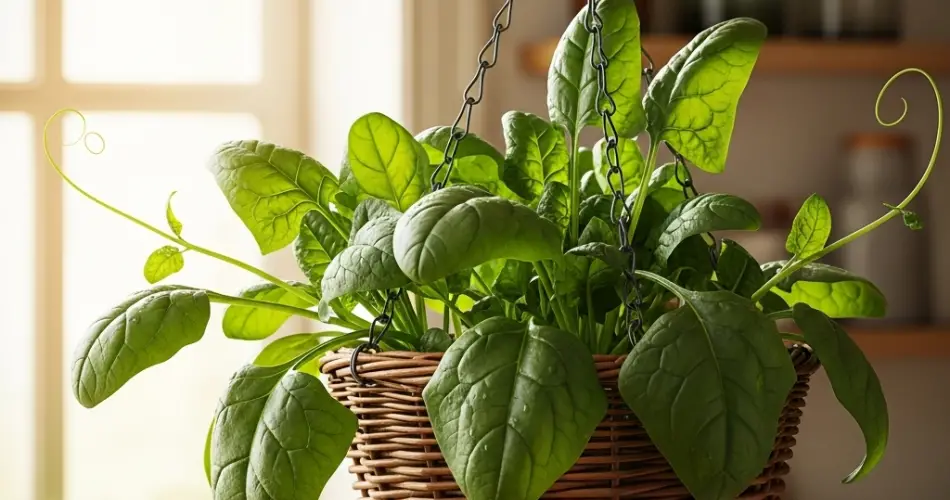
Growing your own leafy greens at home has become a popular way to enjoy fresher, healthier meals while making the most of limited space. Among the many greens you can cultivate, spinach stands out as one of the easiest and most rewarding options. Not only is spinach packed with vitamins and minerals, but it also grows quickly, making it perfect for small-scale, container-style gardening.
One of the most charming and practical methods for growing spinach is in woven baskets. These natural, breathable containers bring a rustic look to your space while providing the ideal conditions for spinach to thrive. Whether placed on a balcony, patio, or sunny corner of the kitchen, woven baskets allow you to harvest crisp, green leaves just steps from your door.
Why Woven Baskets Work Well for Spinach
Spinach is a cool-weather crop with a shallow root system, which makes it particularly well-suited to basket gardening. Unlike deep-rooted vegetables, spinach doesn’t require large containers to flourish. Woven baskets offer several advantages:
-
Aesthetic appeal: Their natural, rustic texture adds charm to balconies and indoor gardens.
-
Good drainage: The breathable structure prevents waterlogging, a common problem in solid pots.
-
Portability: Baskets are light and easy to move, making it simple to adjust placement for light or temperature.
-
Space efficiency: Perfect for small apartments or homes without traditional garden beds.
When lined properly and filled with quality soil, woven baskets create an inviting and functional home for spinach.
Preparing the Basket
Before planting, preparation is key. Woven baskets are naturally porous, so you’ll want to create a balance between good drainage and soil retention.
-
Choose the right size: A basket around 10–12 inches deep and 12–14 inches wide will hold enough soil for multiple spinach plants.
-
Line the basket: Use a coco liner, burlap, or a layer of landscape fabric to keep soil in place while allowing excess water to drain.
-
Ensure stability: If hanging, use strong hooks and supports, as wet soil can make the basket heavy.
A well-prepared basket helps maintain the right growing environment for strong, healthy spinach leaves.
Soil and Planting
Spinach prefers loose, fertile soil that drains well but retains enough moisture to stay consistently damp.
-
Soil mix: Use lightweight potting soil blended with compost. Adding perlite or vermiculite improves aeration.
-
Direct sowing: Spinach seeds germinate quickly and can be sown directly into the basket. Plant seeds about ½ inch deep, spacing them 2–3 inches apart.
-
Staggered planting: To enjoy a continuous supply of greens, sow a few seeds every two weeks.
With the right soil and spacing, you’ll soon see clusters of tender green leaves ready to harvest.
Light and Temperature
Spinach thrives in cooler conditions, making it a great plant for spring and fall. Ideal temperatures range between 50–70°F (10–21°C).
-
Light requirements: Spinach needs 4–6 hours of sunlight daily. A spot with morning sun and afternoon shade works best.
-
Hot climates: During warm seasons, move baskets to a shaded spot or indoors to prevent bolting, where plants produce flowers and turn bitter.
If growing indoors, place your basket near a bright window or supplement with a grow light to encourage steady growth.
Watering and Care
Basket gardening requires attentive watering because soil tends to dry out more quickly than in traditional pots or ground beds.
-
Consistency is key: Keep the soil moist but not soggy. Water when the top inch feels dry.
-
Check frequently: On warm or windy days, baskets may need watering more than once.
-
Mulching: A light layer of straw or shredded leaves helps retain moisture and reduce evaporation.
Balanced watering ensures tender, flavorful spinach leaves without stress-induced bitterness.
Feeding Spinach in Baskets
Since nutrients leach out faster in baskets due to frequent watering, spinach benefits from light feeding.
-
Fertilizer: Apply a balanced liquid fertilizer every 2–3 weeks.
-
Organic options: Compost tea or diluted fish emulsion provide steady nourishment.
A nutrient boost encourages lush, green foliage and prolongs the harvest window.
Harvesting Spinach
Spinach grows quickly and is ready to harvest within 4–6 weeks of sowing.
-
Baby leaves: Pick when leaves are 3–4 inches long for tender salads and smoothies.
-
Cut-and-come-again: Harvest the outer leaves regularly, leaving the center to keep producing.
-
Full harvest: For mature plants, cut the whole bunch at the base once leaves reach full size.
Frequent harvesting not only supplies you with fresh greens but also encourages the plant to keep producing.
Common Challenges
-
Bolting: In warm weather, spinach may bolt and turn bitter. Keep baskets in cooler spots to delay this.
-
Yellow leaves: Often a sign of overwatering or lack of nutrients. Adjust watering and feeding habits accordingly.
-
Pests: Aphids may appear, but a simple spray of soapy water usually resolves the issue.
By paying attention to these factors, you can maintain a thriving crop in your woven basket garden.
Final Thoughts
Spinach grown in woven baskets is a beautiful and practical way to bring fresh greens into your home. This method combines rustic style with everyday convenience, making it possible to enjoy nutrient-rich food even in the smallest spaces. With just a little care—proper soil, watering, feeding, and harvesting—you can count on a steady supply of spinach for salads, soups, smoothies, and countless other dishes.
Basket gardening transforms limited space into a productive green corner, allowing you to enjoy the rewards of homegrown superfoods without the need for a traditional garden. With woven baskets, fresh, crisp spinach can become a staple in your kitchen all year long.


