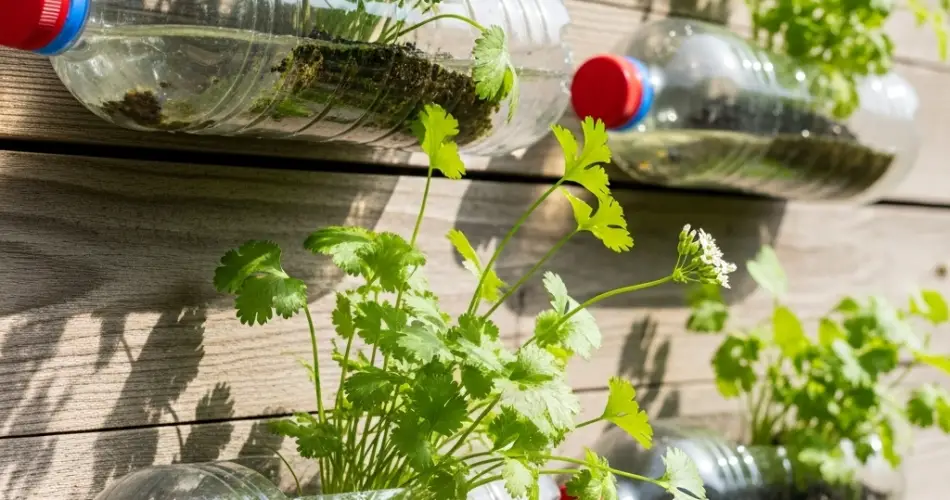
Cilantro, with its fresh and citrusy flavor, is one of the most widely used herbs in global cuisines. From zesty salsas and fragrant curries to bright salads and marinades, it brings a unique touch to countless dishes. Fortunately, you don’t need a large backyard to grow it. With a vertical wall garden, you can cultivate cilantro in even the smallest spaces, all while adding a touch of greenery to your home.
This guide will show you how to create your own fresh cilantro wall garden—perfect for balconies, patios, kitchen walls, or any sunny spot. Not only will this method save space, but it also makes harvesting quick and convenient while giving your home a decorative and eco-friendly upgrade.
Why Grow Cilantro Vertically?
Vertical gardens make smart use of limited space and can be designed to fit almost anywhere. For cilantro in particular, a wall garden offers several advantages:
-
Efficient Space Use – Maximizes growing area without occupying valuable floor or ground space.
-
Better Airflow – Reduces the likelihood of fungal diseases that can occur in crowded garden beds.
-
Easy Harvesting – Keeps herbs within arm’s reach for cooking.
-
Aesthetic Appeal – Adds a lush, green accent to walls or fences.
-
Eco-Friendly – If using recycled containers like plastic bottles, you reduce waste while growing your own food.
Choosing the Right Spot
Cilantro grows best in a location that receives 4–6 hours of sunlight per day. It thrives in cooler conditions, so in very hot climates, it’s better to provide some afternoon shade. A wall facing east or north is ideal in tropical areas, while a south-facing wall works well in cooler climates.
Make sure the spot is easy to reach for watering and harvesting. Since wall planters dry out more quickly than ground soil, accessibility is key for daily care.
Containers for Your Cilantro Wall
You can use a variety of containers for vertical planting:
-
Recycled Plastic Bottles – Affordable, easy to cut, and lightweight.
-
Hanging Pots – Stylish and durable, though they may be more costly.
-
Wooden Boxes or Pallets – Provide a rustic look and more soil volume.
If using plastic bottles, choose sturdy 1.5-liter or 2-liter sizes. Cut an opening on one side for planting, add drainage holes at the base, and secure them to your wall with screws, nails, or cable ties. Painting or wrapping them in fabric can protect roots from sunlight and improve appearance.
Preparing the Soil
Cilantro prefers well-draining soil that retains some moisture. A good planting mix includes:
-
2 parts potting soil
-
1 part compost
-
1 part coarse sand or perlite
This blend prevents waterlogging while ensuring adequate nutrients.
Planting Cilantro
Cilantro can be grown from seeds or seedlings.
From Seeds
-
Sow seeds 1–2 cm deep directly into your containers.
-
Plant several seeds in each opening, as not all will germinate.
-
Keep soil moist until seedlings emerge, usually within 7–10 days.
From Seedlings
-
Gently transfer plants into your wall planter.
-
Fill in gaps with soil and press lightly to remove air pockets.
Watering and Sunlight
Cilantro’s shallow roots require consistent moisture. In a vertical garden, soil can dry quickly, so check daily—especially in hot weather. Water deeply until it drips from the drainage holes, but avoid waterlogging.
For sunlight, cilantro prefers full sun in cool weather and partial shade in hotter months to prevent bolting (premature flowering).
Feeding Your Plants
Fertilize lightly every 2–3 weeks using compost tea or a diluted liquid fertilizer. Excess nitrogen can cause tall, leggy growth, so keep feeding balanced.
Harvesting leaves regularly also encourages more growth, keeping your plants compact and productive.
Managing Pests and Diseases
Cilantro is relatively pest-resistant but may attract aphids, whiteflies, or spider mites. To control them naturally:
-
Spray with diluted soapy water.
-
Rinse leaves with a strong stream of water to dislodge insects.
-
Keep good airflow between plants.
Prevent fungal diseases by avoiding excessive moisture on leaves and ensuring adequate drainage.
Harvesting Cilantro
Begin harvesting when plants are 10–15 cm tall. Cut the outer leaves first, leaving inner stems to keep producing. Regular harvesting delays bolting and extends the harvest period.
If plants do bolt, let some flowers go to seed. The seeds, known as coriander, can be used in cooking or saved for future planting.
Benefits of a Cilantro Wall Garden
-
Saves Space – Perfect for apartments, small homes, or balconies.
-
Freshness on Demand – No more last-minute trips to buy herbs.
-
Reduces Waste – Uses recycled containers for a sustainable setup.
-
Adds Beauty – Creates a living, edible wall that’s both functional and decorative.
Final Thoughts
A fresh cilantro wall garden is a simple yet rewarding project that blends practicality with sustainability. By growing vertically, you save space, reduce waste, and enjoy a steady supply of flavorful herbs right where you need them. With a few bottles or pots, good soil, and regular care, your wall garden will flourish—turning even the smallest area into a productive green space


