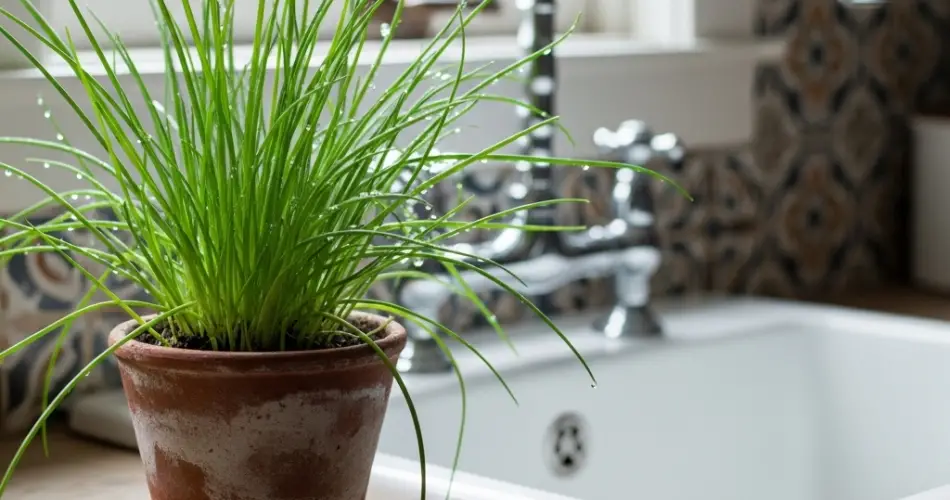
Chives are a delightful herb known for their mild onion flavor and vibrant green, slender leaves. They are a favorite garnish and flavor booster for a variety of dishes, from salads and soups to eggs and baked potatoes. Growing chives indoors in your kitchen allows you to enjoy fresh, snip-ready herbs year-round without the hassle of frequent store trips or worrying about wilting bunches.
This article guides you through the essential steps to successfully grow chives in your kitchen, helping you have fresh herbs at your fingertips whenever you cook.
Why Grow Chives in Your Kitchen?
Growing chives indoors offers several benefits:
-
Convenience: Snip fresh chives right when you need them, saving time and reducing waste.
-
Year-Round Harvest: Indoor cultivation removes seasonal limits, so you always have herbs ready.
-
Space Efficiency: Perfect for apartments or kitchens without garden space.
-
Aesthetic Appeal: Adds greenery and a fresh aroma to your cooking area.
-
Low Maintenance: Chives are hardy and easy to grow, making them ideal for beginners.
Choosing the Right Container
Selecting an appropriate container is vital for healthy chive growth:
-
Size: Chives have shallow roots; a pot 6 to 8 inches deep and about 8 inches wide works well.
-
Material: Terracotta pots are ideal because they allow soil to breathe, but plastic or ceramic pots with drainage holes are also suitable.
-
Drainage: Ensure the pot has adequate drainage holes to prevent waterlogging.
Soil Requirements
Chives prefer fertile, well-draining soil:
-
Use a high-quality potting mix blended with compost or organic matter to retain moisture and provide nutrients.
-
Avoid heavy, clay soils that hold excess water.
Starting Chives Indoors
You can start chives from seeds, divisions, or nursery plants:
-
Seeds: Sow seeds about 1/4 inch deep in moist soil. Germination usually takes 7 to 14 days. Thin seedlings as they grow to avoid overcrowding.
-
Divisions: Mature chive clumps can be divided and replanted to produce new plants quickly.
-
Nursery Plants: Purchase young chive plants and transplant into your container.
Light Requirements
Chives thrive in bright light:
-
Place your pot near a south- or west-facing window where it receives at least 6 hours of direct sunlight daily.
-
If natural light is insufficient, supplement with fluorescent or LED grow lights for 12 to 14 hours daily.
Watering and Humidity
Chives like evenly moist soil but don’t tolerate soggy conditions:
-
Water when the top inch of soil feels dry.
-
Water thoroughly but allow excess water to drain away.
-
Mist leaves occasionally if indoor air is dry, but avoid overwatering.
Fertilizing Chives
Chives benefit from regular feeding:
-
Use a balanced, water-soluble fertilizer diluted to half strength every 4 to 6 weeks during the growing season.
-
Avoid over-fertilizing, which can lead to weak growth.
Harvesting and Using Chives
-
Begin harvesting when the plants are 6 inches tall.
-
Snip leaves from the base using scissors, leaving at least 2 inches of growth to allow regrowth.
-
Harvest regularly to encourage fresh, healthy growth.
-
Use fresh chives as a garnish on salads, soups, baked potatoes, and egg dishes.
-
You can also freeze chopped chives for later use, although fresh is always best.
Common Problems and Solutions
-
Leggy Growth: Caused by insufficient light; move plants to a brighter spot or add grow lights.
-
Yellowing Leaves: May indicate overwatering or nutrient deficiency; adjust watering and fertilize as needed.
-
Pests: Chives are relatively pest-resistant but occasionally may attract aphids. Wipe leaves with a damp cloth or treat with insecticidal soap.
-
Fungal Issues: Ensure good airflow and avoid overwatering to prevent mold or mildew.
Benefits of Growing Chives Indoors
-
Freshness: Enjoy fresh herbs harvested at peak flavor.
-
Health: Chives contain vitamins A and C and antioxidants.
-
Decor: Adds vibrant green color and fresh scent to your kitchen.
-
Sustainability: Growing your own herbs reduces reliance on packaged products and frequent grocery trips.
Conclusion
Growing chives in your kitchen is an easy, rewarding way to keep fresh herbs at your fingertips. With the right container, ample light, proper watering, and regular harvesting, your chive plants will flourish indoors.
Whether you’re sprinkling them over eggs, adding a burst of flavor to soups, or garnishing salads, fresh kitchen-grown chives bring vibrant taste and color to your cooking — all just a snip away.


