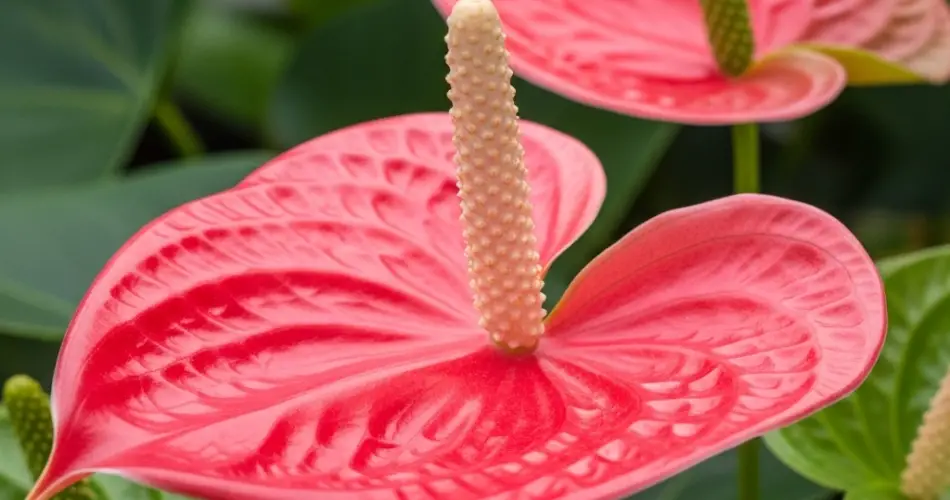
The flamingo flower, also known as Anthurium andraeanum, is a striking houseplant known for its glossy heart-shaped leaves and bold, waxy flowers that resemble a flamingo’s silhouette. These long-lasting blooms, which are actually modified leaves called spathes, can appear in red, pink, white, or even purple. With the right care, flamingo flowers can bloom year-round, making them a popular choice for brightening up indoor spaces.
If you’re new to houseplants or simply want to learn how to keep this tropical beauty thriving, here’s a complete beginner-friendly guide to flamingo flower care.
Light Requirements
Flamingo flowers prefer bright, indirect light. In their native tropical environments, they grow beneath the forest canopy, receiving filtered sunlight. Indoors, a spot near a window with sheer curtains or slightly away from direct rays is ideal.
-
Too much direct sun can scorch the leaves, turning them yellow or brown.
-
Too little light results in poor flowering and slow growth. The plant may become leggy, with fewer blooms.
A good balance is placing the plant near an east-facing window or a few feet from a south or west-facing window with filtered light.
Watering Needs
Flamingo flowers enjoy consistently moist but not soggy soil. Overwatering can lead to root rot, while underwatering will cause drooping and dry leaf tips.
-
Water the plant when the top inch of soil feels dry to the touch.
-
Use room temperature water and avoid wetting the leaves directly, as this can invite fungal issues.
-
Ensure the pot has drainage holes, and always empty excess water from saucers after watering.
In warmer months, watering once a week may be sufficient. In cooler months, water less frequently as the plant’s growth slows.
Humidity and Temperature
Being tropical in origin, flamingo flowers thrive in high humidity and warm temperatures.
-
Aim for humidity levels of 60–80%. If your indoor air is dry, especially in winter, use a humidifier, place a tray of water and pebbles near the plant, or group it with other humidity-loving plants.
-
Ideal temperatures range between 65°F to 80°F (18°C to 27°C).
-
Keep the plant away from cold drafts, heaters, or air conditioning vents, as temperature fluctuations can stress the plant and affect blooming.
Soil and Repotting
Use a light, well-draining potting mix that retains some moisture but doesn’t become waterlogged. A mix designed for orchids or one made from equal parts potting soil, peat moss, and perlite is a great choice.
Repot every 2 to 3 years or when the roots begin to grow out of the pot. Spring is the best time to repot, giving the plant time to adjust during the growing season.
Fertilizing
Regular feeding helps flamingo flowers stay healthy and continue blooming.
-
Use a balanced liquid fertilizer (such as 20-20-20) every 6 to 8 weeks during the growing season (spring to early autumn).
-
Avoid over-fertilizing, which can burn the roots or result in excessive leaf growth at the expense of flowers.
-
In winter, reduce or stop feeding altogether, as the plant enters a rest period.
Pruning and Cleaning
Flamingo flowers don’t require much pruning, but regular grooming helps keep them looking their best.
-
Remove yellowing or dead leaves at the base to encourage new growth.
-
Cut off spent blooms to encourage new flowers and prevent the plant from wasting energy.
-
Wipe the leaves gently with a damp cloth every few weeks to remove dust and improve photosynthesis.
Common Problems and Solutions
1. Brown Leaf Tips
Cause: Low humidity or inconsistent watering.
Fix: Increase humidity and ensure you’re watering properly.
2. Yellow Leaves
Cause: Overwatering, poor drainage, or low light.
Fix: Check soil moisture and light conditions. Adjust as needed.
3. No Flowers
Cause: Insufficient light, lack of nutrients, or stress.
Fix: Move to a brighter spot and feed with a bloom-boosting fertilizer.
4. Root Rot
Cause: Waterlogged soil.
Fix: Repot in fresh, well-draining mix and trim off any blackened roots.
Propagation Tips
Flamingo flowers can be propagated through division when repotting. Gently separate the root ball into two or more sections, making sure each has healthy roots and leaves, then pot them up individually.
Final Thoughts
The flamingo flower brings a touch of tropical elegance to any room. With its glossy foliage and vibrant, long-lasting blooms, it can be a true showstopper when given the proper care. Focus on providing bright, indirect light, consistent moisture, high humidity, and the occasional feed. With these basics in place, even a beginner can enjoy a healthy, blooming flamingo flower all year round.


