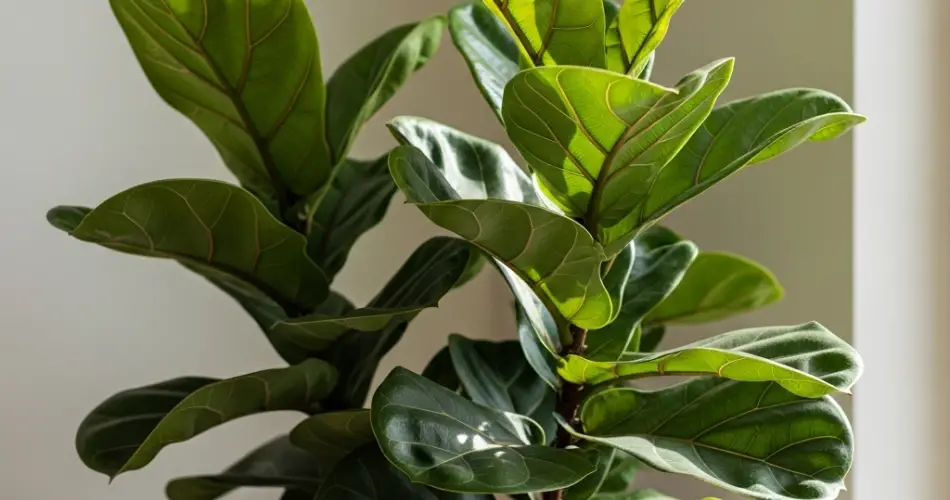
The fiddle leaf fig (Ficus lyrata) is a popular houseplant known for its large, glossy, violin-shaped leaves and dramatic vertical growth. But as stunning as this plant can be, it often needs a little help in the form of pruning to look its best. Without pruning, fiddle leaf figs can become tall and leggy, or develop uneven shapes.
Regular pruning not only improves the appearance of the plant but also encourages healthier, bushier growth. If you’re unsure when or how to prune your fiddle leaf fig, this guide will walk you through the process step by step.
Why Prune a Fiddle Leaf Fig?
Pruning is not just about aesthetics—although it can transform a sparse or overgrown plant into a balanced showpiece. Pruning also helps:
-
Encourage branching for a fuller shape.
-
Control height, especially in indoor spaces with limited vertical room.
-
Remove damaged or diseased leaves, improving plant health.
-
Stimulate new growth during the growing season.
Pruning may feel intimidating at first, but when done correctly, your plant will bounce back stronger and more beautiful than ever.
When to Prune Your Fiddle Leaf Fig
The best time to prune is during the active growing season—typically spring through early summer. Pruning during this time encourages rapid healing and faster regrowth. Avoid pruning in fall or winter, when the plant’s growth slows down and it may struggle to recover.
Tools You’ll Need
Before you start, gather the following tools:
-
Sharp pruning shears or scissors
-
Rubbing alcohol or disinfectant
-
Clean cloth or paper towels
Tip: Always sterilize your cutting tools before and after pruning to prevent spreading disease.
How to Prune Your Fiddle Leaf Fig
1. Decide What You Want to Achieve
Start with a clear goal. Are you trying to:
-
Encourage side branches for a bushier shape?
-
Remove damaged or drooping leaves?
-
Shorten a leggy stem or control overall height?
Knowing your purpose will help guide where and how much to cut.
2. Remove Damaged or Dying Leaves
Begin by trimming any leaves that are yellowing, brown, or drooping significantly. These won’t recover and only drain energy from the healthy parts of the plant. Cut them at the base of the stem, near the main trunk.
3. Prune the Main Stem to Encourage Branching
If your fiddle leaf fig is growing tall and spindly with no side branches, you can top it—this means cutting the main stem to encourage lateral growth.
-
Identify the point where you want the plant to start branching.
-
Make a clean cut just above a node (the small bump on the stem where a leaf grows).
-
Over the next few weeks, you should see new growth emerge from the nodes below the cut.
Pro tip: Don’t be afraid to cut—it may feel drastic, but topping is one of the best ways to encourage a fuller, more tree-like shape.
4. Encourage Branching with Notching
Notching is a gentler way to encourage new branches without removing much of the plant. This involves making a small, diagonal cut about one-third of the way into the stem, just above a node.
-
Use a sterilized blade or knife.
-
Make the cut at a 45-degree angle.
-
Wait a few weeks—often, new branches will sprout from the node just beneath the notch.
This technique can be repeated in multiple spots for a bushier look without drastically altering the height of the plant.
5. Thin Out Crowded Areas
If your plant is very leafy or has multiple branches, remove a few inner leaves to improve airflow and light penetration. This helps prevent disease and encourages healthier growth.
Aftercare: What to Expect
After pruning, your plant may appear sparse, but don’t worry—new growth will follow. To help it recover:
-
Keep the plant in bright, indirect light.
-
Avoid overwatering, as the plant may be slightly stressed.
-
Don’t fertilize immediately; wait a few weeks to give it time to adjust.
You may notice new buds forming along the stem or near the pruning cuts within 2 to 4 weeks, especially during the active growing season.
Final Thoughts
Pruning a fiddle leaf fig may seem intimidating at first, but it’s one of the most effective ways to improve the shape, health, and vibrancy of your plant. Whether you’re topping a tall stem to encourage branching or notching for subtle growth control, each cut signals the plant to redirect its energy into new development.
By pruning regularly and thoughtfully, you can shape your fiddle leaf fig into a dramatic, thriving indoor tree that continues to impress season after season.


