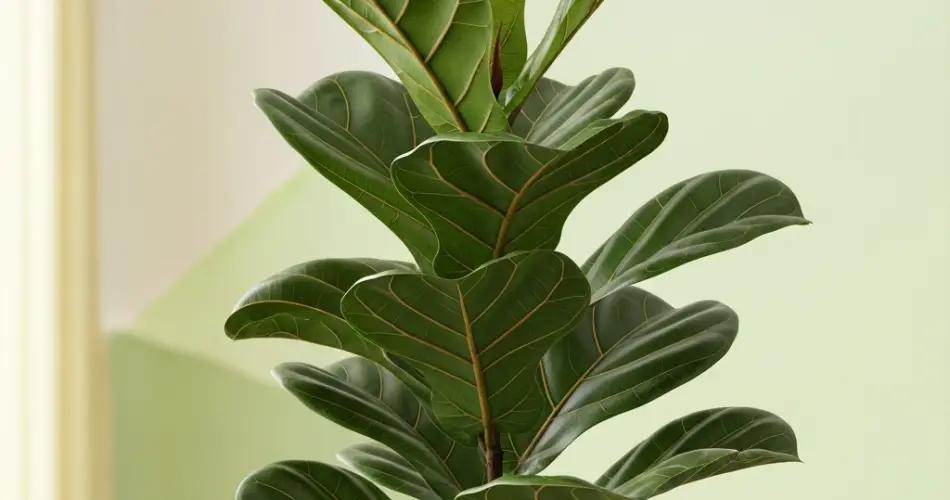
The fiddle leaf fig (Ficus lyrata) is one of the most popular indoor plants, known for its large, violin-shaped leaves and bold presence. But if your plant is getting too tall or you simply want more of them, propagation is a great solution. Yes, you can propagate a fiddle leaf fig — and with the right steps, it’s a rewarding way to multiply your collection or gift a plant to someone else.
Propagation isn’t difficult, but success depends on timing, method, and post-care. Here’s a detailed, step-by-step guide to propagating a fiddle leaf fig from a cutting.
When to Propagate a Fiddle Leaf Fig
The best time to propagate a fiddle leaf fig is in spring or early summer, during its active growing season. This allows the cutting to develop roots more quickly and reduces the risk of shock. Avoid propagating in fall or winter, when the plant’s growth naturally slows down.
What You’ll Need
Before you begin, gather the following materials:
-
A sharp, clean pruning shears or knife
-
A healthy fiddle leaf fig with mature leaves
-
A glass jar or vase for rooting in water
-
Potting mix (if rooting in soil)
-
A small pot with drainage holes (for transplanting)
-
Optional: rooting hormone and plastic bag (for a greenhouse effect)
Step-by-Step Guide to Propagation
1. Select a Healthy Stem
Choose a healthy, mature stem with at least two to three leaves and a visible node — the slightly raised bump on the stem where leaves grow. This node is crucial because that’s where roots will form.
Look for a section that is not too young or too woody. A semi-firm, green stem about 6 inches (15 cm) long is ideal.
2. Make a Clean Cut
Using sterilized pruning shears or a knife, make a diagonal cut just below a node. The diagonal angle increases the surface area for rooting and prevents water from pooling on the cut site.
Remove any lower leaves, leaving one or two at the top. This reduces water loss through transpiration and helps the cutting focus on root development.
3. Choose a Rooting Method: Water or Soil
You can propagate fiddle leaf fig cuttings in water or soil, depending on your preference.
Water Propagation Method
-
Place the cutting in a clean jar filled with room temperature water, ensuring the node is submerged.
-
Keep the jar in a warm, bright location with indirect sunlight.
-
Change the water every 3–4 days to prevent bacterial growth.
-
After 3 to 6 weeks, you should see roots forming from the node. Once roots are about 2 inches (5 cm) long, it’s time to pot the cutting in soil.
Pros: Easier to monitor root growth.
Cons: Plants may take time to adjust when transferred to soil.
Soil Propagation Method
-
Dip the cut end in rooting hormone (optional, but helps speed up root development).
-
Insert the cutting into moist, well-draining potting mix.
-
Cover the pot loosely with a plastic bag to create a humid environment, but leave space for airflow to prevent mold.
-
Place in a bright area with indirect light.
-
Mist the soil to keep it moist but not soggy. After about 4–6 weeks, gently tug on the cutting — if you feel resistance, roots have formed.
Pros: No need to transplant later.
Cons: Root development is harder to track.
Transplanting and Aftercare
Once your cutting has developed strong roots, transplant it into a small pot filled with a quality potting mix. Make sure the pot has drainage holes to avoid root rot.
Here’s how to ensure your new plant thrives:
-
Keep the soil lightly moist, especially during the first few weeks.
-
Place the pot in a bright spot with indirect light.
-
Avoid fertilizing until new leaves appear. Then you can begin feeding with a diluted, balanced fertilizer every 4–6 weeks during the growing season.
New growth can take time, so be patient. Once the roots are established, you’ll see new leaves pushing out from the top of the cutting.
Tips for Successful Propagation
-
Always use clean, sharp tools to prevent infection.
-
Avoid direct sunlight, which can scorch the cutting or dry out the soil.
-
Don’t panic if leaves drop — this is common during the rooting process.
-
Use filtered or distilled water for water propagation, especially if your tap water is high in chlorine or salts.
-
Maintain a warm environment (65–75°F or 18–24°C) to encourage rooting.
Final Thoughts
Propagating a fiddle leaf fig is not only possible — it’s also simple and satisfying with the right technique. Whether you choose water or soil propagation, watching a cutting grow roots and eventually develop into a new plant is one of the most rewarding parts of plant care.
Give it a try and grow your own lush fiddle leaf fig forest, one cutting at a time.


