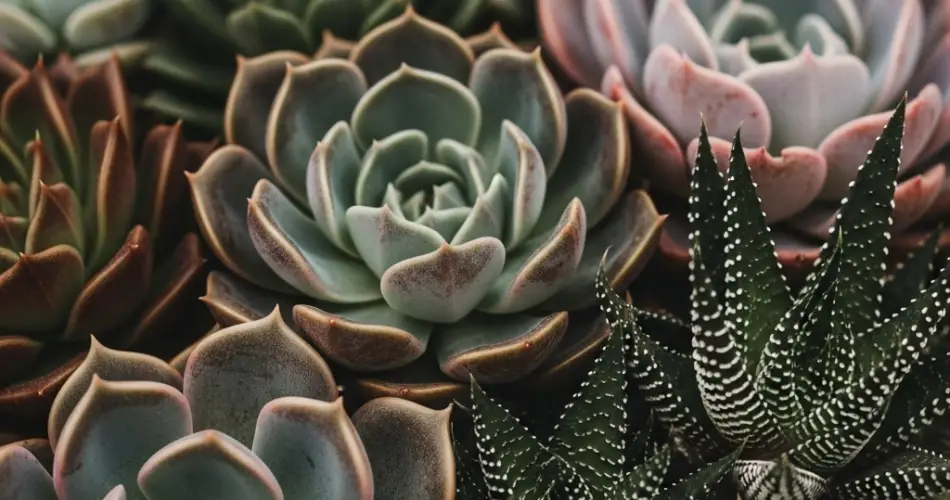
Succulents are often praised for being low-maintenance and nearly indestructible, but even these hardy plants can run into trouble. From overwatering to sunburn, there are several common issues that can affect their health and appearance. The good news is that most of these problems are easy to diagnose and correct—if you know what to look for.
This guide walks you through the most frequent problems succulent growers encounter, along with practical tips to fix them and prevent future damage.
1. Mushy, Transparent Leaves — Overwatering
The problem:
Succulent leaves turning mushy, translucent, or falling off easily are classic signs of overwatering. Succulents store water in their leaves, so they don’t need frequent watering like other plants. Too much moisture leads to root rot, which can kill the plant quickly if not addressed.
The fix:
-
Immediately stop watering and let the soil dry out completely.
-
Remove any affected leaves.
-
If the roots are rotting, unpot the plant and cut off the damaged roots.
-
Repot in dry, well-draining soil and wait a few days before watering again.
Prevention:
Use pots with drainage holes and only water when the soil is fully dry—typically every 2–3 weeks, depending on humidity and temperature.
2. Wrinkled, Shriveled Leaves — Underwatering
The problem:
While succulents don’t like too much water, they still need hydration. If the leaves appear wrinkled, thin, or shriveled, your plant is likely thirsty.
The fix:
-
Water the plant deeply, allowing excess to drain out.
-
Within a day or two, the leaves should plump back up.
Prevention:
Check the soil every week. If it’s completely dry a couple of inches down, it’s time to water.
3. Stretched or Leggy Growth — Not Enough Light
The problem:
Succulents grown in low light may stretch or become leggy, a condition known as etiolation. The plant elongates toward the light source, often losing its compact shape.
The fix:
-
Move your succulent to a brighter location with indirect sunlight.
-
If the plant is severely stretched, consider cutting the top and replanting it as a new propagation.
Prevention:
Succulents need at least 4–6 hours of bright, indirect sunlight per day. Use grow lights if natural light is insufficient.
4. Brown, Crispy Leaf Tips — Sunburn
The problem:
Sudden exposure to intense sunlight, especially after being indoors, can cause sunburn. Brown or white patches on the leaves signal damage from too much direct sun.
The fix:
-
Remove the damaged leaves if they’re unsightly.
-
Move the plant to a location with filtered light or partial shade.
Prevention:
Gradually introduce indoor succulents to direct sunlight over a week or two. Avoid placing them in intense afternoon sun without acclimation.
5. Leaves Falling Off Easily — Stress or Shock
The problem:
If your succulent suddenly drops its leaves, it could be due to environmental stress, such as abrupt temperature changes, moving to a new location, or transplanting.
The fix:
-
Allow the plant time to adjust.
-
Keep it in a stable environment with moderate light and temperature.
Prevention:
Avoid sudden changes in conditions. When transplanting, handle the roots gently and avoid watering immediately after repotting.
6. Rotting Stems or Base — Root or Stem Rot
The problem:
If the stem near the soil line turns brown or black and feels soft, you may be dealing with stem or root rot caused by prolonged moisture.
The fix:
-
Cut away all affected tissue with a sterile knife.
-
Let the healthy part callous over for a day or two.
-
Replant in dry, gritty soil and avoid watering for a few days.
Prevention:
Always use fast-draining soil and pots with good drainage. Avoid watering the crown or letting water pool around the base.
7. Pests — Mealybugs and Aphids
The problem:
Small white cottony spots (mealybugs) or clusters of tiny green or black insects (aphids) can sap nutrients from your plant and stunt its growth.
The fix:
-
Isolate the plant immediately.
-
Use a cotton swab dipped in rubbing alcohol to remove mealybugs.
-
Spray aphids off with a mixture of water and a few drops of dish soap.
Prevention:
Inspect new plants before bringing them home. Keep plants clean and avoid overcrowding.
Final Thoughts
Succulents may be low-maintenance, but they’re not maintenance-free. Understanding the common problems these plants face—and knowing how to fix them—will help you keep your collection healthy and thriving. Whether it’s correcting your watering habits or finding the right lighting conditions, small changes in care can make a big difference.
With the right environment and a bit of attention, your succulents will reward you with vibrant growth and long-lasting beauty.


