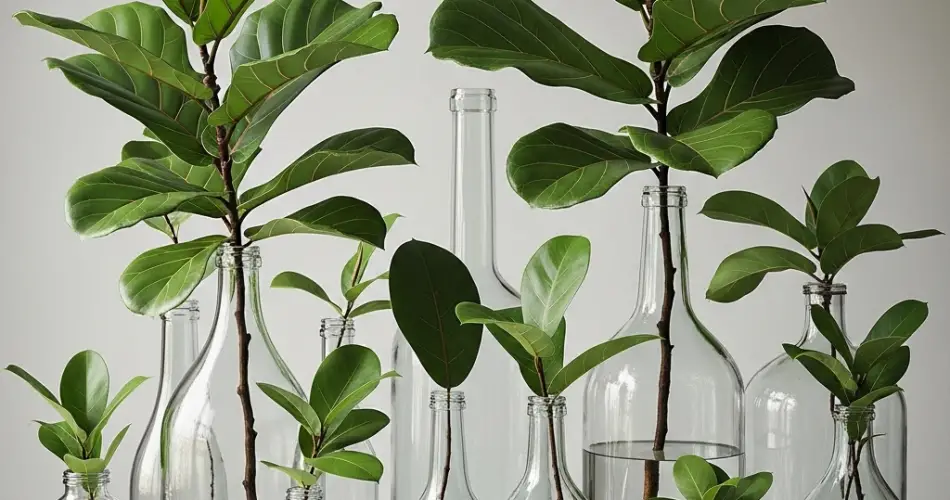
The fiddle leaf fig (Ficus lyrata) is a popular houseplant known for its large, violin-shaped leaves and bold, architectural presence. It’s a favorite in modern interior design and adds a touch of greenery and elegance to any space. While typically grown in large pots, the fiddle leaf fig can also be propagated and even temporarily grown in clear plastic bottles. This method is not only visually striking but also eco-friendly, offering a stylish and sustainable way to enjoy this statement plant at home.
Why Choose Bottle Gardening for Fiddle Leaf Fig?
Repurposing plastic bottles for plant propagation and growing offers multiple benefits. First, it reduces household plastic waste. Second, transparent containers allow you to observe root development, which is especially useful for propagation. And third, this minimalist setup gives a modern and clean aesthetic, making it perfect for desks, windowsills, or small urban spaces.
Fiddle leaf figs are relatively easy to propagate from stem cuttings, and using a bottle filled with water is one of the most effective ways to start. Once roots are established, you can either keep the plant in water for a while or transfer it into soil.
Selecting and Prepping Your Bottle
Start with a clean, clear plastic bottle—1 to 2-liter soda bottles work well. Cut the bottle horizontally, about one-third of the way from the top. The bottom half will serve as your propagation container.
You can also use the top half as a support by inverting it and placing it inside the bottom half. This setup can help hold the cutting upright and reduce evaporation. If you prefer, trim the bottle opening so it can cradle the stem without pressing too tightly against it.
Make sure there are no sharp edges that could damage the plant stem, and rinse the bottle thoroughly before use.
Preparing the Cutting
To propagate a fiddle leaf fig in water:
-
Select a healthy stem that’s at least 6–8 inches long and includes 1–2 leaves.
-
Cut the stem just below a node (the point where a leaf attaches to the stem). This is where roots will form.
-
Remove the bottom leaf so it doesn’t sit in the water and cause rot.
-
Allow the cutting to sit in a shaded, dry place for a few hours so the cut can callous over slightly—this helps reduce the risk of rot when placed in water.
Water Propagation in a Bottle
Fill the bottom half of your bottle with clean, room-temperature water—just enough to submerge the node where you want roots to form. Do not allow any leaves to touch the water, as this can lead to decay.
Place the cutting in the bottle, ensuring the stem sits securely and the node is submerged. Position the bottle in a warm, bright area with indirect sunlight. Avoid direct sun, which can overheat the bottle and damage the cutting.
Change the water every 5–7 days to keep it clean and oxygenated. Within 2–4 weeks, you should start to see roots emerging. Some cuttings take longer, so be patient and avoid disturbing the developing roots too often.
Moving to Soil
Once roots are 2–3 inches long, the cutting is ready to be transplanted into soil. Choose a pot with good drainage and fill it with a mix of potting soil, perlite, and peat or coco coir to ensure good aeration and moisture balance.
Plant the cutting gently, cover the roots with soil, and press lightly to secure the stem. Water thoroughly and place the new plant in a spot with bright, indirect light.
You can also choose to grow the fiddle leaf fig hydroponically in water for a longer period, though this requires more attention to water quality and nutrient supplementation.
Care Tips for Your Growing Fig
-
Light: Fiddle leaf figs thrive in bright, indirect light. Rotate the plant regularly so it grows evenly and doesn’t lean toward the light source.
-
Humidity: They prefer a slightly humid environment. If your home is dry, mist the leaves occasionally or use a humidity tray.
-
Water: Once in soil, water when the top inch of soil is dry. Avoid overwatering, which can lead to root rot.
-
Cleaning: Wipe the leaves occasionally with a damp cloth to remove dust and help the plant photosynthesize effectively.
A Modern and Green Statement
Growing or propagating a fiddle leaf fig in a plastic bottle is a perfect blend of sustainability and style. It’s a simple yet elegant way to start new plants while giving new life to everyday materials. Whether you’re showcasing a rooting cutting in a clear bottle or creating a full-grown fig tree in a recycled container, this method brings a fresh, contemporary feel to indoor gardening.
With minimal cost and maximum impact, you can enjoy the beauty of this iconic plant while supporting a greener lifestyle.


