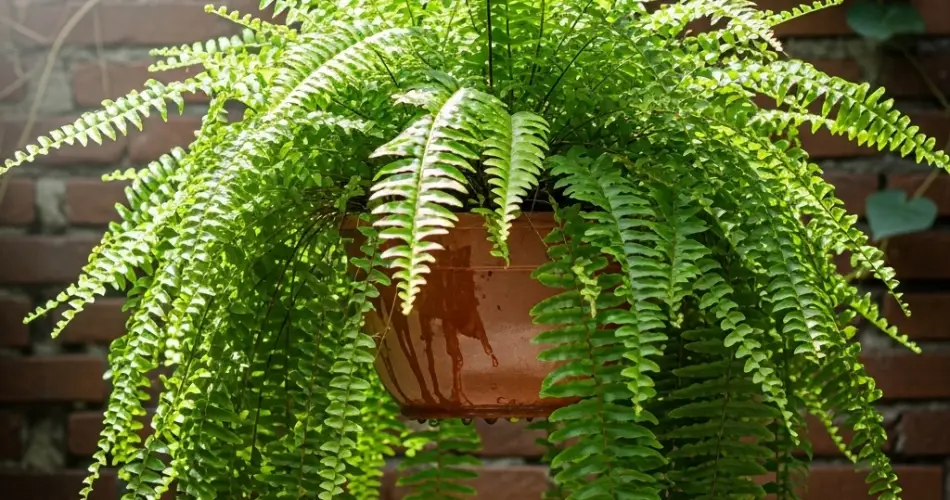
Ferns are a timeless favorite in indoor and outdoor gardens, admired for their lush fronds and graceful appearance. While they are not heavy feeders, ferns still benefit from the right nutrients to maintain their vibrant green color and steady growth. Fertilizing them properly can mean the difference between a plant that simply survives and one that truly thrives.
To help you care for your ferns like a pro, let’s break down when to fertilize, the best methods, and which products work best for their delicate nature.
Why Fertilizing Matters for Ferns
In their natural habitat, ferns grow in rich, decomposing plant matter that constantly replenishes nutrients in the soil. Indoors or in pots, however, that natural cycle doesn’t happen. Over time, watering washes nutrients out of the soil, leaving the plant with less to sustain healthy growth.
A proper fertilization schedule:
-
Encourages vibrant, green fronds.
-
Promotes steady growth.
-
Helps the plant resist pests and diseases.
-
Supports recovery after pruning or repotting.
Without enough nutrients, ferns may become pale, grow more slowly, or develop weak fronds.
When to Fertilize Ferns
Ferns have a natural growth cycle, and fertilizing at the right time supports them best.
-
Spring and Summer – This is the active growing season for most ferns. Fertilize regularly during these months to support new frond development.
-
Autumn – Begin reducing feeding as growth slows.
-
Winter – Many indoor ferns enter a rest period during the colder months. Stop or greatly reduce feeding during this time, as over-fertilizing when the plant is dormant can damage the roots.
Tip: Observe your fern’s growth patterns. If it continues producing new fronds in winter (common in warm, humid indoor environments), you can continue light feeding once every 6–8 weeks.
How to Fertilize Ferns Correctly
Ferns are sensitive plants, so applying fertilizer improperly can cause more harm than good. Here’s how to feed them safely:
1. Dilute the Fertilizer
Always dilute liquid fertilizer to half the strength recommended on the label. Fern roots and fronds can burn easily if the solution is too strong.
2. Apply After Watering
Never fertilize dry soil—doing so increases the risk of root burn. Water the plant first, then feed it so nutrients are absorbed more evenly.
3. Use the Right Frequency
During the growing season, fertilize every 4–6 weeks for most ferns. For slower-growing varieties, every 6–8 weeks may be sufficient.
4. Watch for Reactions
If fronds develop brown tips soon after fertilizing, the solution may be too strong or applied too often. In this case, flush the soil with clean water to wash out excess salts.
Best Fertilizers for Ferns
The right fertilizer should be gentle, balanced, and suited for leafy plants. Here are some excellent options:
1. Balanced Liquid Fertilizers
Choose a formula with equal amounts of nitrogen (N), phosphorus (P), and potassium (K), such as a 10-10-10 or 20-20-20 mix. These supply all the essential nutrients for healthy foliage.
2. Seaweed or Fish Emulsion
These organic options are rich in micronutrients and promote lush growth without overwhelming the plant. They also improve soil health over time.
3. Slow-Release Granules
For outdoor ferns or large potted specimens, slow-release fertilizers can provide a steady nutrient supply over several months. Be sure to follow dosage instructions carefully.
4. Compost Tea
A natural, gentle feeding option made from soaking compost in water. It provides mild nutrients while improving soil texture and microbial activity.
Special Considerations for Indoor Ferns
Indoor ferns tend to grow more slowly than outdoor ones, meaning they require less fertilizer. Overfeeding is a common mistake that leads to root and leaf damage.
-
Avoid high-phosphorus fertilizers, as they can harm fern roots.
-
Keep leaves clean by gently wiping or rinsing them to prevent dust buildup, which improves nutrient absorption.
-
Consider supplementing with trace elements like magnesium or iron if you notice yellowing between leaf veins.
Troubleshooting Fertilizer Problems
-
Brown leaf tips or edges – Usually caused by fertilizer burn or low humidity.
-
Yellowing fronds – Can be a sign of nutrient deficiency, but also check watering habits.
-
Slow or stunted growth – May indicate the plant needs more frequent feeding during its active season.
If you suspect over-fertilization, stop feeding for a month and flush the soil thoroughly with water.
Final Tips for Healthy, Well-Fed Ferns
-
Match fertilizer strength to the plant’s needs rather than using full-strength formulas.
-
Keep a simple calendar or reminder to avoid both neglect and overfeeding.
-
Combine fertilization with proper watering, humidity, and light conditions for best results.
By understanding your fern’s natural growth rhythm and providing nutrients at the right time in the right way, you’ll maintain lush, vibrant fronds year-round. A gentle approach with diluted fertilizer ensures you meet their needs without risking damage, keeping your fern healthy and beautiful for years to come.


