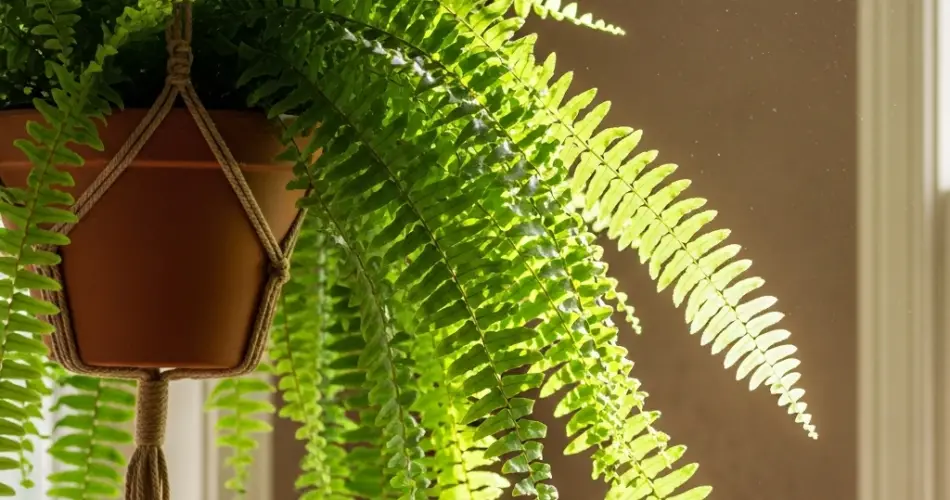
Boston ferns (Nephrolepis exaltata) and maidenhair ferns (Adiantum spp.) are two of the most popular indoor fern varieties. Boston ferns are known for their arching, feather-like fronds, while maidenhair ferns are loved for their delicate, fan-shaped leaflets. Both bring lush greenery and a refreshing, natural feel to any indoor space. However, these ferns require a specific set of conditions to truly thrive indoors.
This guide covers the essential techniques for growing both varieties successfully, from light and humidity to watering, feeding, and grooming.
1. Choosing the Right Spot
Both Boston and maidenhair ferns prefer bright, indirect light. Direct sunlight can scorch their leaves, but too little light may cause sparse growth and pale fronds.
-
Boston ferns can handle slightly brighter spots, such as near an east-facing window or several feet from a south-facing window.
-
Maidenhair ferns are more sensitive to strong light and do best in softly lit areas, such as near a north-facing window or in filtered light.
If natural light is limited, a full-spectrum grow light can supplement daylight. Position the light about 12–18 inches above the plant for a balanced effect.
2. Maintaining Ideal Humidity
Both ferns come from naturally humid environments and suffer when indoor air is too dry. Without adequate humidity, fronds may develop crispy tips or drop prematurely.
-
Use a humidifier to maintain humidity levels of at least 50–60%.
-
Group plants together to create a shared microclimate.
-
Place pots on pebble trays filled with water, ensuring the pot’s base stays above the waterline.
Regular misting can help, especially for maidenhair ferns, but it should be done in the morning to allow leaves to dry before nightfall.
3. Watering with Precision
Watering habits are one of the most critical aspects of fern care. Both Boston and maidenhair ferns prefer consistently moist soil, but not soggy conditions that could lead to root rot.
-
Boston ferns can tolerate slightly more dryness between waterings, but never let the soil dry out completely.
-
Maidenhair ferns are more demanding and should be watered as soon as the top layer of soil feels slightly dry.
Always use room-temperature water, preferably filtered or rainwater, as these plants can be sensitive to the salts and chemicals in tap water.
4. Selecting the Right Soil and Pot
Ferns grow best in a loose, well-draining soil mix that holds moisture without becoming waterlogged.
A good mix can include:
-
Two parts peat moss or coco coir
-
One part perlite or coarse sand
-
One part compost or leaf mold for added nutrients
Choose a pot with drainage holes to prevent excess water buildup. A slightly snug pot encourages healthy root development, but repot every 1–2 years to refresh the soil and give roots more room.
5. Feeding for Steady Growth
During the growing season (spring through early fall), both ferns benefit from regular feeding.
-
Use a balanced liquid fertilizer diluted to half strength every 4–6 weeks.
-
Avoid feeding in winter, when growth naturally slows.
-
For sensitive maidenhair ferns, opt for a mild, organic fertilizer to prevent chemical burn.
6. Grooming and Cleaning Fronds
Healthy fronds not only look attractive but also keep the plant functioning efficiently.
-
Remove brown, damaged, or yellow fronds by trimming them at the base.
-
Dust fronds regularly with a soft brush or gentle spray of water to allow maximum light absorption.
-
For Boston ferns, occasional pruning can help maintain a compact, bushy shape.
Maidenhair ferns may shed fronds more readily; don’t panic if this happens—trim back dead stems and adjust care to encourage regrowth.
7. Managing Seasonal Changes
Indoor climates change with the seasons, and your ferns will need adjustments in care.
-
Winter – Indoor heating can reduce humidity drastically; increase misting or humidifier use. Reduce watering frequency but do not allow the soil to dry out completely.
-
Summer – Watch for overheating near sunny windows. Water more frequently and increase airflow to prevent fungal issues.
8. Common Issues and Solutions
-
Brown tips – Usually caused by low humidity or inconsistent watering. Increase moisture and maintain even soil dampness.
-
Yellow fronds – Often a sign of overwatering or poor drainage. Check the potting mix and pot holes.
-
Sparse growth – May result from insufficient light. Move the fern closer to a brighter location or add a grow light.
Final Thoughts
Boston and maidenhair ferns can be stunning indoor plants when given the right environment. Both require consistent moisture, high humidity, and gentle light, but maidenhair ferns need a bit more delicacy in watering and placement. Regular grooming, feeding, and seasonal adjustments will keep your ferns lush, green, and thriving year-round.
With patience and attentive care, these classic indoor ferns can turn your living space into a refreshing, green sanctuary.


