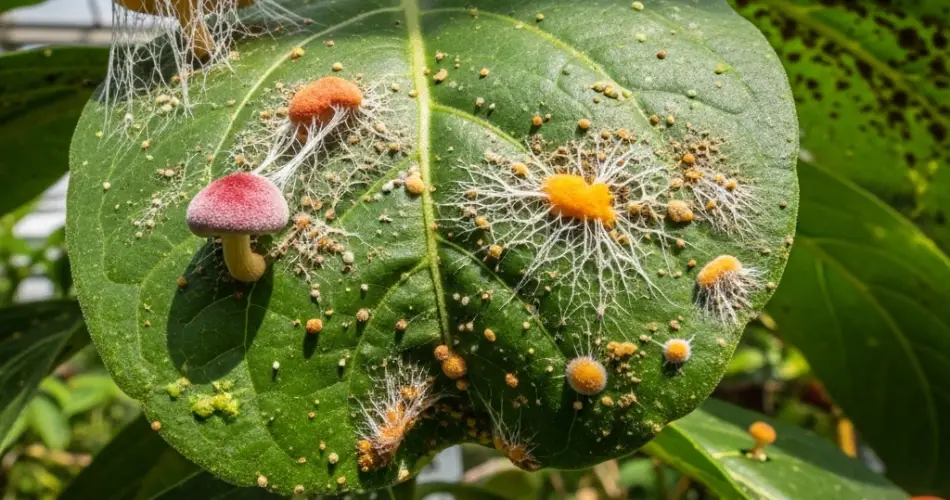
Fungal infections are one of the most common and frustrating issues faced by home gardeners. Whether it’s powdery mildew, leaf spot, or mold on the soil surface, fungi can quickly weaken and even kill otherwise healthy plants. While chemical fungicides are available, many gardeners prefer safer, natural solutions—especially in edible gardens and indoor spaces.
Fortunately, there’s an effective and easy-to-make homemade fungicide that can help eliminate these issues without harming your plants, pets, or the environment. With just a few household ingredients, you can protect your urban garden from fungal diseases and promote healthier, more vibrant plant growth.
Understanding Fungal Problems in Plants
Fungal pathogens thrive in humid, poorly ventilated, or overwatered environments. They often appear as:
-
White powder on leaves (powdery mildew)
-
Black or brown spots (leaf spot, anthracnose)
-
Mold on the soil surface or stems
-
Rotting roots or yellowing leaves
Fungi can spread quickly if not addressed, and some are persistent enough to return season after season unless controlled.
The Homemade Fungicide That Works
This simple DIY fungicide uses ingredients that are safe for both humans and plants but are hostile to fungi. The key components are baking soda, vegetable oil, and liquid soap. Each plays a specific role:
-
Baking soda (sodium bicarbonate): Alters the pH on the surface of plant leaves, making it difficult for fungi to grow.
-
Vegetable oil: Helps the solution stick to the leaves and smother spores.
-
Liquid soap (biodegradable and fragrance-free): Acts as an emulsifier and helps the mixture spread evenly.
How to Make the Fungicide
Ingredients:
-
1 liter (4 cups) of water
-
1 tablespoon of baking soda
-
1 tablespoon of vegetable oil (e.g., sunflower, olive, or canola)
-
1 teaspoon of liquid soap (mild, non-antibacterial)
Instructions:
-
Mix the baking soda and vegetable oil in the water.
-
Add the liquid soap last and stir gently.
-
Pour the mixture into a clean spray bottle.
Use the solution immediately and store any leftover mix for no more than 24 hours. Shake well before each use, as ingredients may separate.
How to Apply
-
Spray the fungicide directly onto affected leaves, both top and underside.
-
Apply early in the morning or late in the afternoon to avoid sunburn on leaves.
-
Do not apply in full sun or during high temperatures, as this may damage plants.
-
Repeat every 5 to 7 days until symptoms subside.
-
For prevention, spray once every 2–3 weeks during humid seasons.
Always test on a small area of the plant first, especially on delicate or sensitive species, to check for reactions.
Tips for Best Results
-
Improve air circulation: Space out plants and prune dense foliage to reduce humidity.
-
Water wisely: Avoid wetting leaves. Water at the base of the plant early in the day.
-
Remove infected leaves: Dispose of any diseased plant material away from the garden.
-
Keep soil healthy: Use well-draining potting mix and avoid overwatering.
-
Use mulch sparingly: Organic mulch can trap moisture. Keep it away from stems.
Plants That Often Benefit From This Fungicide
This solution is suitable for use on many plants, including:
-
Tomatoes and peppers
-
Cucumbers and zucchini
-
Roses and ornamental shrubs
-
Herbs like basil and mint
-
Houseplants such as pothos, monstera, and ferns
Because it’s gentle, this homemade fungicide is ideal for both edible crops and indoor plants.
When Not to Use It
-
Avoid using this solution on plants during the hottest part of the day.
-
Don’t apply right before heavy rain, as it can wash off.
-
Refrain from overusing it on young seedlings or very tender plants.
Additional Natural Alternatives
If you want to rotate solutions or deal with stubborn fungi, consider these alternatives:
-
Chamomile tea spray: Mild antifungal for seedlings and herbs.
-
Cinnamon powder: Sprinkle on soil to reduce surface mold.
-
Hydrogen peroxide (diluted): Helps disinfect soil and roots.
-
Neem oil spray: Broad-spectrum organic pesticide and fungicide.
These can be used in combination or alternated with the baking soda spray for even greater protection.
Final Thoughts
Fungi may be a persistent enemy in the garden, but with the right homemade remedy, they don’t have to ruin your plants. This simple DIY fungicide is safe, budget-friendly, and highly effective when applied correctly. By combining good plant hygiene with regular treatment, you can eliminate existing infections and prevent future outbreaks.
Gardening doesn’t have to involve harsh chemicals. Sometimes, the most effective solutions are the ones already in your kitchen. Try this homemade fungicide, and enjoy healthier, fungus-free plants in your urban or home garden.


