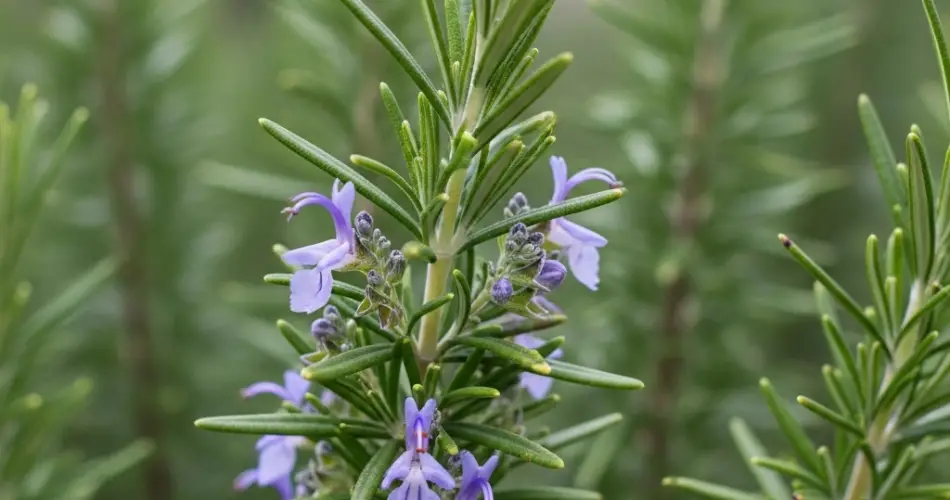
Rosemary is one of the most resilient and aromatic herbs you can grow, but like any plant, it thrives best when given the right care. If your rosemary is struggling—growing slowly, turning yellow, or appearing lifeless—it may be time to adjust your routine. Fortunately, one simple change can make a big difference. With just a few key tips, your rosemary can become bushier, more fragrant, and healthier, whether it’s growing in a pot on your balcony or in a small garden bed.
Let’s explore the secrets to keeping potted rosemary strong and thriving, even in compact urban spaces.
Why Rosemary is Perfect for Urban Gardens
Rosemary (Rosmarinus officinalis) is ideal for city dwellers and container gardeners for several reasons:
-
It thrives in pots and requires little space.
-
It’s drought-resistant and doesn’t demand constant watering.
-
It can be used in cooking, teas, and homemade remedies.
-
With the right care, it can last for years and produce continuously.
Yet despite being hardy, rosemary is sensitive to a few key conditions—especially when grown in pots. The most common issues people face are poor drainage, overwatering, and lack of pruning.
The Tip That Changed Everything: Let It Dry
One of the most important lessons in rosemary care is this: let the soil dry completely between waterings. Rosemary hates “wet feet” and can suffer root rot if its roots stay moist for too long. Overwatering is one of the most common reasons rosemary dies, especially in pots without proper drainage.
Here’s how to water rosemary correctly:
-
Only water when the top inch of soil is completely dry.
-
Use pots with drainage holes to avoid water accumulation.
-
In cooler months, reduce watering to once every two or three weeks.
-
In warmer weather, water more frequently, but still wait for the soil to dry out first.
This simple adjustment can dramatically improve the health of your rosemary plant.
Light and Location Matter
Rosemary is native to the Mediterranean, where it enjoys long hours of sun and well-drained soil. To replicate this in your urban setting:
-
Place your rosemary in the sunniest location possible. It needs at least 6–8 hours of direct sunlight per day.
-
If you’re growing indoors, place it by a south-facing window or use a grow light.
-
Outdoors, choose a spot with good air circulation to prevent fungal issues.
Soil and Potting Essentials
Choosing the right potting mix is crucial. Rosemary prefers a light, well-draining soil with some sand or perlite mixed in.
You can create your own rosemary-friendly mix using:
-
1 part cactus or succulent soil
-
1 part regular potting mix
-
Optional: ½ part perlite or coarse sand
This blend helps keep the soil loose and airy, which prevents water from sitting around the roots.
Make sure to use a terracotta or clay pot, which allows excess moisture to evaporate. Plastic pots tend to hold too much water, which rosemary dislikes.
Pruning for Strength and Shape
Regular pruning is essential for rosemary to stay bushy and strong. Left untrimmed, it can become leggy and woody.
Here’s how to prune:
-
Use clean, sharp scissors or garden shears.
-
Trim back about one-third of the new growth every few months.
-
Focus on cutting just above a leaf node to encourage branching.
-
Avoid cutting into the woody stems; rosemary doesn’t recover well from cuts too deep into the old growth.
Pruning not only improves the shape of the plant but also stimulates new growth and increases airflow between branches.
Natural Fertilizer for Healthier Growth
Although rosemary doesn’t require heavy feeding, a gentle, natural fertilizer can boost its vitality. Use organic compost, worm castings, or a mild homemade tea made from banana peel or eggshells once every 6–8 weeks.
Avoid nitrogen-heavy fertilizers, which may encourage soft growth that is more vulnerable to pests and disease. A light feeding during spring and summer is usually sufficient.
Pests and Problems to Watch For
Rosemary is fairly pest-resistant but can occasionally suffer from:
-
Aphids
-
Spider mites
-
Fungal leaf spots (due to excess moisture)
If pests appear, gently spray the plant with diluted neem oil or soapy water once a week until they’re gone. Make sure to improve airflow and avoid overhead watering to reduce fungal risks.
Winter Care Tips
If you live in a colder climate, rosemary in pots should be brought indoors or protected from frost. Keep it in a bright, cool room and reduce watering during winter months. Rosemary can survive down to about -5°C (23°F) if sheltered, but it prefers not to freeze.
Final Thoughts
By making a few adjustments—especially letting the soil dry completely between waterings—you can help your rosemary plant grow stronger, fuller, and healthier. This low-maintenance herb rewards attention with fresh, fragrant sprigs that you can harvest year-round. Whether you’re growing it on a windowsill, a balcony, or in a small backyard bed, rosemary thrives with just a little care and understanding.
Try applying these tips today, and soon you’ll have a thriving rosemary plant that becomes a beautiful and useful part of your home garden.


