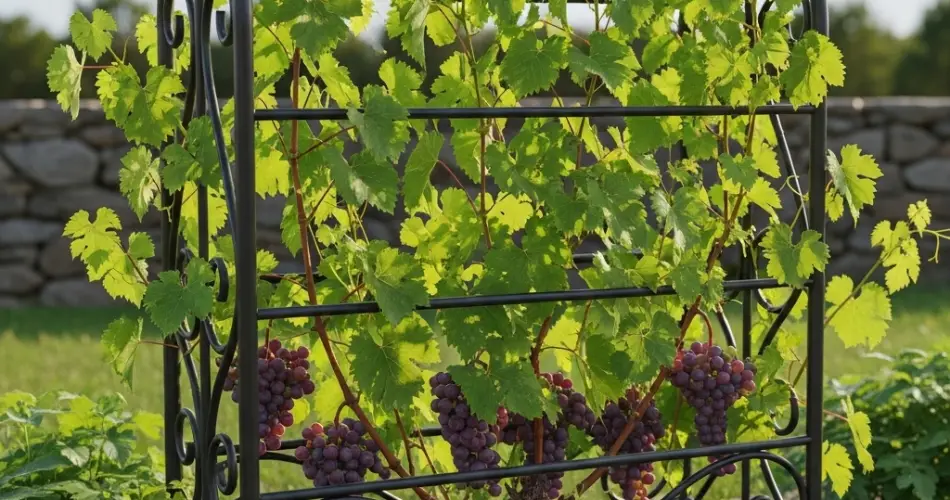
Grapevines have long been admired for their beauty and productivity, gracing gardens with lush foliage and clusters of sweet fruit. Traditionally, they were grown in expansive vineyards or across sprawling arbors, but today’s gardeners are discovering creative ways to integrate grapevines into stylish landscapes. One of the most elegant and practical options is the use of metal trellises. Strong, versatile, and visually striking, metal trellises provide the perfect balance of form and function, enhancing both the growth of grapevines and the overall design of the garden.
Why Metal Trellises Stand Out
Unlike wooden trellises, which may weaken over time, or simple wire supports, which lack decorative appeal, metal trellises offer durability and style in one structure. Powder-coated steel, wrought iron, or aluminum trellises resist weather damage and can easily support the considerable weight of mature grapevines heavy with fruit.
Beyond their strength, metal trellises come in a wide variety of designs. From sleek, modern panels to ornate scrollwork, they can complement any garden style, whether contemporary, rustic, or Mediterranean-inspired. Their architectural presence makes them more than just plant supports—they become focal points that transform an outdoor space.
Designing with Metal Grape Trellises
Incorporating metal grape trellises into your garden design opens up countless possibilities. Here are a few popular approaches:
1. Garden Walls and Boundaries
Metal trellises can be installed along fences or walls to create living partitions. Grapevines trained over these trellises form lush, green backdrops that soften hard boundaries and bring privacy to outdoor seating areas.
2. Pathway Arches
Arched metal trellises covered in grapevines make enchanting walkways. As the vines grow overhead, they create natural tunnels of shade, perfect for strolling on warm afternoons. When grapes ripen, the archway becomes both functional and breathtakingly beautiful.
3. Standalone Trellis Sculptures
In open garden spaces, freestanding metal trellises can serve as sculptural elements. Their bold designs, combined with the organic movement of grapevines, create striking contrasts that enhance the elegance of the landscape.
4. Balcony and Patio Accents
For urban gardeners, smaller metal trellises are perfect for container grapevines. Positioned on balconies or patios, they maximize vertical growing space while adding greenery and charm to compact areas.
Training Grapes on Metal Trellises
To achieve both beauty and productivity, grapevines need to be trained carefully on trellises. Once planted, vines should be guided along the structure using soft ties or clips. Training methods such as horizontal cordon (guiding vines along horizontal arms) or vertical shoot positioning (directing shoots upward in neat rows) work particularly well with metal trellises.
Pruning is equally important. Each winter, cut back old growth to encourage strong new canes in spring. Not only does this maintain the tidy appearance of the trellis, but it also ensures that the vine produces high-quality grapes rather than excessive foliage.
Functional Benefits of Metal Trellises
Metal trellises offer more than just visual elegance. Their strength ensures long-lasting support, allowing grapevines to thrive for decades. Because they are non-porous, metal structures resist rot, insects, and fungal buildup better than wooden alternatives. Many designs also allow for excellent airflow between the wall or structure and the vines, which helps reduce the risk of mildew and disease.
Additionally, metal trellises are low-maintenance. A quick rinse or occasional repainting is usually enough to keep them looking fresh, even after years of exposure to sun, rain, and wind.
Seasonal Beauty and Year-Round Interest
Grapevines trained on metal trellises change with the seasons, bringing dynamic beauty to the garden year-round. In spring, tender green shoots climb upward, creating a fresh, lively look. Summer brings dense foliage and clusters of developing grapes, while autumn paints the leaves in shades of gold and red before the harvest. Even in winter, the bare framework of the trellis intertwined with sculptural grape canes adds texture and elegance.
Tips for Success
To get the most from your metal grape trellis design, keep these practical tips in mind:
-
Choose the Right Location: Grapevines need full sun—at least 6–8 hours daily—for optimal fruit production.
-
Plant in Well-Draining Soil: Amend soil with compost or organic matter for strong root development.
-
Water Wisely: Deep, infrequent watering encourages resilient roots. Avoid waterlogging.
-
Fertilize Lightly: Too much nitrogen promotes foliage over fruit. A balanced fertilizer in spring is sufficient.
-
Monitor for Pests: While grapes are hardy, watch for aphids, leafhoppers, and mildew. Proper airflow reduces risks.
A Statement of Elegance and Utility
Metal grape trellises embody the union of elegance and practicality. They elevate garden design by offering bold architectural forms while supporting the lush greenery and bounty of grapevines. Whether used to frame an entryway, shade a patio, or add visual structure to an open garden, these trellises turn simple plant supports into works of art.
For gardeners seeking to combine beauty with function, metal grape trellises are a timeless choice. They provide strength, style, and seasonal charm, ensuring that your garden is not only productive but also a reflection of refined design. With thoughtful placement and care, these trellises will reward you year after year with abundant harvests and enduring elegance.


