Eggs are a staple in kitchens around the world, versatile and nutritious. From breakfast scrambles to baked goods, they play an essential role in countless recipes. But did you know that a simple trick—immersing eggs in water before cooking—can make a significant difference in their quality and how you handle them in the kitchen? This easy step, often overlooked, can help you determine freshness, prevent cracking, and improve cooking results.
The Science Behind the Water Test
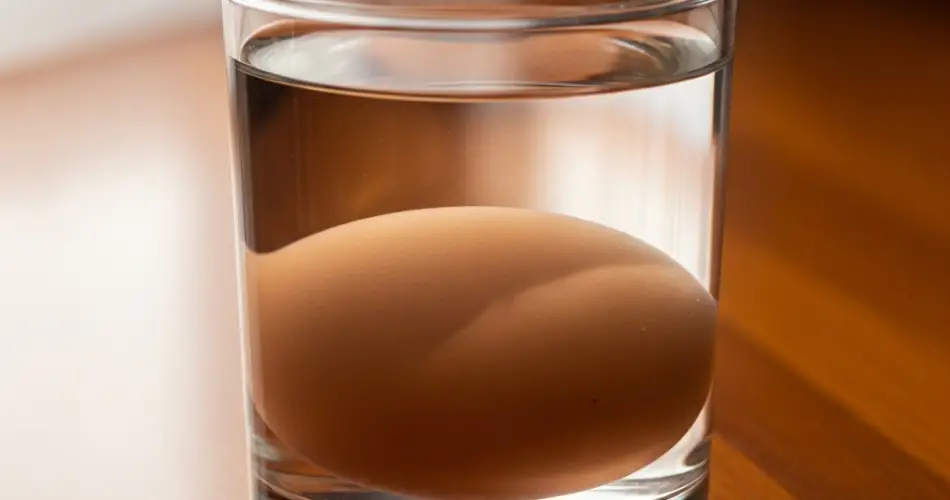
The water test is a simple method to check the freshness of eggs. Eggs are naturally porous, which means air slowly seeps into them over time. As an egg ages, the air pocket inside grows, causing it to float in water rather than sink. Here’s what happens when you place eggs in a glass of water:
-
Fresh Eggs Sink and Lay Flat
If the egg sinks to the bottom and lays flat on its side, it is very fresh. These eggs are ideal for frying, boiling, or poaching because they have tight whites and firm yolks. -
Slightly Older Eggs Stand Upright
Eggs that stand upright on the bottom are still safe to eat but are less fresh. They may be better suited for baking or boiling where the structure is less critical. -
Old Eggs Float
Eggs that float to the surface have a large air pocket and are likely spoiled. The floating occurs because bacteria and gases have developed inside, making them unsafe to consume.
This test is quick, reliable, and requires no special tools—just a glass of water. It is especially useful if you buy eggs in bulk or aren’t sure of their storage history.
Prevent Cracking During Cooking
Immersing eggs in water before cooking isn’t only about testing freshness. It can also help prevent cracking, especially when boiling. Here’s why:
-
Temperature Adjustment: Eggs straight from the refrigerator can crack when plunged into boiling water due to sudden temperature changes. By placing eggs in water first—preferably lukewarm water—you allow them to gradually adjust to the temperature, reducing the likelihood of cracking.
-
Even Cooking: Gradual heating ensures that the egg whites and yolks cook evenly, producing a smoother texture and making peeling easier for hard-boiled eggs.
-
Less Mess: Cracked eggs can leak during boiling, creating foam and cloudiness in the water. This trick minimizes waste and keeps your eggs intact.
Tips for Perfect Eggs
Beyond the water test, here are some additional tips to improve your egg cooking experience:
-
Use Older Eggs for Boiling
Older eggs are easier to peel after boiling. If you’ve checked your eggs with the water test and found a few slightly older ones, reserve them for hard- or soft-boiling. -
Add Salt or Vinegar to Boiling Water
Adding a pinch of salt or a teaspoon of vinegar can help prevent eggs from cracking and make peeling easier. The salt strengthens the egg whites, while vinegar helps coagulate any leakage from tiny cracks. -
Cool Quickly After Boiling
After boiling, immediately transfer eggs to an ice bath or cold running water. This stops cooking, prevents overcooking, and makes peeling simpler. -
Store Eggs Properly
Store eggs in their original carton in the refrigerator. The carton protects them from absorbing odors and helps maintain a stable temperature, keeping them fresh longer.
The Benefits of This Simple Trick
-
Safety First: Testing eggs with water helps you avoid consuming spoiled eggs, reducing the risk of foodborne illness.
-
Better Cooking Results: Gradual warming prevents cracks and produces evenly cooked eggs, improving taste and presentation.
-
Waste Reduction: By identifying which eggs are safe to eat, you can reduce food waste and save money.
This small step may seem trivial, but it’s a game-changer for anyone who cooks eggs regularly. Whether you’re making a soft-boiled breakfast, baking a cake, or preparing an omelet, knowing the condition of your eggs before cooking can improve both results and safety.
Conclusion
Next time you’re preparing eggs, take a moment to immerse them in a glass of water. This simple test lets you check freshness, adjust temperature, and prevent cracking during cooking. By understanding the science behind the eggs and applying this easy trick, you can ensure safer, more consistent, and visually appealing results in the kitchen.
Eggs are simple, nutritious, and versatile—but a small pre-cooking step like the water test can elevate your cooking game significantly. It’s quick, easy, and cost-free—a perfect example of how a minor adjustment can have a big impact on your everyday meals.