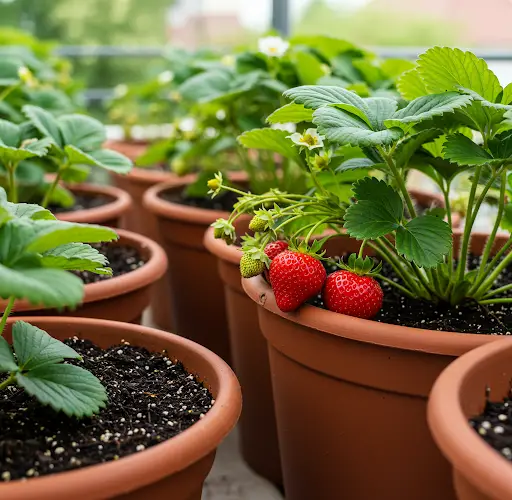
Strawberries are a beloved fruit in gardens, prized for their sweet taste and low-maintenance growth. One of the easiest and most cost-effective ways to expand your strawberry patch is by growing new plants from runners—the offshoots that strawberries send out during their growing season. Growing strawberries from runners allows you to multiply your plants quickly without the need to buy new ones. This method not only saves you money but also ensures that your plants are adapted to your garden’s specific growing conditions.
If you’re looking to grow more strawberries for your garden, here’s an easy step-by-step guide on how to propagate new plants from strawberry runners.
What Are Strawberry Runners?
Strawberry runners (also called stolons) are long, horizontal stems that grow out from the base of a strawberry plant. At the tips of these runners, small plantlets develop. These plantlets eventually form roots, making them capable of becoming independent strawberry plants. By encouraging these runners to root and grow, you can easily expand your strawberry patch.
When to Harvest Strawberry Runners
The best time to propagate strawberry runners is in the early to mid-summer, usually after the plants have produced their first round of fruit. Runners are most active during this period, and it’s when they have the best chance of successfully rooting. It’s important to note that some strawberry varieties (like June-bearing types) produce the most runners in the first year, while others (like everbearing or day-neutral varieties) may produce them throughout the growing season.
Step 1: Identify Healthy Runners
The first step is to identify healthy, robust runners. Look for runners that are thick and strong, not spindly or weak. Healthy runners will have a small plantlet at the end with visible leaves and roots beginning to form. These runners are the ones you want to propagate.
-
Choose runners that are not too old or too young—those that are in the middle of their growth cycle will root most successfully.
-
Runners that are too long may also be harder to manage, so aim to use those that are around 4–6 inches long.
Step 2: Prepare Containers and Soil
To propagate strawberry runners, you’ll need small containers or pots filled with well-draining potting mix. A mix designed for seedlings or vegetables is ideal. If you plan to grow multiple plants, consider using small plastic or biodegradable pots that you can later transplant into the garden.
Ensure that the containers have drainage holes to prevent water from accumulating, which could lead to root rot.
Step 3: Attach the Runner to the Soil
Once you’ve selected your healthy runners and prepared your containers, it’s time to place the runner in the soil. Here’s how to do it:
-
Place the runner on the surface of the soil in the container. Ensure the plantlet at the end of the runner is positioned so it touches the soil.
-
Bury the roots of the plantlet in the soil, making sure that the tiny roots make direct contact with the medium. This helps the plantlet root into the soil and start to establish itself.
-
Secure the runner: If the runner is long and doesn’t naturally stay in place, use small pieces of wire or a U-shaped pin to gently pin the runner into the soil, ensuring it makes good contact.
Step 4: Water and Maintain the Runners
Water the containers gently after planting the runners, ensuring the soil is moist but not soggy. Keep the soil consistently moist but well-drained to encourage strong root development.
Place the containers in a bright spot, but not in direct, harsh sunlight, as this could stress the newly forming plants. An area with indirect light or partial shade is ideal. Over the course of 1–2 weeks, the plantlet will start rooting. You’ll see small roots form in the soil, and new leaves will begin to develop.
Step 5: Transplant the New Strawberry Plants
After a few weeks, when the new plants have developed strong roots and are beginning to grow new leaves, it’s time to transplant them into larger containers or directly into your garden.
-
If you’re planting them in your garden, make sure the soil is loose and well-draining. Prepare the area by digging small holes, spacing each plant about 12–18 inches apart to allow room for growth.
-
For container gardening, ensure that the container is large enough to support the plant’s root system and has proper drainage.
Transplant the young strawberry plants carefully, making sure to maintain the depth they were growing at in their original containers.
Step 6: Care for Your New Plants
Once your new strawberry plants are in the ground or larger containers, water them thoroughly and provide regular care. Keep the plants moist, but ensure the soil doesn’t become waterlogged. Mulching around the base of the plants can help retain moisture, suppress weeds, and keep the roots cool.
Strawberries prefer full sun and will thrive best with at least 6–8 hours of sunlight per day. Fertilize the plants with a balanced fertilizer formulated for fruits and vegetables to encourage healthy growth and fruit production.
Tips for Success
-
Pin runners early: It’s best to pin runners down to the soil while they’re still young and before they get too leggy. This ensures a better chance of success for root development.
-
Thin out crowded runners: If multiple runners are coming from a single plant, consider thinning them to prevent overcrowding and ensure that each plantlet has enough room to grow.
-
Keep an eye on pests: Strawberry plants are susceptible to pests like aphids, slugs, and snails. Keep an eye on your plants and use organic pest control methods if necessary.
Growing new strawberry plants from runners is a simple and effective way to expand your strawberry patch without needing to buy new plants. By following these easy steps, you can enjoy a bountiful strawberry harvest year after year.


