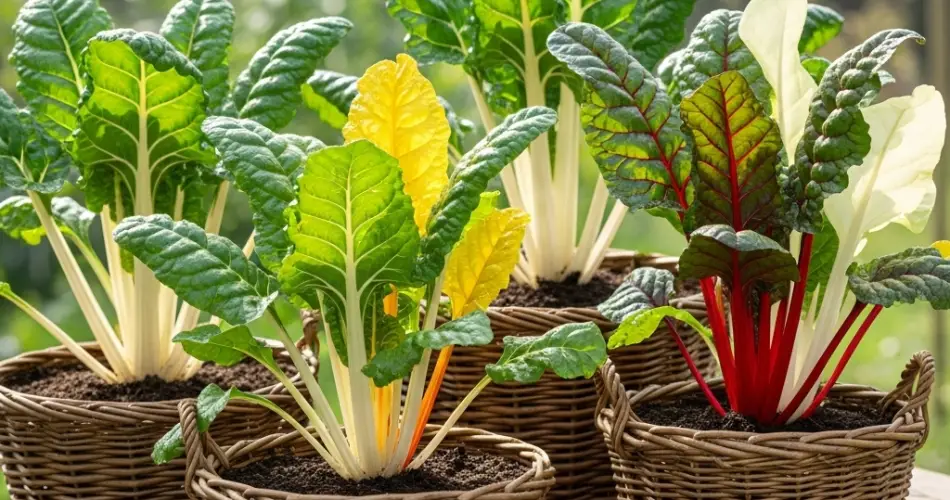
Swiss chard is a versatile leafy green that adds both nutrition and beauty to the home garden. With its vibrant stems in shades of red, yellow, orange, and white, it serves as both an edible crop and an ornamental plant. For gardeners with limited space, growing Swiss chard in small containers is a practical and rewarding option. Container gardening allows you to enjoy fresh harvests from balconies, patios, or even windowsills, without the need for a large garden bed.
This guide will walk you through the essentials of caring for Swiss chard in small containers, from choosing the right pot to harvesting healthy leaves throughout the season.
Why Swiss Chard Thrives in Containers
Swiss chard is especially well-suited to container gardening because of its adaptable nature. Unlike some crops that require deep soil or sprawling space, chard grows compactly while still producing generous yields. Here’s why it works so well in containers:
-
Compact root system: The roots don’t spread excessively, making small containers sufficient for growth.
-
Continuous harvests: You can pick outer leaves regularly while the plant continues to grow.
-
Visual appeal: The rainbow stems and glossy leaves brighten any balcony or patio.
-
Cool and warm tolerance: Chard grows well in both spring and fall and can handle a range of climates.
Choosing the Right Container
The first step in successful container gardening is selecting the right pot. Swiss chard doesn’t need deep soil, but it does appreciate room for its roots.
-
Size: A container at least 8–10 inches deep and 12 inches wide works well.
-
Material: Plastic pots retain moisture longer, while terracotta provides better airflow. Both can work as long as you adjust watering.
-
Drainage: Ensure your container has holes at the bottom. Without drainage, roots may rot from excess water.
If space is tight, smaller containers can hold a single plant, while a wide container can support several plants spaced evenly apart.
Preparing the Soil
Soil quality is a critical factor for container-grown vegetables. Swiss chard thrives in fertile, well-draining soil. A good mix includes:
-
2 parts high-quality potting mix
-
1 part compost for organic nutrients
-
1 part perlite or coarse sand for aeration and drainage
Before planting, enrich the soil with a slow-release organic fertilizer or worm castings. This helps maintain nutrient levels throughout the growing season.
Planting Swiss Chard
You can start Swiss chard from either seeds or seedlings.
-
Seeds: Sow seeds about ½ inch deep and 2–3 inches apart. Since chard seeds produce clusters of sprouts, thin seedlings to about 6–8 inches apart once they grow.
-
Seedlings: If you prefer quicker results, transplant young plants into your container, spacing them 6–8 inches apart.
If you want a colorful display, plant different varieties, such as “Bright Lights” or “Rainbow Mix.” These produce stems in multiple shades, turning your container into a living bouquet.
Light and Temperature Needs
Swiss chard grows best in cooler seasons but is adaptable.
-
Sunlight: Provide at least 4–6 hours of direct sun daily. In hot regions, some afternoon shade prevents the leaves from wilting.
-
Temperature: Ideal growing temperatures are between 50°F and 75°F (10–24°C). Chard can tolerate light frost, extending your growing season in cooler areas.
One advantage of container gardening is mobility—you can move pots to sunnier spots or protect them from excessive heat or cold.
Watering and Fertilizing
Because containers dry out faster than ground soil, consistent watering is key.
-
Watering: Keep the soil evenly moist but not soggy. Water when the top inch of soil feels dry. In hot weather, daily watering may be necessary.
-
Mulching: Add a layer of organic mulch such as straw or shredded leaves to retain moisture.
-
Fertilizing: Feed with a balanced liquid fertilizer every 3–4 weeks, or use compost tea to keep plants lush and productive.
Regular feeding ensures a steady supply of nutrients, which is especially important in the limited soil of small containers.
Ongoing Care
Swiss chard requires little maintenance once established, but a few simple practices keep plants productive and healthy:
-
Thinning: Remove crowded seedlings early to allow proper airflow and growth.
-
Pest management: Watch for leaf miners, aphids, or slugs. Pick pests by hand or spray with organic solutions like neem oil if needed.
-
Leaf care: Trim yellow or damaged leaves to encourage fresh growth.
By maintaining healthy plants, you’ll enjoy a longer harvest period.
Harvesting Swiss Chard
Swiss chard offers a “cut-and-come-again” harvest method that allows continuous production.
-
Early harvest: Begin picking baby leaves when they are 3–4 inches long for salads.
-
Mature harvest: For larger leaves, wait until they are 6–8 inches long. Harvest outer leaves first, leaving the center intact so the plant continues producing.
Regular harvesting not only supplies fresh greens for your kitchen but also stimulates new growth.
Extending the Harvest
Swiss chard is known for its resilience. In mild climates, it can produce nearly year-round. To ensure a continuous supply, plant new seeds in succession every 3–4 weeks. This staggered planting gives you young plants ready to replace older ones as they slow down.
Conclusion
Swiss chard is one of the easiest leafy greens to grow in small containers. With the right soil mix, regular watering, and consistent harvesting, you can enjoy vibrant leaves and colorful stems for months on end. Its combination of beauty and nutrition makes it a standout choice for balcony gardens, patios, or any small growing space.
Container-grown Swiss chard not only provides a steady supply of healthy greens but also transforms even the tiniest space into a thriving garden. Whether you’re an experienced gardener or a beginner, this resilient crop proves that small containers can deliver big harvests.


