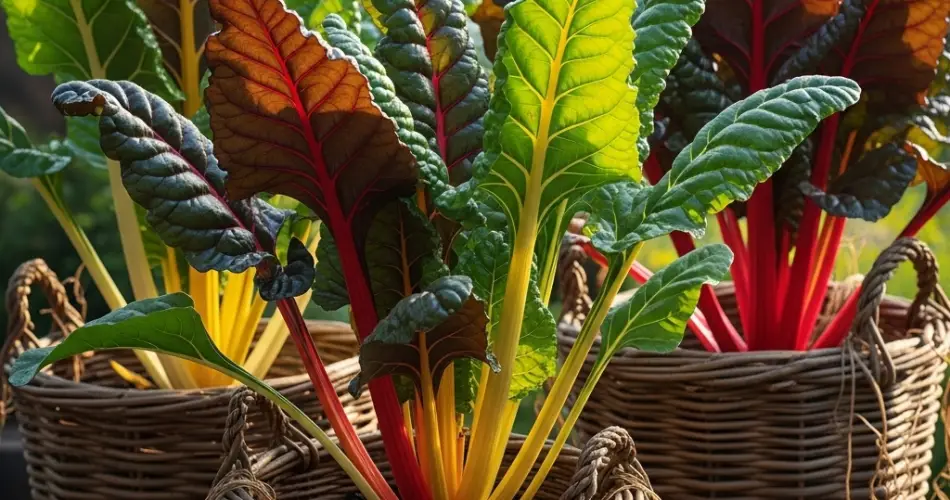
For those who enjoy gardening but live in apartments or homes with little outdoor space, basket gardening offers a practical and beautiful solution. Among the many leafy greens you can grow, Swiss chard is particularly well-suited for baskets. With its colorful stems and broad, glossy leaves, Swiss chard not only adds vibrancy to your balcony but also provides a continuous supply of nutritious greens for the kitchen.
Why Swiss Chard is Perfect for Basket Gardening
Swiss chard is part of the beet family, but unlike beets, it is grown for its leaves and stalks. This leafy green is highly adaptable and tolerant of different growing conditions, making it an ideal choice for small-scale urban gardening. Its shallow root system and ability to thrive in containers make baskets a perfect fit.
Some advantages of growing Swiss chard in baskets include:
-
Visual appeal: The rainbow-colored stems of varieties like ‘Bright Lights’ add decorative charm to any balcony.
-
Nutritional value: Rich in vitamins A, C, and K, as well as iron and magnesium, chard is a powerhouse vegetable.
-
Continuous harvests: You can pick leaves as needed, and the plant will keep producing for months.
-
Compact growth: Swiss chard doesn’t demand much space, making it perfect for baskets placed on balconies or windowsills.
Choosing the Right Basket
For best results, select a basket that is at least 12–14 inches deep and wide. This ensures there is enough room for root development and healthy leaf growth.
-
Material: Woven wicker baskets, lined fabric baskets, or sturdy plastic baskets all work well, as long as they can hold soil securely.
-
Drainage: Drainage holes are essential to prevent waterlogging, which can lead to root rot. If the basket doesn’t have holes, add some or line it with coarse gravel at the bottom.
-
Mobility: Baskets are light and easy to move. This is useful for adjusting to sunlight or bringing plants indoors during extreme weather.
Soil Preparation
Swiss chard thrives in fertile, well-draining soil. For a healthy and productive plant, prepare a soil mix with the following:
-
50% high-quality potting soil
-
30% compost or organic matter
-
20% perlite or coarse sand for aeration
This mix ensures the right balance of nutrients, moisture retention, and airflow around the roots. Swiss chard prefers slightly acidic to neutral soil (pH 6.0–7.0).
Planting Swiss Chard
You can grow Swiss chard either by sowing seeds directly into the basket or by transplanting seedlings.
-
Fill the basket with your prepared soil mix.
-
Sow seeds about ½ inch deep and 2 inches apart. If transplanting seedlings, plant them 6–8 inches apart.
-
Water gently but thoroughly after planting.
Swiss chard grows best in cool to mild weather, so planting in early spring or fall works well. However, in many regions, it can be grown nearly year-round with the right care.
Sunlight and Temperature
Swiss chard thrives in full sun but can also tolerate partial shade. On a balcony, aim to give it at least 5–6 hours of direct sunlight each day. In very hot climates, some afternoon shade will prevent leaves from wilting or becoming bitter.
The plant tolerates a wide range of temperatures, from cool early spring mornings to mild summer heat. It is frost-tolerant to some degree, meaning your harvest season can extend well into late fall.
Watering Needs
Baskets tend to dry out faster than garden beds, so regular watering is essential. Check the soil daily; if the top inch feels dry, it’s time to water. Swiss chard prefers consistently moist soil but not soggy conditions. Mulching with shredded leaves or straw can help retain moisture and keep roots cool.
Fertilizing Swiss Chard
Swiss chard is a leafy green that thrives on nitrogen. Adding a slow-release organic fertilizer at planting time provides a good start. Every few weeks, boost growth with liquid feedings such as compost tea or fish emulsion. This keeps leaves tender, vibrant, and flavorful.
Harvesting Your Basket Chard
One of the greatest benefits of Swiss chard is its cut-and-come-again harvest method. Begin picking leaves once they reach 6–8 inches in length. Always harvest the outer leaves first, leaving the central growth intact. This allows the plant to keep producing fresh leaves for weeks or even months.
You can harvest Swiss chard at different stages:
-
Baby leaves: Tender and mild, ideal for salads.
-
Mature leaves: Larger, with more robust flavor, perfect for cooking in stir-fries, soups, and sautés.
Regular harvesting not only provides food for the kitchen but also encourages the plant to produce new leaves.
Pest and Disease Management
Basket gardening naturally reduces some pest issues by elevating plants off the ground. However, Swiss chard can still be affected by:
-
Aphids: Wash off with a strong stream of water or use insecticidal soap.
-
Leaf miners: Remove damaged leaves promptly.
-
Slugs: Keep baskets off the ground to prevent easy access.
Good airflow, proper watering, and keeping the area tidy reduce most common problems.
Final Thoughts
Swiss chard is one of the most rewarding vegetables to grow in baskets on a balcony. It combines beauty and function, offering a bright display of colors and a steady supply of nutrient-rich greens. With the right soil, sunlight, and regular care, even the smallest balcony can provide an abundant harvest.
Basket gardening makes it possible to enjoy farm-to-table freshness without a large garden plot. Whether you’re cooking baby leaves in salads or sautéing mature greens, Swiss chard from your balcony will brighten both your meals and your gardening experience.


