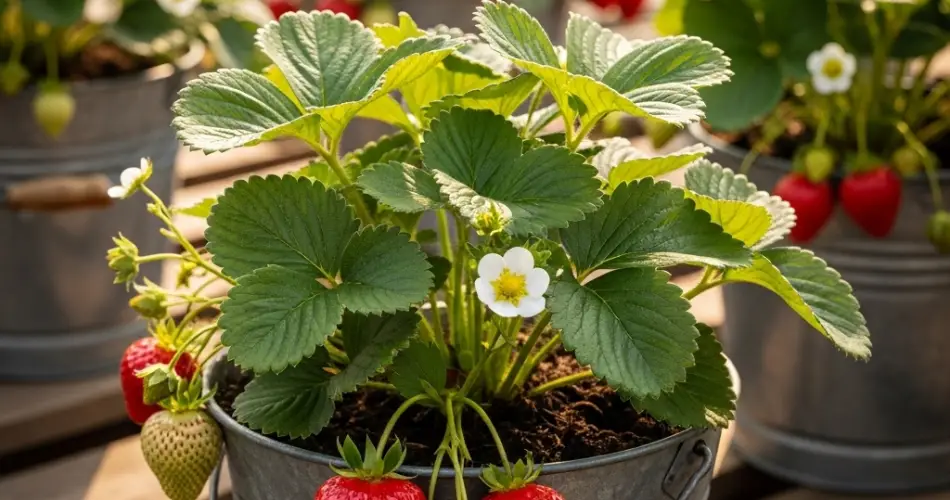
Strawberries are one of the most beloved fruits for home gardeners, thanks to their sweet flavor, vibrant color, and versatility in desserts, salads, and snacks. Growing strawberries in buckets is an excellent solution for gardeners with limited outdoor space. Container gardening allows for better control of soil, sunlight, and watering while keeping plants accessible and organized. With proper soil preparation, care, and maintenance, you can enjoy a steady supply of fresh, homegrown strawberries.
Why Grow Strawberries in Buckets?
Container gardening offers multiple advantages for strawberries:
-
Space efficiency – Buckets can be placed on balconies, patios, or small yards.
-
Soil control – You can provide nutrient-rich, well-draining soil that promotes healthy root growth.
-
Mobility – Buckets can be moved to maximize sunlight exposure or protect plants from harsh weather.
-
Pest and disease management – Growing strawberries in containers reduces exposure to soil-borne pests and diseases.
Using buckets ensures manageable plants that are easier to care for while producing high-quality, flavorful fruits.
Step 1: Selecting the Right Bucket
Choosing the proper container is essential for healthy strawberries:
-
Size – A 5-gallon (19-liter) bucket or larger is ideal. It provides enough soil volume for roots to grow and supports multiple plants.
-
Drainage – Drill several holes at the bottom to prevent waterlogging and root rot.
-
Material – Plastic, clay, or fabric buckets are suitable as long as they are sturdy and can hold soil and moisture.
A well-chosen bucket ensures proper root development and encourages strong, productive plants.
Step 2: Preparing Fertile Soil
Strawberries require nutrient-rich, well-draining soil:
-
Soil mix – Combine garden soil, compost, and perlite or coarse sand in equal parts to retain moisture while allowing proper drainage.
-
Soil pH – Aim for slightly acidic soil, ideally between 5.5 and 6.5.
-
Fertilization – Mix in a balanced, slow-release fertilizer to provide essential nutrients for strong growth and fruit production.
Proper soil preparation encourages healthy roots, vigorous foliage, and sweet, juicy berries.
Step 3: Planting Strawberry Seedlings
Correct planting ensures optimal growth and fruit production:
-
Plant spacing – Space strawberry seedlings about 6–8 inches (15–20 cm) apart in the bucket.
-
Plant depth – Position the crown just above the soil line to prevent rot.
-
Varieties – Choose everbearing or day-neutral varieties for continuous harvest throughout the season.
Following proper planting techniques promotes even growth and maximizes berry yield.
Step 4: Watering Strawberries
Consistent moisture is crucial for strawberries:
-
Initial watering – Water thoroughly after planting to settle the soil around the roots.
-
Ongoing care – Keep the soil evenly moist, especially during flowering and fruit formation. Avoid overwatering, which can cause root rot.
-
Watering method – Water at the base of the plants to keep leaves and fruit dry, reducing the risk of fungal diseases.
Balanced watering supports healthy roots, flowers, and juicy, flavorful fruits.
Step 5: Sunlight and Placement
Strawberries need adequate sunlight to produce sweet, ripe berries:
-
Light requirements – Place buckets in locations that receive 6–8 hours of direct sunlight daily.
-
Temperature – Strawberries grow best in moderate temperatures, ideally between 60–80°F (16–27°C). Protect young plants from frost or extreme heat.
Proper sunlight enhances berry sweetness, fruit size, and overall plant vigor.
Step 6: Fertilization and Maintenance
Regular care improves plant health and fruit production:
-
Feeding – Apply a balanced liquid fertilizer every 3–4 weeks during the growing season.
-
Pruning – Remove yellow or damaged leaves and runners if needed to focus energy on fruit development.
-
Pest control – Monitor for aphids, slugs, and birds, and address issues promptly.
-
Mulching – Add a layer of straw or coconut coir around the base of plants to retain moisture and protect fruits.
Consistent care ensures healthy plants and abundant, high-quality berries.
Step 7: Harvesting
Harvest strawberries at the right stage for maximum flavor:
-
Timing – Pick berries when they are fully red and firm, with no green tips.
-
Technique – Gently twist or snip berries from the stem to avoid damaging the plant.
-
Frequency – Harvest every few days during peak season to encourage continuous fruit production.
Proper harvesting guarantees sweet, ripe berries and keeps plants productive throughout the season.
Final Thoughts
Growing strawberries in buckets is a practical and rewarding method for producing fresh, flavorful fruit in limited spaces. By choosing the right container, preparing fertile soil, planting seedlings correctly, providing consistent water and sunlight, and maintaining proper care, gardeners can enjoy a continuous harvest of juicy strawberries.
Even on a balcony or patio, container-grown strawberries can thrive, offering fresh, homegrown fruit that enhances your meals and desserts while maximizing space efficiency.


