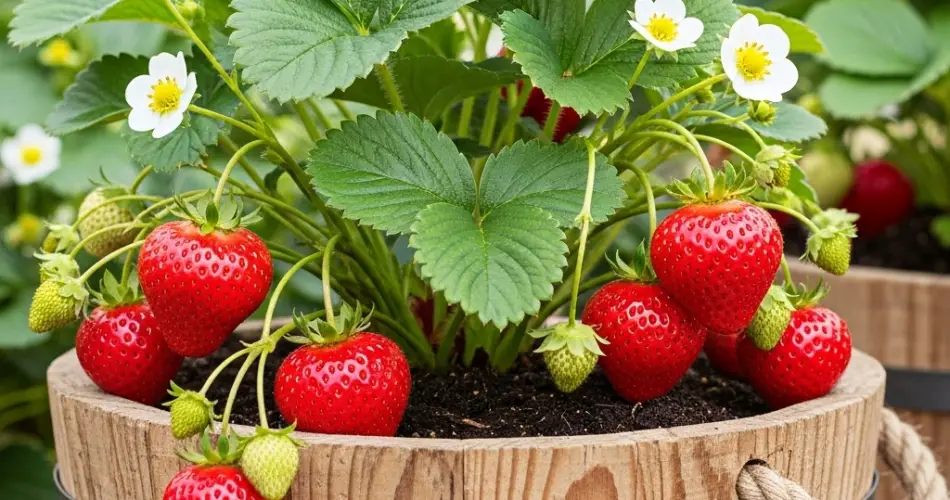
Strawberries are a favorite fruit for home gardeners due to their sweet flavor, vibrant color, and versatility in the kitchen. Container gardening makes strawberry cultivation accessible for urban spaces, patios, balconies, and even windowsills. To achieve healthy plants and a bountiful harvest, it is essential to focus on two key elements: soil quality and sunlight exposure. Proper attention to these factors ensures strong roots, abundant flowers, and juicy, flavorful fruit.
Choosing the Right Container
Successful container strawberries begin with selecting a suitable container. Strawberries have shallow root systems, so a pot with a depth of 6–8 inches is generally sufficient. Larger containers provide room for multiple plants and better soil moisture retention. Hanging baskets, window boxes, and wide planters are excellent choices for small-space gardening.
Drainage is critical. Containers must have holes at the bottom to prevent waterlogging, which can lead to root rot and reduced fruit production. Lightweight containers, such as plastic or fiberglass, are easy to reposition for optimal sunlight. Terracotta or ceramic pots retain moisture but may require more frequent watering in hot weather.
Preparing Soil for Strawberries
Soil quality is one of the most important factors in container strawberry success. Strawberries thrive in fertile, well-draining soil that allows roots to breathe while retaining adequate moisture. A high-quality potting mix enriched with compost or organic matter provides essential nutrients for strong plant growth.
Adding perlite, coarse sand, or vermiculite improves soil aeration and prevents compaction, supporting healthy root and fruit development. Strawberries prefer slightly acidic soil with a pH between 5.5 and 6.5, which encourages nutrient absorption and vibrant growth.
Fill the container to about an inch below the rim to leave room for watering and mulching. Mulching with straw, shredded leaves, or bark helps retain moisture, regulate soil temperature, and suppress weeds, creating optimal conditions for strawberry plants.
Selecting Strawberry Varieties
The choice of variety also influences growth in containers. Day-neutral strawberries, such as ‘Albion’ or ‘Seascape,’ produce fruit continuously throughout the season, making them ideal for container gardens. June-bearing varieties, like ‘Earliglow,’ produce a single, larger harvest and are suitable for larger pots. Selecting a variety suited to your space and climate ensures consistent yields.
Sunlight Requirements
Strawberries require ample sunlight to produce sweet, flavorful fruit. They thrive with 6–8 hours of direct sunlight per day. Position containers in a bright, sunny location such as a balcony, patio, or windowsill. If sunlight is limited, consider rotating containers to maximize exposure or using supplemental grow lights for indoor setups.
In hotter climates, partial afternoon shade may be necessary to prevent heat stress and sunburn on the leaves and fruit. Adequate sunlight encourages robust flowering, strong foliage, and higher fruit yields.
Planting and Care
Strawberries can be planted from seedlings or young plants purchased from a nursery. Place the crown—the point where leaves meet roots—just above the soil surface to avoid rot. Space plants 6–8 inches apart to allow room for runners and airflow between plants.
Water newly planted strawberries gently to settle the soil and encourage root establishment. Maintain consistent moisture throughout the growing season, keeping soil evenly damp but not waterlogged. Mulching helps preserve moisture, keeps roots cool, and minimizes weeds.
Fertilization and Maintenance
Container strawberries benefit from regular feeding. Apply a balanced, water-soluble fertilizer every 2–3 weeks or incorporate compost for natural nutrients. Avoid excessive nitrogen, which encourages leafy growth at the expense of fruit development.
Remove yellowing or damaged leaves to improve airflow and reduce disease risk. Runners can be trimmed or allowed to root in adjacent containers depending on whether you want to expand your strawberry patch.
Harvesting Strawberries
Strawberries are ready to harvest when the berries are fully red, firm, and fragrant. Pick them carefully by snipping the stem above the berry to avoid damaging the plant. Frequent harvesting encourages continuous fruit production and prevents overripe fruit from attracting pests or disease.
Benefits of Container Strawberry Gardening
Growing strawberries in containers offers several advantages for small-space gardeners. Containers allow control over soil quality, moisture, and sunlight while reducing exposure to pests and soil-borne diseases. With proper care, container-grown strawberries provide a steady supply of fresh, sweet fruit even in limited spaces.
By selecting a suitable container, preparing fertile and well-draining soil, providing ample sunlight, and following proper watering, fertilization, and harvesting practices, gardeners can enjoy a productive strawberry crop in containers. Container gardening transforms patios, balconies, and windowsills into productive fruit-growing spaces, ensuring fresh strawberries are always within reach.


