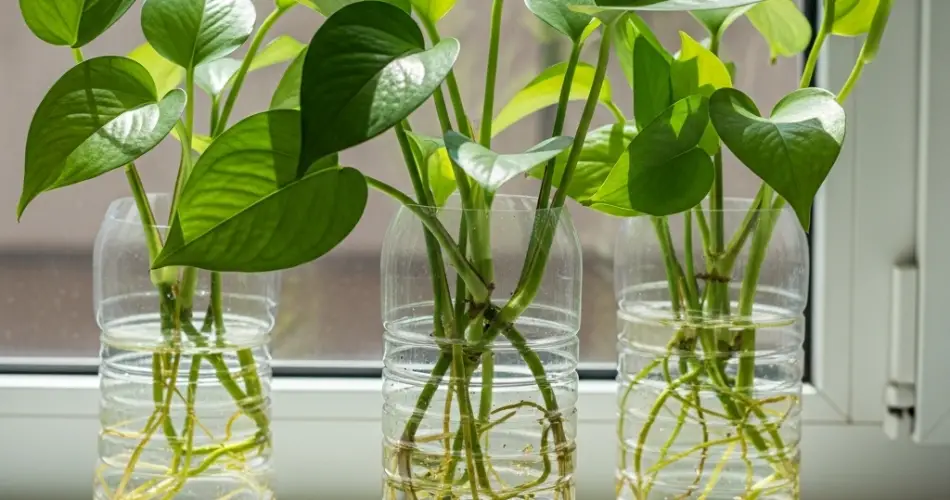
Pothos (Epipremnum aureum), also known as devil’s ivy, is one of the most forgiving and attractive indoor plants you can grow. With its trailing vines, heart-shaped leaves, and ability to thrive in a variety of conditions, it’s a favorite among beginner and seasoned plant lovers alike. Even better, you don’t need a traditional pot to grow it. Using a recycled plastic bottle, you can create a stylish and space-saving planter while reducing plastic waste.
Whether you’re growing pothos for a lush desk display, a green wall accent, or a hanging vine in the kitchen, bottle gardening offers a fun and accessible way to get started.
Why Grow Pothos in Plastic Bottles?
Plastic bottles are easy to come by, and with just a few modifications, they make excellent containers for small indoor plants. They’re lightweight, easy to customize, and allow for creative displays in tight spaces. Clear bottles also help you monitor water levels and root development—a great bonus for propagation or hydroponic growth.
Pothos is incredibly adaptable and thrives in water or soil, making it an ideal candidate for bottle gardening. It’s also a fast grower, so you’ll quickly see results even in modest containers.
Materials You’ll Need
-
A clean plastic bottle (1.5L or 2L works best)
-
Scissors or a sharp utility knife
-
Pothos cuttings or a small plant
-
Potting mix or clean water (depending on growing method)
-
Small pebbles or stones for drainage
-
Optional: Activated charcoal (for odor control if growing in water)
-
String, wire, or twine (for training or hanging)
-
Decorative materials (optional: paint, fabric, jute, etc.)
Two Growing Methods: Soil vs. Water
1. Soil-Based Bottle Gardening
This method mimics traditional planting and provides long-term growth for your pothos.
Steps:
-
Cut the plastic bottle about one-third from the top.
-
Poke several small holes in the bottom of the lower portion to allow for drainage.
-
Add a base layer of small stones or gravel.
-
Fill with well-draining potting mix. A mix containing peat moss, perlite, and compost works well.
-
Insert your pothos cutting or plant, making sure at least one node (the small bump where leaves and roots form) is buried in the soil.
-
Water lightly and place in bright, indirect light.
2. Water Propagation or Hydroponics
Pothos thrives in water, making it ideal for a hydroponic setup using a bottle.
Steps:
-
Use the top portion of the bottle and invert it into the bottom half to create a water reservoir, or use a full bottle with the top cut off.
-
Fill with clean, chlorine-free water.
-
Add a small pinch of activated charcoal to prevent algae and bacteria buildup.
-
Place pothos cuttings into the bottle, ensuring the nodes are submerged but leaves are above the waterline.
-
Replace water every 1–2 weeks and rinse the container as needed.
Training Your Pothos
Once your pothos is growing well, you can train it to climb, hang, or trail creatively around your space.
-
Trellis or Wall Hooks: Attach small hooks or nails to the wall and gently guide the vines in the direction you want them to grow.
-
String Support: Use twine or wire to create a hanging vine setup. Tie the string to a shelf, curtain rod, or ceiling hook and let the pothos wrap naturally around it.
-
Bottle Stand: Prop up your bottle planter with a decorative holder and let the vines trail downward over a desk, shelf, or counter.
You can even grow multiple pothos in individual bottles and place them side by side to create a living green curtain or privacy screen.
Care and Maintenance
-
Light: Pothos prefer bright, indirect light but tolerate low-light spaces. Too much direct sun can burn the leaves.
-
Watering: If growing in soil, water only when the top 1–2 inches feel dry. In water, replace the liquid regularly to keep it clean and oxygenated.
-
Feeding: Fertilize monthly during the growing season (spring and summer). Use a diluted liquid fertilizer for soil or water-based systems.
-
Pruning: Trim vines to encourage bushier growth or to control length. Cut just above a node to stimulate new shoots.
-
Cleaning: Wipe the leaves with a damp cloth occasionally to remove dust and enhance the plant’s appearance and health.
Decorating Your Bottle Garden
Your pothos bottle garden doesn’t have to look basic. With just a few decorative touches, you can turn plastic containers into modern plant displays:
-
Wrap the bottle in jute or burlap for a rustic touch.
-
Paint with acrylics to match your home’s color scheme.
-
Place the bottle inside a woven basket or metal stand.
-
Use colored stones, glass beads, or marbles to add texture inside clear bottles.
These simple enhancements help your upcycled planter blend beautifully with any decor style.
Final Thoughts
Pothos is one of the easiest and most rewarding plants to grow indoors—and pairing it with an upcycled bottle adds an eco-friendly edge to your gardening efforts. Whether you choose to root it in soil or water, the plant adapts beautifully and quickly becomes a lush, vibrant part of your indoor space.
By reusing everyday materials, you’re not only creating stylish green displays but also taking steps toward more sustainable living. With minimal effort and basic tools, bottle gardening with pothos can transform even the smallest corners of your home into thriving pockets of green.


