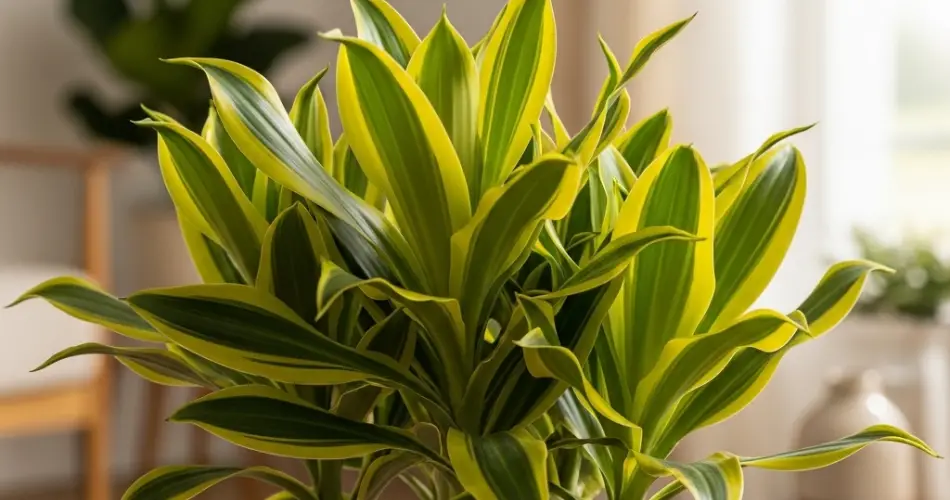
Dracaena plants are among the most popular houseplants, admired for their striking foliage, easy-going nature, and ability to adapt to indoor conditions. With long, sword-like leaves often striped in shades of green, cream, or red, they bring an elegant, tropical look to homes and offices. While dracaenas are not demanding, one of the most important aspects of their care is choosing the right sunlight spot. Light directly affects how vibrant their foliage remains and how well they grow over time.
This guide will help you understand the sunlight needs of dracaenas, how to recognize signs of improper lighting, and where best to place them in your home.
Natural Habitat and Light Preferences
Dracaena species are native to Africa, Asia, and parts of Central America, where they grow beneath taller trees in warm, tropical regions. In the wild, they thrive under filtered or indirect sunlight, receiving consistent brightness without the harsh intensity of full sun. This explains why they have become excellent indoor plants: they adapt well to typical household lighting conditions.
When grown indoors, dracaenas prefer bright, indirect light, though they can also tolerate medium or even lower light levels better than many houseplants.
How Much Light Does Dracaena Need?
Most dracaena varieties do best with 6–8 hours of bright, indirect sunlight each day. This level of light supports steady growth, keeps leaves vibrant, and prevents legginess.
Direct sunlight, especially strong afternoon rays, can be too harsh and may scorch their leaves, leaving brown or bleached patches. On the other hand, if light is too low, growth will slow, and leaf colors may become dull or faded.
Best Indoor Spots for Dracaena
Choosing the right spot is essential for maintaining a healthy dracaena. Some of the best options include:
-
Near east-facing windows: Gentle morning light provides the brightness dracaenas enjoy without being too strong.
-
A few feet from south- or west-facing windows: These windows receive stronger sun, so keeping the plant slightly back or filtering the light with sheer curtains works best.
-
North-facing windows: While light here is softer, dracaenas can adapt well as long as the room isn’t too dim.
If your home doesn’t have much natural sunlight, dracaenas can also adapt to artificial lighting, making them ideal for offices or darker rooms.
Can Dracaena Grow in Low Light?
Yes, dracaenas are known for their ability to survive in low-light conditions. However, while they can adapt to dimmer spaces, growth will be slower, and the plant may not look as vibrant as one grown in brighter conditions. Varieties with colorful or striped leaves often lose their markings in very low light, turning a more solid green.
If you want your dracaena to stay full and brightly colored, medium to bright, indirect light is best.
Using Artificial Light for Dracaena
If natural sunlight is limited, artificial grow lights are a reliable solution. LED or fluorescent grow lights provide the right spectrum for photosynthesis and help keep dracaenas healthy year-round.
Place the light about 12–18 inches above the plant and keep it on for around 10–12 hours a day. This is especially helpful during winter months when daylight is shorter and natural light levels are lower.
Signs of Improper Lighting
Dracaenas communicate their lighting needs through changes in their leaves and growth patterns. Some signs to watch for include:
-
Too much light: Brown, dry, or scorched patches on leaves.
-
Too little light: Slow growth, thin stems, or loss of leaf color and variegation.
-
Ideal light: Vibrant foliage, compact growth, and steady new leaves appearing.
By paying attention to these signs, you can adjust your plant’s placement before it suffers long-term damage.
Seasonal Adjustments
Light conditions naturally shift with the seasons. In summer, strong sunlight from south- or west-facing windows may be too harsh, so consider moving your dracaena a bit farther away or filtering the rays. In winter, when light is weaker, moving the plant closer to a window or supplementing with a grow light will help maintain its health.
Regular adjustments ensure that your dracaena continues to thrive year-round, regardless of seasonal changes.
Extra Tips for Light and Care
To make the most of your dracaena’s lighting setup, combine it with other simple care practices:
-
Rotate the plant: Turning the pot every few weeks ensures even exposure and prevents leaning.
-
Clean the leaves: Dust can block light absorption, so gently wipe leaves with a damp cloth.
-
Match watering to light exposure: Plants in brighter spots dry out faster, while those in lower light need less frequent watering. Always check the soil before watering.
-
Prune as needed: Remove yellowing or damaged leaves and trim leggy stems to encourage fresh growth.
Conclusion
Dracaenas are versatile, low-maintenance plants that adapt well to a range of lighting conditions, making them ideal for both beginners and seasoned plant enthusiasts. While they tolerate low light, they truly thrive in bright, indirect light, which keeps their foliage vibrant and growth steady. Avoid harsh direct sunlight, monitor for signs of stress, and make seasonal adjustments to their placement. With the right balance of light and care, your dracaena will remain a striking, healthy addition to your indoor space for years to come.


