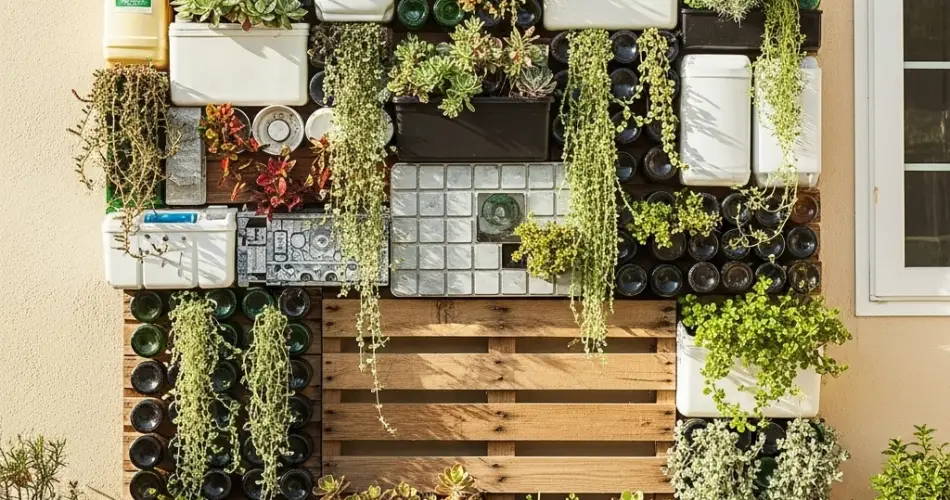
Creating a wall garden using recycled materials is a fantastic way to grow plants in small spaces while embracing eco-friendly practices. Whether you’re short on ground space or simply want to add a splash of green to a dull wall, vertical gardening is the perfect solution. By using items that would otherwise end up in the trash, you can build a beautiful, budget-friendly garden that benefits both your home and the planet.
In this guide, you’ll learn how to design and build your own wall garden using commonly found recycled materials like plastic bottles, wooden pallets, tin cans, and old fabric.
Benefits of a Wall Garden
Wall gardens—also known as vertical gardens or living walls—are becoming increasingly popular in urban gardening. Here’s why:
-
Space-saving: Ideal for balconies, patios, and small yards.
-
Eco-friendly: Uses recycled materials and promotes sustainable living.
-
Aesthetic value: Enhances bare walls with greenery and color.
-
Air purification: Plants improve air quality by filtering pollutants.
-
Temperature regulation: Green walls help cool indoor and outdoor spaces.
Step-by-Step Guide to Building a Wall Garden with Recycled Materials
Step 1: Choose Your Wall Space
Start by identifying a suitable wall that receives enough sunlight for the plants you want to grow. South-facing walls typically get the most sun. Make sure the wall is sturdy and can support the weight of the garden structure and plants.
Step 2: Gather Recycled Materials
You can repurpose many everyday items for your wall garden:
-
Plastic bottles: Cut them horizontally to create planters.
-
Wooden pallets: Great for creating tiered plant shelves.
-
Tin cans: Clean and drill holes for drainage and mounting.
-
Old shoe organizers or fabric pockets: Perfect for lightweight herb gardens.
-
Wire racks or old drawers: Can be mounted and filled with soil.
-
Used gutters: Ideal for shallow-rooted plants like lettuce or strawberries.
Clean all materials thoroughly before using to avoid introducing contaminants to your plants.
Step 3: Prepare the Planters
Modify your recycled containers for planting:
-
Plastic Bottles: Cut out a large opening on one side and poke small holes at the bottom for drainage. You can hang them horizontally or vertically using strings or wire.
-
Tin Cans: Drill drainage holes in the bottom. Paint or decorate them if desired.
-
Fabric Pockets: Make sure they’re breathable and can hold soil without tearing. Add a waterproof backing if mounting indoors.
Step 4: Attach the Planters to the Wall
Depending on your chosen material, use screws, hooks, brackets, or strong twine to secure your planters. Make sure everything is well-anchored to prevent tipping or falling, especially when watered.
If mounting directly to a wall isn’t an option, consider attaching your recycled containers to a wooden pallet or frame first, which can then be leaned or mounted safely.
Step 5: Add Soil and Plants
Use a lightweight potting mix suitable for container gardening. Avoid using heavy garden soil, which may not drain well and could weigh down your structure.
Select plants based on the amount of sunlight your wall receives:
-
Sunny Walls: Herbs (basil, thyme, oregano), cherry tomatoes, strawberries, petunias, succulents.
-
Shady Walls: Ferns, lettuce, spinach, mint, impatiens.
Fill each container with soil, gently plant your chosen greenery, and water thoroughly.
Maintenance Tips
-
Watering: Vertical gardens tend to dry out quickly. Use a watering can with a long spout or install a drip irrigation system for easier care.
-
Fertilizing: Feed plants with a diluted liquid fertilizer every few weeks to maintain healthy growth.
-
Pruning: Regularly trim and remove dead leaves or spent flowers to keep the wall looking neat.
-
Replanting: Refresh soil and rotate plants seasonally to keep the display vibrant and productive.
Design Ideas for Inspiration
-
Bottle Wall: Mount rows of plastic bottles in a grid pattern for a modern look.
-
Pallet Garden: Fill the gaps in an upright wooden pallet with herbs or succulents.
-
Can Rack: Attach painted tin cans to a piece of reclaimed wood for a colorful, rustic design.
-
Hanging Pocket Garden: Use a cloth shoe organizer to grow small leafy greens or flowers on a balcony railing or fence.
Eco-Friendly Advantages
By reusing materials, you’re helping to reduce landfill waste and giving a second life to items that would otherwise be discarded. Plus, growing your own herbs and veggies reduces the need for store-bought produce packaged in plastic, lowering your environmental footprint even more.
Final Thoughts
A DIY wall garden made from recycled materials is a creative, affordable, and sustainable way to bring more greenery into your life. Whether you’re a city dweller with a small balcony or a homeowner looking to add vertical interest to your backyard, this project combines functionality with environmental consciousness. With just a few basic tools, a bit of imagination, and a love for plants, you can transform waste into a flourishing wall of life.


