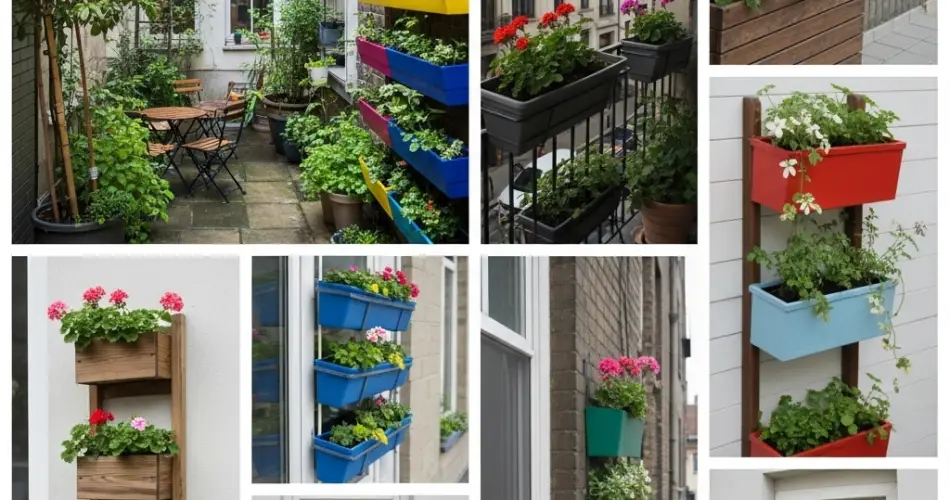
Not everyone has the luxury of a sprawling backyard, but that doesn’t mean you can’t enjoy the beauty and productivity of a garden. Compact gardening—also known as small-space or urban gardening—is all about creatively using limited space to grow plants, whether it’s herbs, flowers, vegetables, or even fruit. With a little planning and the right techniques, you can transform a small balcony, patio, windowsill, or corner of your yard into a lush, thriving garden.
Here’s how to make the most of every inch of your gardening space.
Start with a Plan
Before you plant anything, take stock of your space. Whether you have a balcony, rooftop, courtyard, or sunny windowsill, assess the following:
-
Sunlight exposure: How many hours of sun does the space get daily?
-
Wind and shade: Are there protective structures or areas that receive shade most of the day?
-
Access to water: Is there a nearby water source for easy irrigation?
-
Weight limits: For balconies and rooftops, make sure the structure can support the weight of pots, soil, and water.
Once you know your conditions, you can choose plants and layouts that fit your environment.
Choose the Right Containers
In compact gardening, containers are your best friend. They allow flexibility and make the most of limited surfaces.
-
Use a variety of pot sizes and shapes: Round, square, or vertical planters can all be mixed to fit different plants and corners.
-
Self-watering containers are especially helpful for busy gardeners and reduce the risk of over- or under-watering.
-
Window boxes, hanging baskets, and rail planters are great for maximizing vertical and edge spaces.
-
Choose lightweight materials like plastic or resin for rooftop or balcony gardens to reduce structural strain.
Go Vertical
When horizontal space is tight, look up. Vertical gardening is an efficient way to grow more in less space:
-
Install wall planters or vertical shelves for herbs, leafy greens, or trailing plants.
-
Use trellises, ladders, or garden nets to train climbing vegetables like peas, beans, cucumbers, or even compact tomato varieties.
-
Hanging pots and baskets work well for strawberries, petunias, or trailing herbs like oregano and thyme.
Vertical gardening not only saves space but adds visual interest and layers to your garden design.
Grow Smart with Plant Selection
Some plants are better suited for compact spaces than others. Focus on varieties that are naturally small, fast-growing, or container-friendly.
Best choices include:
-
Leafy greens: Lettuce, spinach, arugula, and kale grow quickly and can be harvested often.
-
Herbs: Basil, mint, parsley, chives, and cilantro thrive in containers and don’t need much room.
-
Dwarf vegetables and fruits: Try patio tomatoes, baby eggplants, bush beans, or dwarf citrus trees.
-
Succulents and cacti: Great for sunny spots with low maintenance needs.
You can also use succession planting—replacing harvested crops with new seedlings—to make the most of growing seasons.
Use Raised Beds and Garden Tables
If you have a small yard or patio, raised garden beds or table planters can offer depth and efficiency:
-
Raised beds allow you to control soil quality and drainage better than traditional ground planting.
-
Garden tables or waist-high planters are ideal for those with limited mobility or who prefer not to bend down.
Keep the beds narrow enough to reach the center from both sides—no wasted space.
Add Mobility
In a compact garden, flexibility is key. Use wheeled plant stands or rolling carts to move plants around as light conditions change or to protect them from bad weather.
You can also rotate plants seasonally to give each crop the conditions it needs without redesigning your garden every time.
Make It Beautiful and Functional
Even small gardens can be both productive and beautiful. Add decorative touches that serve a purpose:
-
Colorful containers brighten up the area and reflect light.
-
Mirrors placed strategically on walls can make the space feel larger and reflect sunlight.
-
Herbs and flowers mixed together attract pollinators and offer visual appeal.
-
Edible ornamentals like rainbow chard, purple basil, and nasturtiums add beauty while being functional.
Keep the space tidy with hooks, shelves, or compact storage for tools and supplies.
Final Tips
-
Water more frequently in container gardens—soil dries out faster.
-
Feed your plants with liquid or slow-release fertilizer to keep them healthy in tight quarters.
-
Mulch containers to retain moisture and reduce weeds.
-
Keep an eye out for pests, especially in dense planting setups.
Conclusion
You don’t need a large yard to enjoy the benefits of gardening. With smart planning, the right containers, and a touch of creativity, you can turn even the smallest spaces into productive green oases. Whether you’re growing herbs on a windowsill or vegetables on a balcony, compact gardening proves that great things really do come in small packages.


