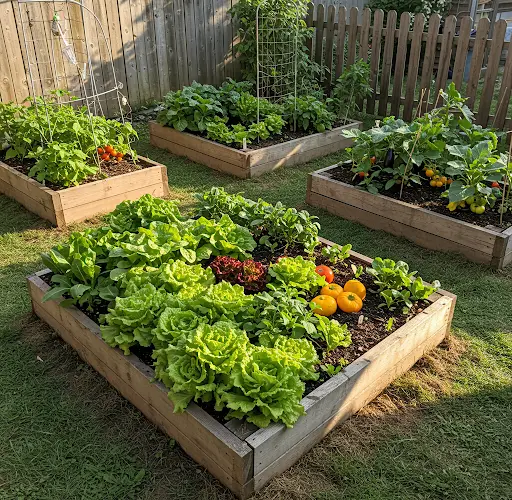
In-Path Composting: A Space-Saving Solution for Small Gardens
For gardeners working with limited space, finding room for a traditional compost bin can be a challenge. However, there’s a clever and efficient alternative that requires no additional space—using the paths between your garden beds as composting zones. This method, known as in-situ composting, allows you to recycle garden waste directly where it lies, turning otherwise unused pathways into productive, nutrient-rich zones.
What is In-Situ Composting?
In-situ composting means composting “in place.” Instead of transporting garden waste to a separate bin, you spread it directly on the ground where it will decompose over time. In this case, the ideal location is the walking paths between your garden beds. These paths, which are often bare or covered in materials like wood chips, provide the perfect setting for natural decomposition to take place without interfering with plant growth.
How the Process Works
The method is simple and low-maintenance. As you garden, collect organic waste such as weeds, pruned trimmings, spent crops, and other plant debris. Instead of tossing these materials away or piling them into a compost bin, spread them evenly along your garden paths. Over time, rain, sunlight, soil microbes, and other natural elements will begin breaking down the material.
This decomposition process turns your garden waste into rich, dark compost that is full of nutrients beneficial to soil health and plant growth. No turning, no special equipment, and no extra space required—just let nature do the work.
Why Use Garden Paths?
Using garden paths for composting offers several advantages:
-
Space-saving: The method takes up no additional room, making it perfect for small gardens, urban growing areas, or balcony setups.
-
Low effort: You’re already moving through your garden as part of your daily or weekly routine. Adding plant waste to the paths adds virtually no extra labor.
-
Natural weed suppression: A layer of decomposing organic matter covers the soil, reducing light penetration and making it harder for weeds to establish.
-
Moisture retention: The plant layer helps the soil beneath stay cool and moist—especially helpful during dry seasons.
-
Soil enrichment: Once the material is fully broken down, it becomes high-quality compost. Simply skim it off the path and spread it onto your beds to enhance soil fertility.
Step-by-Step Guide to In-Path Composting
-
Collect Plant Waste
Gather weeds, vegetable scraps, prunings, and any other plant-based garden waste. Avoid using materials that are heavily diseased or contain persistent seeds unless you’re confident they won’t spread. -
Spread Along Paths
Distribute the collected materials evenly over the paths between your garden beds. If your paths are mulched with wood chips or leaves, you can mix the waste into this layer or simply add it on top. -
Let Nature Work
Allow the material to break down over time. Rain will keep it moist, and the microbial and insect activity in the soil will do the heavy lifting of decomposition. -
Harvest the Compost
After a few weeks or months, the plant matter will have broken down into a rich, crumbly compost. You can gently rake or shovel it off the path and use it in your garden beds. -
Repeat as Needed
This method can be repeated throughout the growing season. Just keep adding material as you go, and periodically harvest the finished compost when it’s ready.
Tips for Better Results
-
Chop materials first: Smaller pieces break down faster, so chop up large stems or thick roots before adding them to your paths.
-
Avoid weed seeds and invasive roots: To prevent future weed problems, avoid placing seed-heavy or aggressive spreading weeds on your paths unless you’re confident your composting will neutralize them.
-
Use dry weather to your advantage: If possible, add plant materials when the weather is dry to prevent fresh weeds from rooting before they begin to decompose.
A Sustainable Gardening Practice
In-situ composting is not only a space-saving technique but also a sustainable gardening practice. It reduces the need for external inputs like store-bought compost, minimizes waste, and supports the natural cycles of your garden. Additionally, it encourages biodiversity by creating microhabitats for beneficial insects and microbes.
This method turns a common challenge—a lack of composting space—into an opportunity to enhance your garden’s productivity. By transforming your garden paths into zones of nutrient cycling, you’re improving your soil’s health, boosting plant growth, and simplifying your gardening routine.
Whether you’re managing a tight urban space or just looking for a more efficient way to handle garden waste, in-path composting offers a practical, eco-friendly solution. It’s composting made easy—with the added bonus of weed suppression, moisture retention, and healthier plants.


